






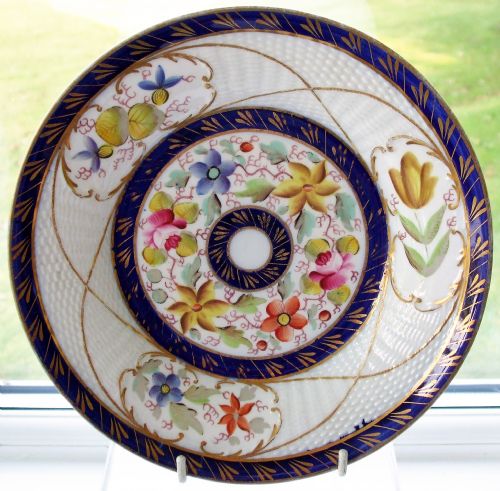
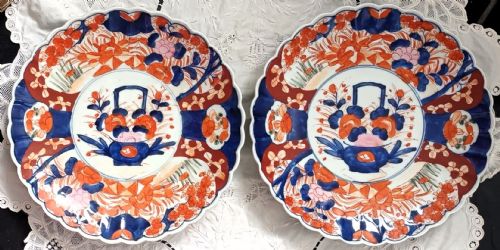
Decorative Floral Porcelain Plate
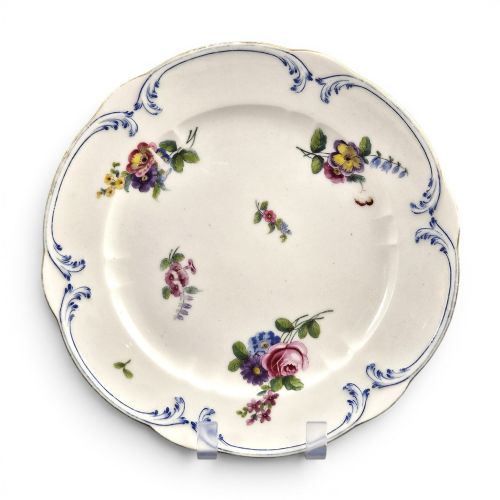
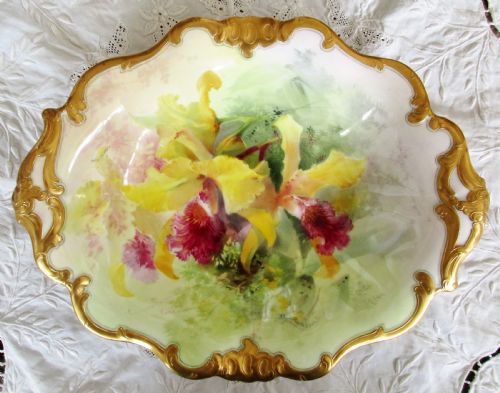
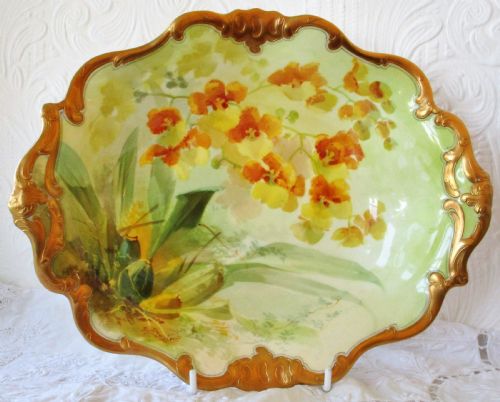
These decorative floral porcelain plate selections offer hand-painted floral motifs across centuries of ceramic artistry.
Decorative Floral Porcelain Plate
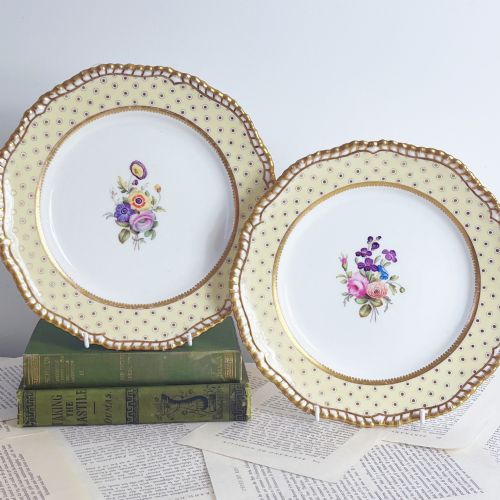
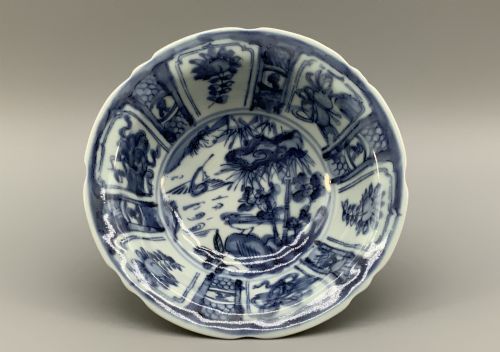
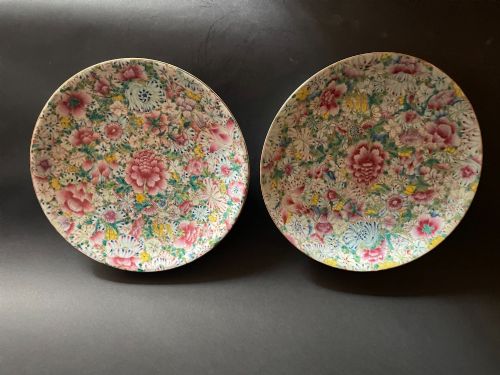
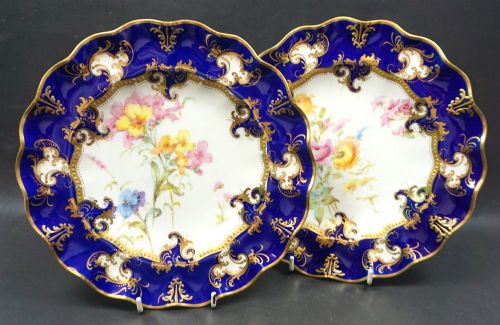
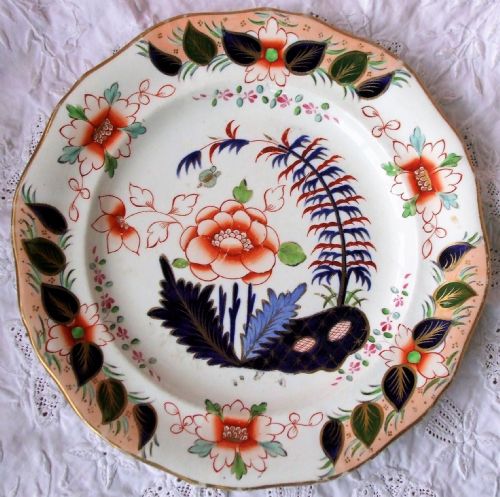
A decorative floral porcelain plate brings centuries of ceramic artistry into domestic spaces through painted botanical and floral compositions. When searching for a decorative floral porcelain plate, buyers encounter pieces ranging from eighteenth-century European soft-paste productions to nineteenth-century English factory wares and Japanese Imari chargers.
The selection on this page leans heavily towards nineteenth-century Japanese Imari plates alongside English cabinet plates and continental ceramics. These items function primarily as display pieces, cabinet ornaments or dessert service components intended for visual appreciation rather than heavy daily use.
How they were made
Potters shaped ceramic bodies from porcelain, ironstone or soft-paste clay, frequently incorporating moulded elements such as scalloped edges, basketweave textures or lobed contours. Artisans applied cobalt underglaze, enamel pigments and gold leaf to decorate the surfaces.
Firing techniques fixed the glaze and fixed the hand-painted floral designs, bird motifs and armorial crests onto the ceramic body. Many Japanese and European pieces utilised gilding and cobalt pigments to accentuate floral details.
Peacocks strut among wisteria and peonies on large Meiji chargers, bringing noisy garden birds permanently indoors.
What varies in quality
Quality separates through the precision of the hand-painted brushwork, the depth of the enamel colours and the crispness of the moulded ceramic form. Pieces executed by named factory artists or established potteries display superior technical control in pigment application and gilding.
The ambition of the design dictates distinction, moving from standard production wares to large chargers and cabinet dishes featuring complex floral, avian or armorial compositions.
Spode·Royal Crown Derby·Royal Doulton·John Davenport of Longport·Minton·Copeland
The Decorative Floral Porcelain Plate Glossary
- Cabinet plate
- A decorative plate intended for display in a cabinet or on a wall rather than for dining use. These items typically exhibit finer painted decoration and gilding.
- Imari
- A style of Japanese porcelain exported from Arita, traditionally characterised by a palette of cobalt blue, iron red, and gold. Floral and bird motifs frequently dominate the decoration.
- Soft-paste
- A type of porcelain made from a mixture of clay and glass frit, fired at lower temperatures than hard-paste. Eighteenth-century European factories frequently utilised this composition.
- Armorial
- A ceramic design incorporating a family crest, coat of arms or heraldic symbols. These plates were often commissioned by prominent families.
- Gilding
- The application of gold leaf or gold paint to ceramic surfaces to highlight rims, borders and floral details. Skilled application remains bright and even.
Decorative Floral Porcelain Plate: Frequently Asked Questions
How do I display a cabinet plate?
Cabinet plates suit wall mounting with specialised plate hangers or placement in glass-fronted display cabinets where light reaches the painted surfaces.
Keep them away from direct sunlight to preserve the enamel colours and gold leaf over time.
Can I use these plates for food?
Most antique decorative plates serve as display items rather than functional tableware due to their age and delicate painted surfaces.
Historic glazes and gold leaf can wear down with regular washing and dining use.
What is Japanese Imari?
Japanese Imari refers to porcelain produced in Arita and exported through the port of Imari, featuring distinctive blue, red and gilt floral patterns.
These pieces gained immense popularity in Europe during the eighteenth and nineteenth centuries.
How do I date an antique porcelain plate?
Dating relies on factory backstamps, ceramic paste composition, painting style and known operational periods of the potteries.
Stylistic cues such as Regency moulding or Meiji period motifs provide further chronological markers.