





Oriental Floral Ceramic Plate
An oriental floral ceramic plate brings bold colour and intricate historical motifs directly to your walls and tables.
Oriental Floral Ceramic Plate
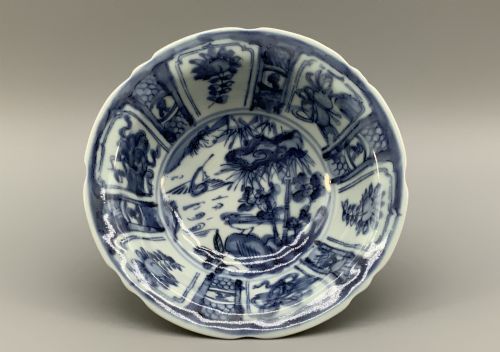
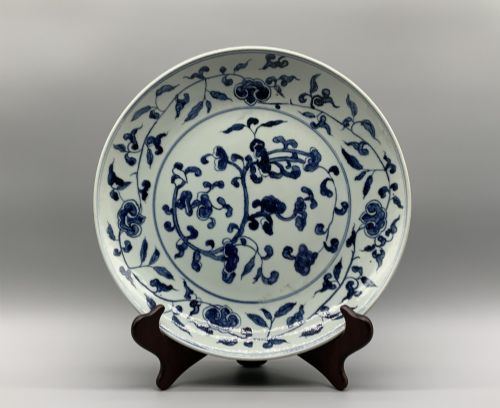
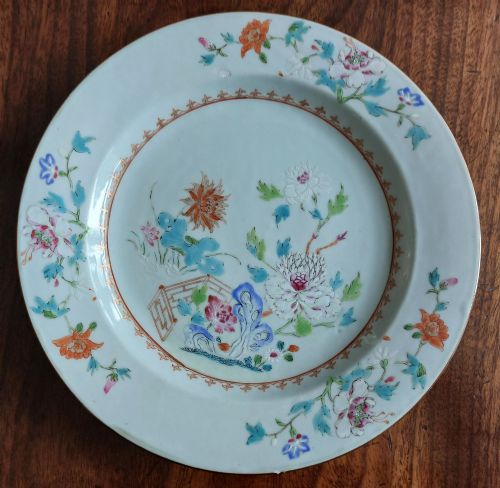
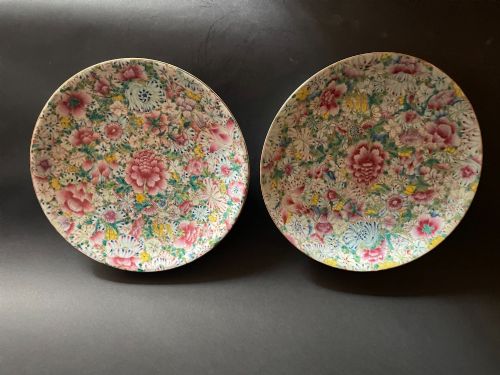
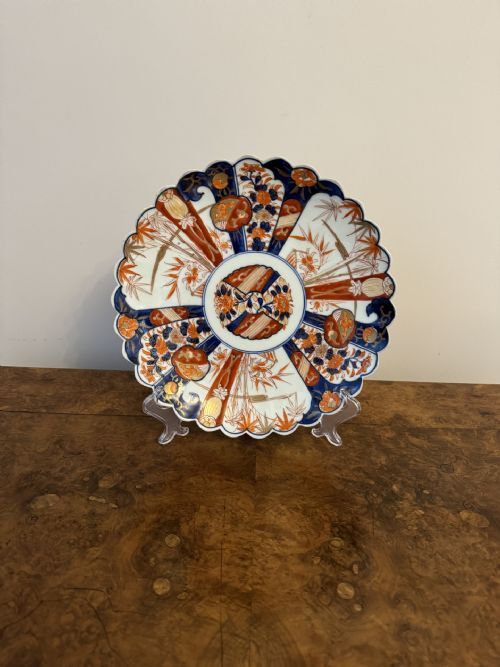
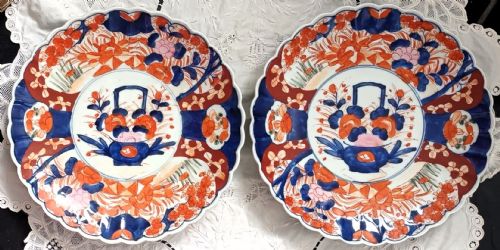
An oriental floral ceramic plate encompasses decorative chargers, dishes, and serving platters originating from traditional Asian kilns and later western iterations. Buyers searching for an oriental floral ceramic plate typically encounter Japanese Imari wares from the Meiji and Edo periods, alongside Chinese export porcelain from the Kangxi and Qianlong eras.
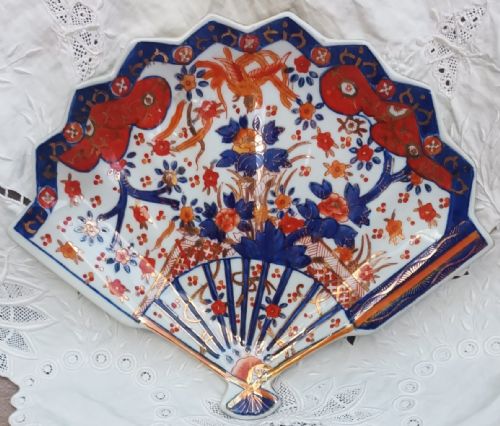
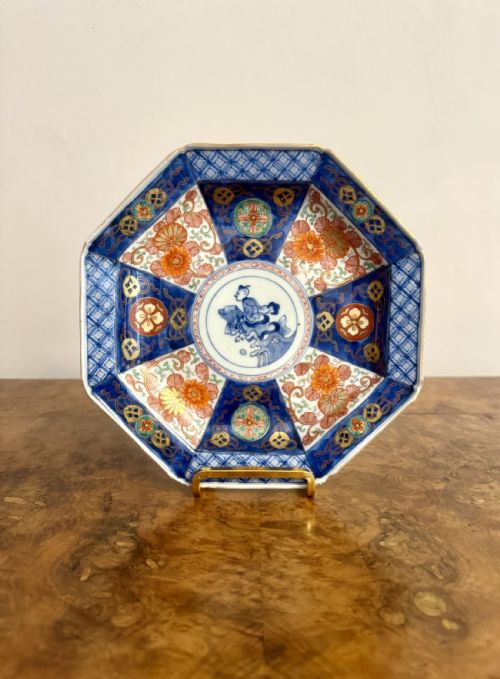
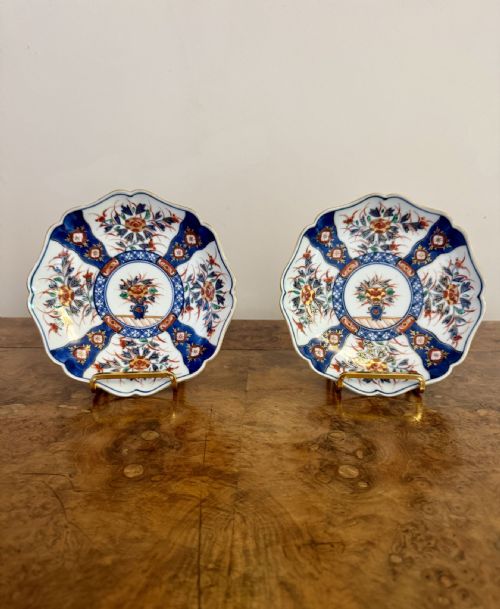
The selection ranges from large scalloped chargers to hexagonal display plates and lobed bowls. These pieces integrate botanical and avian motifs, often combining cobalt blue underglaze with enamel and gilt detailing.
How they were made
Potters utilised high-fired porcelain and ceramic bodies finished with durable glazes and cobalt underglaze pigments. Artisans applied enamel paints and gold leaf over the glaze, firing the pieces multiple times to set the metallic and polychrome layers.
Hand-painting techniques ensured that every dish, charger, and platter received individual brushwork, resulting in varied floral, bird, and geometric compositions across Japanese Arita and Chinese export wares.
The listings span multiple centuries, incorporating 18th Century Kangxi and Qianlong pieces alongside 19th Century Japanese Meiji Imari chargers.
What varies in quality
The refinement of the hand-painted brushwork dictates visual depth, separating standard decorative items from superior examples. Crisp execution in the cobalt blue underglaze and precise application of enamel and gold leaf indicate higher workshop standards.
Structural forms also influence desirability, with symmetrical scalloped edges, hexagonal mouldings, and large chargers demonstrating advanced ceramic shaping skills from periods like the Kangxi and Meiji eras.
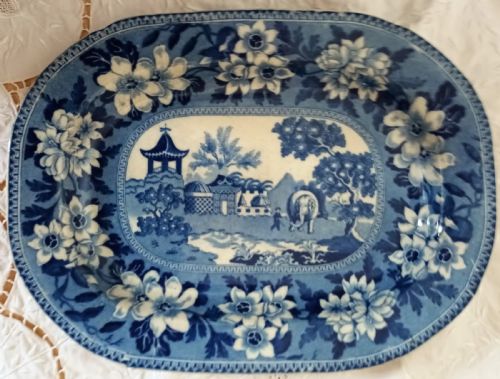
John Rogers and Son
The Oriental Floral Ceramic Plate Glossary
- Imari
- A style of Japanese porcelain featuring a palette of cobalt blue, iron red, and gold, named after the port from which the wares were shipped. These designs frequently incorporate dense floral and avian patterns.
- Charger
- A large decorative plate traditionally used for ceremonial display or grand service rather than everyday dining. They measure significantly wider than standard dinner plates.
- Underglaze
- A method of decorating pottery beneath a translucent ceramic glaze using pigments that withstand high firing temperatures. Cobalt blue is the most common mineral used for this technique.
- Moriage
- A Japanese ceramic technique using raised slip decoration to create textured, three-dimensional surface patterns. This method often highlights foliage, feathers, and floral elements.
- Export porcelain
- Ceramics manufactured specifically for overseas markets in Europe and the Americas. These items adapt traditional domestic forms and motifs to suit foreign tastes.
Oriental Floral Ceramic Plate: Frequently Asked Questions
How were oriental floral ceramic plates used?
These pieces served both practical dining functions and decorative display in wealthy households. Large chargers and platters were often mounted on walls or set on sideboards to showcase the owner's status and appreciation for Asian craftsmanship.
Smaller dishes functioned as serving vessels or sweetmeat plates during formal meals. Over time, their robust glaze and vibrant colours made them permanent fixtures for interior decoration.
How do I identify a Kangxi period plate?
Kangxi period porcelain dates from the late seventeenth and early eighteenth centuries, distinguished by deep cobalt blue underglaze tones and fine-grained white porcelain bodies. The brushwork on these items is typically precise and botanical motifs appear with great clarity.
Examining the base often reveals characteristic foot rims and occasionally cobalt marks or empty concentric rings. These pieces reflect the high technical standards of Qing dynasty kilns.
What is the difference between Imari and Satsuma wares?
Imari ceramics rely on a hard porcelain body decorated with a distinct palette of cobalt blue, iron red, and gold leaf. The designs are glossy, colourful, and frequently feature geometric and floral arrangements.
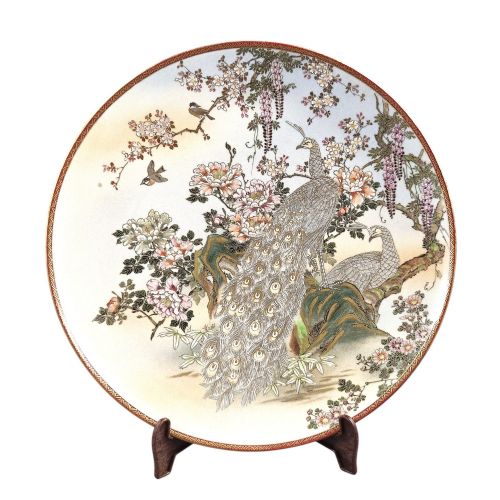
Satsuma wares utilise an earthenware body covered with a crackled ivory glaze, embellished with polychrome enamels and raised moriage work. Satsuma pieces often depict pictorial scenes with figures, birds, and detailed wisteria.
Can I hang an antique charger on the wall?
Displaying large plates on walls is a traditional method that protects the surface from table friction while highlighting the painted design. Specialist wall hangers use coated springs to secure the rim safely without causing structural damage.
Ensure the wall fixing is robust, as antique porcelain chargers and platters possess considerable weight. Regular dusting with a soft cloth maintains the enamel and gilt surfaces.