






Hand Enamelled China Plate
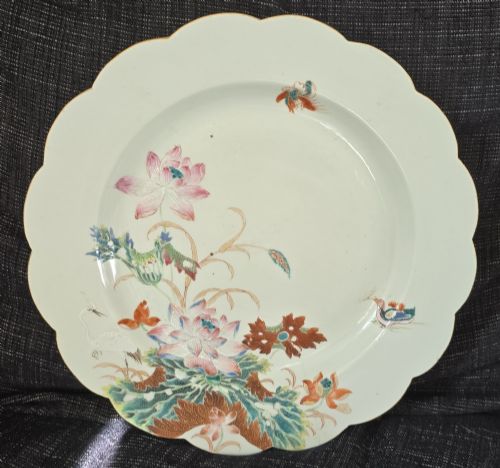
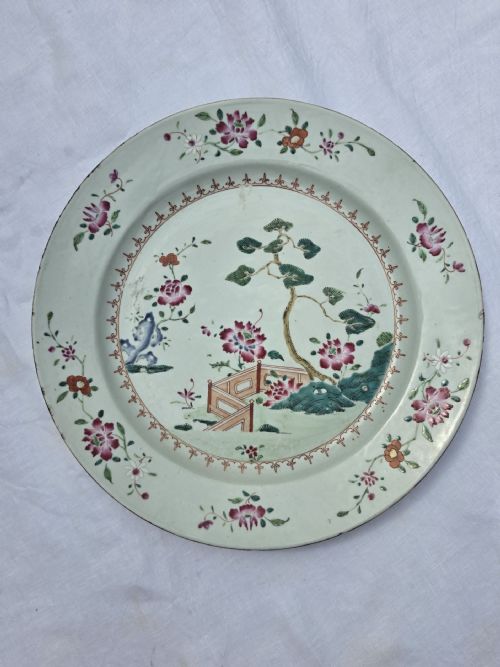
These hand enamelled china plate examples bring vibrant palette work and intricate painted scenes straight to the display cabinet.
Hand Enamelled China Plate
When you search for hand enamelled china plate, you encounter decorative ceramics spanning centuries of international kiln production. These objects range from eighteenth century export chargers to nineteenth century cabinet plates made for display.
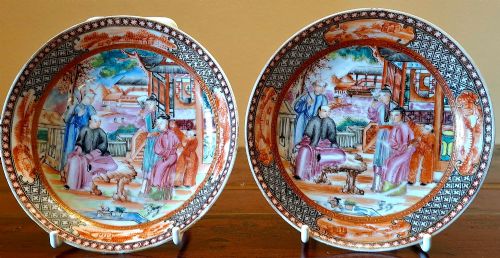
The most common forms on this page include Chinese export porcelain from the Qianlong period and Victorian wares from European factories. Buyers find dishes decorated with floral motifs, armorial bearings, and narrative scenes.
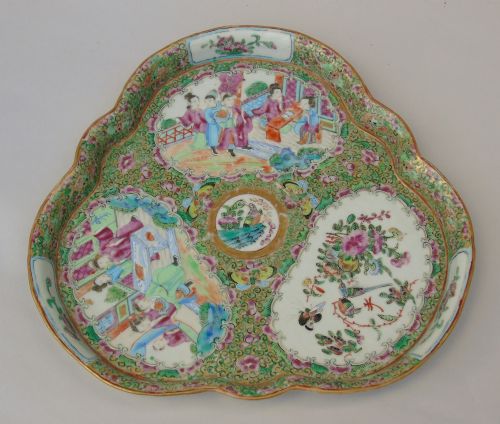
The assortment includes domestic tea wares alongside large chargers and decorative trays. Pieces originate from various traditions, notably Chinese Qing dynasty kilns and European potteries.
How they were made
Makers shaped hard-paste porcelain and ironstone bodies before applying initial underglaze layers and detailed overglaze enamel pigments. Artisans used fine brushes to build up intricate polychrome surfaces by hand.
Many examples incorporate gold leaf or gilt highlights fused to the ceramic surface during subsequent low-temperature kiln firings. This technique adds metallic brilliance to floral borders and central crests.
The documented objects span the eighteenth century, nineteenth century, Victorian era, and Qing dynasty.
What varies in quality
Execution of the painted design distinguishes standard production from exceptional work. Precision in brushwork, particularly within complex figures and heraldic details, defines the upper tier.
The richness and preservation of the enamel glaze and gold leaf retention determine visual impact. Finer specimens display stable pigments and crisp application that resist heavy wear.
Minton·Meissen
The Hand Enamelled China Plate Glossary
- Famille rose
- A palette of opaque rose-pink and other soft enamel colours introduced in Chinese ceramics during the Qing dynasty. The style allows for subtle tonal shading in floral and figural compositions.
- Hard-paste porcelain
- A dense, vitrified ceramic compound fired at high temperatures using kaolin and petuntse. It provides a durable, translucent white body suitable for intricate overglaze enamelling.
- Mandarin palette
- A style of Chinese export porcelain decoration featuring narrative scenes with numerous figures in architectural or garden settings. These designs typically include elaborate borders executed in rich enamel colours.
- Gilt
- A thin layer of gold applied to the ceramic surface for decorative accentuation. It requires careful firing to bond securely with the underlying glaze.
- Ironstone
- A heavy, durable type of earthenware developed in the nineteenth century as a robust alternative to porcelain. It accepts transfer printing and hand enamel decoration effectively.
Hand Enamelled China Plate: Frequently Asked Questions
How do I date an antique plate?
Examining the paste body, foot rim, and enamel characteristics helps establish the likely production era. Supporting provenance and stylistic markers such as reign marks provide further chronological context.
Comparison with documented pieces from specific dynasties or European factories clarifies the timeline. Subtle differences in glaze texture reveal manufacturing shifts over the centuries.
Are these plates meant for food?
Most antique decorative ceramics function primarily as display pieces rather than daily tableware. Historic glazes and delicate overglaze enamels can suffer damage from modern cutlery and frequent washing.
Displaying them on stands or in cabinets preserves the fragile painted surfaces. Using them for serving runs the risk of scratching the soft enamel decoration.
What is Chinese export porcelain?
This category encompasses ceramic wares manufactured in China specifically for overseas markets in Europe and the Americas. Factories tailored shapes and decorative schemes to suit Western tastes while retaining traditional techniques.
Armorial services commissioned by European families represent a prominent subcategory of these exports. They combine Eastern manufacturing skill with Western heraldry.
How should I clean my plate?
Gentle dusting with a soft dry cloth removes surface particles safely. Avoid soaking or using abrasive cleaning agents that might harm the delicate overglaze enamels.
Professional restoration advice should be sought if structural issues arise. Minimising handling protects the fragile gilt highlights and painted details from accidental loss.