



Qianlong Blue White Porcelain
Qianlong blue white porcelain comprises remarkable hard-paste ceramic pieces decorated with cobalt pigment under the glaze, offering collectors superb historical craftsmanship.
Qianlong Blue White Porcelain
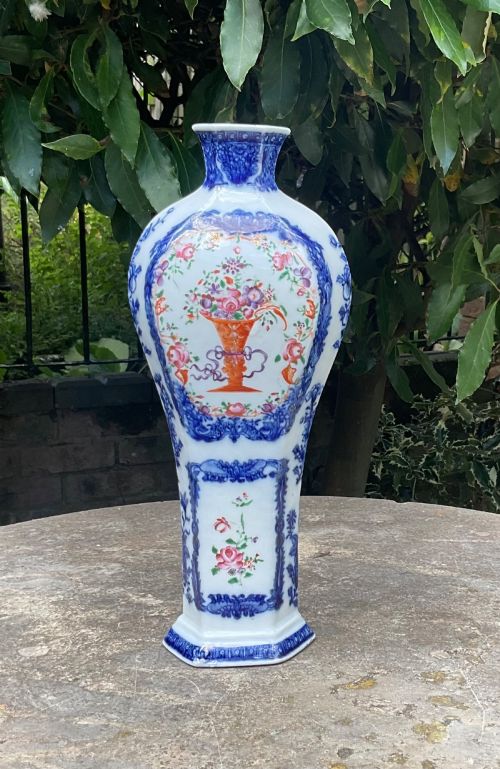
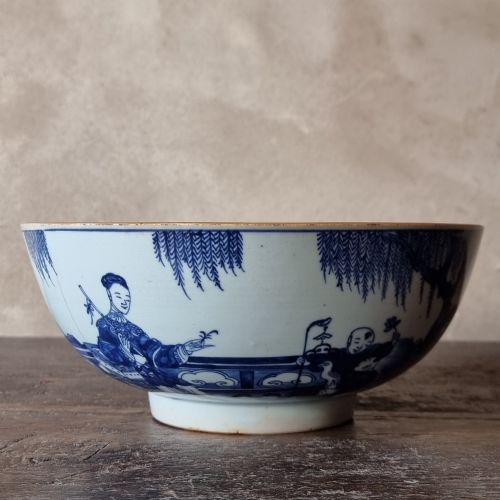
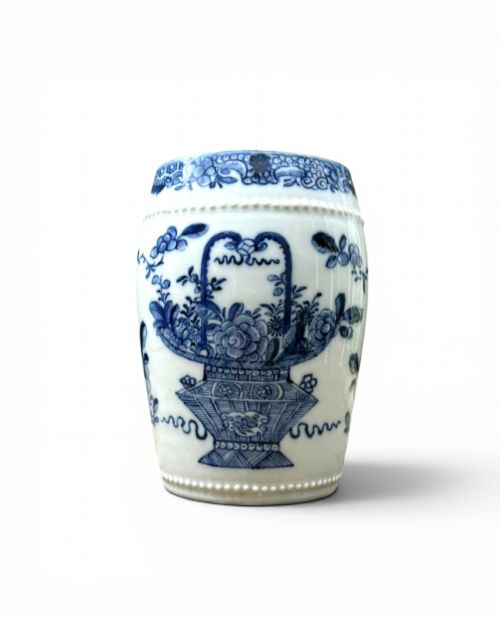
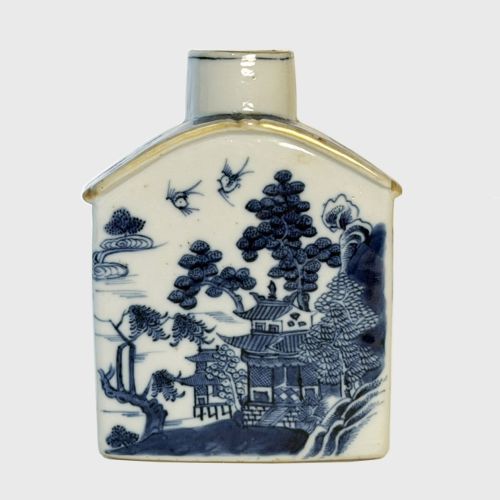
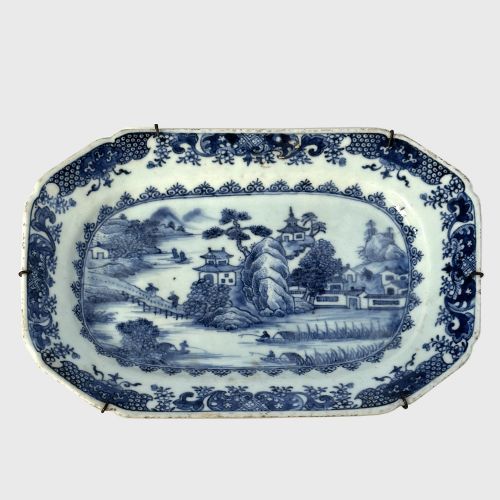
Qianlong blue white porcelain encompasses a variety of objects created during the Qing Dynasty, specifically within the eighteenth century. Buyers seeking qianlong blue white porcelain frequently encounter utilitarian and decorative forms such as punch bowls, mugs, platters, and tea caddies.
The selection ranges from Chinese Export wares to pieces bearing specific Qianlong marks or seals. These items reflect the extensive production methods of imperial and export kilns during the period.
Materials and Construction
Potters utilised hard-paste porcelain combined with cobalt pigment to achieve the characteristic blue and white decoration. The pigment was applied beneath a clear glaze before firing in high-temperature kilns.
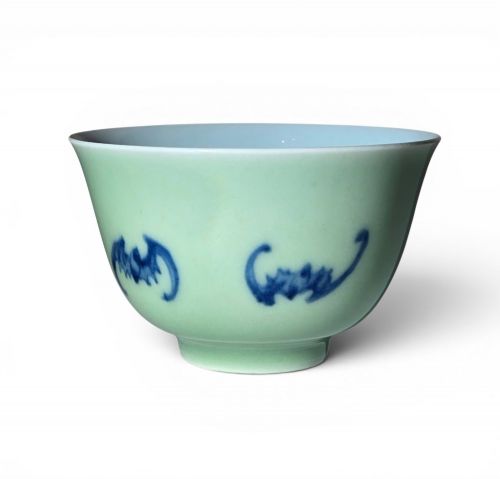
Certain pieces incorporate additional decorative elements like enamel glaze or celadon-ground surfaces alongside the cobalt painting. The resulting ceramic body provides a durable base with a smooth, vitreous finish.
Listings feature porcelain forms spanning the eighteenth century, including platters, punch bowls, snuff bottles, and marked cups.
Assessing Quality and Execution
The precision of the cobalt painting distinguishes finer examples from simpler production. Well-executed pieces display crisp lines and controlled shading without blurring in the glaze.
Form and proportion also indicate the standard of the piece, particularly in moulded items like barrel-shaped mugs and handled tureens. The clarity of reign marks and the uniformity of the porcelain body contribute to the overall standard.
The Qianlong Blue White Porcelain Glossary
- Cobalt Pigment
- The blue mineral colouring agent applied to the ceramic body beneath the glaze. It reacts to high heat by turning deep blue.
- Hard-paste Porcelain
- A dense, vitrified ceramic made from petuntse and kaolin fired at very high temperatures. This material forms the durable foundation of eighteenth-century vessels.
- Chinese Export
- Porcelain manufactured in China specifically for overseas markets in Europe and the West. These items often blend Eastern manufacturing with Western shapes.
- Tea Caddy
- A small container designed for storing loose tea leaves securely. Eighteenth-century examples frequently feature fitted covers and painted panels.
- Tulipiere
- A vessel with multiple spouts created for displaying individual flower stems. These architectural pieces demand skilled ceramic moulding.
Qianlong Blue White Porcelain: Frequently Asked Questions
How do I identify a Qianlong mark?
Imperial marks from the period usually appear as seal scripts or characters under the glaze on the base of the vessel.
These marks indicate imperial patronage or stylistic adherence to the reign dates between seventeen thirty-six and seventeen ninety-five.
What forms are most common?
Platters, plates, punch bowls, and mugs appear frequently in eighteenth-century porcelain collections.
Functional dining vessels and teawares made up a substantial portion of both export and domestic production.
Can I use these antiques daily?
These historical ceramics require careful handling due to their age and delicate material composition.
Most owners choose to display them rather than use them for regular dining or beverage service.
How do export pieces differ?
Chinese Export ceramics were shaped to suit Western tastes while retaining traditional Chinese painting techniques.
Forms like tureen covers and meat drainers reflect specific European dining habits of the eighteenth century.