



Antique Ceramic Tea Caddy
An antique ceramic tea caddy holds the leaf securely on the table, offering a glimpse into Georgian and Victorian tea rituals.
Antique Ceramic Tea Caddy
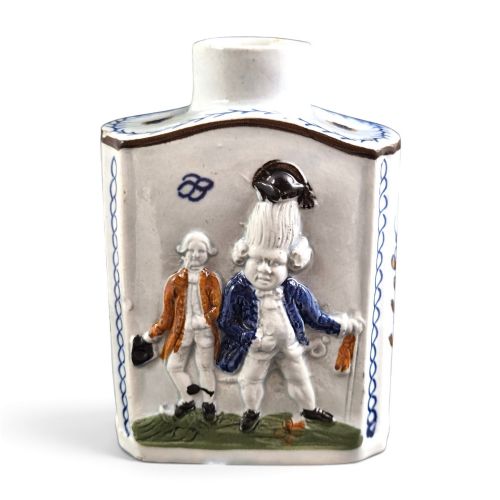
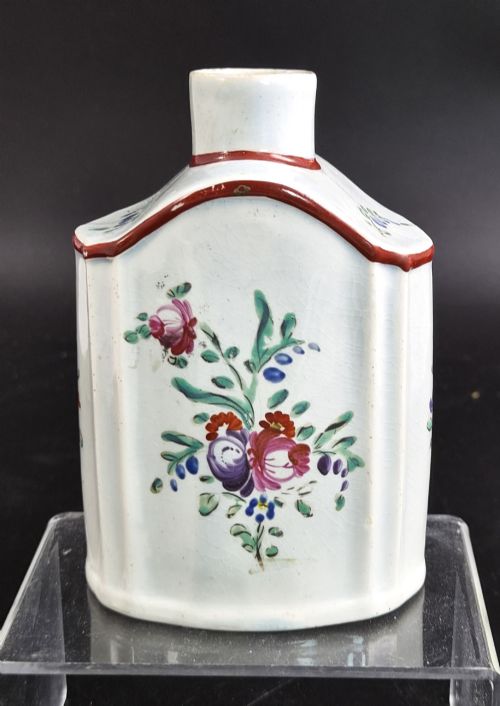
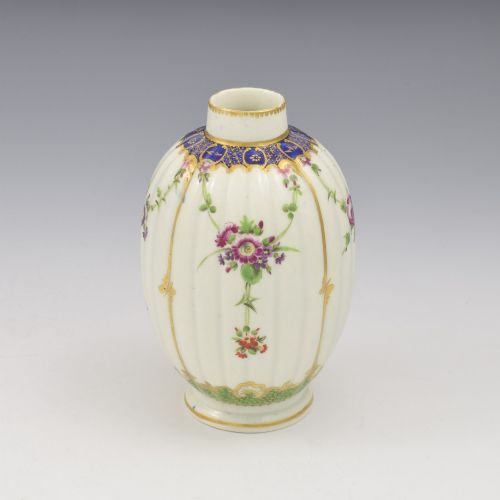
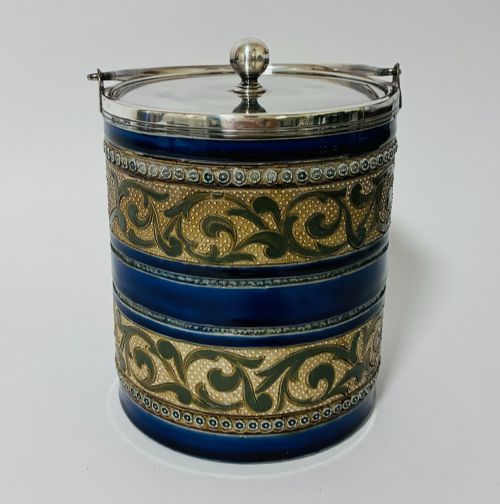
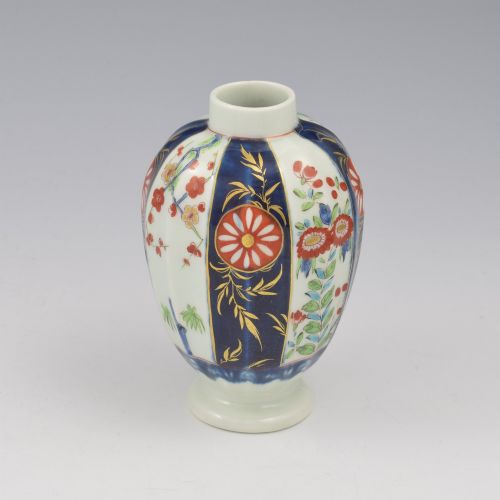
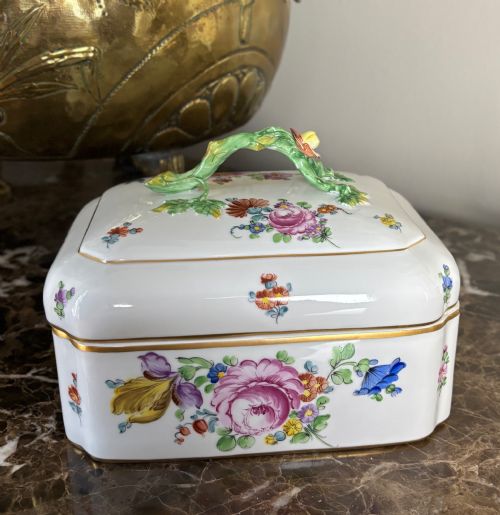
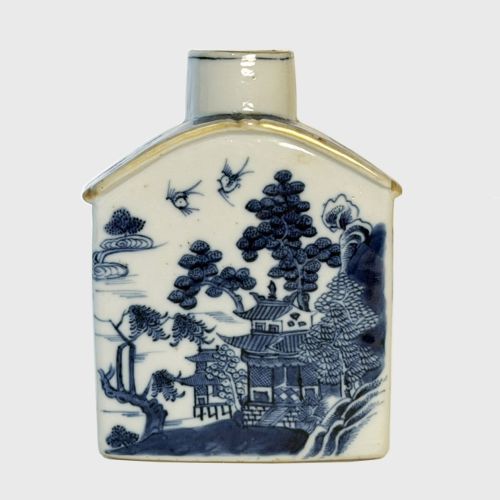
When searching for an antique ceramic tea caddy, buyers encounter a range of forms designed to store dry leaves safely away from damp air. These vessels date from the eighteenth century through the Victorian era and into the early twentieth century, spanning English earthenware, soft-paste porcelain, and imported export wares. The selection on this page shows pieces ranging from early Worcester canisters to Edwardian biscuit barrels and Japanese jars.
Georgian examples often take the form of porcelain canisters with floral enamels or blue and white painting. Victorian and Edwardian pieces frequently include biscuit barrels fitted with silver plate mounts alongside earthenware tea caddies. Makers such as Leeds Pottery, Minton, and Doulton Lambeth contributed to this variety across English, European, and Asian traditions.
The styles shift from Rococo Revival and Chinese Export to Chinoiserie and Japanese Meiji designs. Buyers are most likely to meet eighteenth-century porcelain canisters and nineteenth-century earthenware storage vessels when browsing these listings. Each piece reflects the material preferences and decorative tastes of its specific period of origin.
Materials and production methods
Potters shaped these vessels using earthenware, pearlware, and soft-paste porcelain, applying glazes before firing the clay in kilns. Many eighteenth-century pieces feature handpainted cobalt blue designs or polychrome floral enamels fixed by heat. Some vessels incorporate gold leaf, gilt accents, or transfer-printed patterns beneath clear glazes.
Fittings and mounts required metalworking skills, seen in the silver plate hardware attached to Victorian biscuit barrels. Makers utilised specialised techniques such as crackle glazing and flow blue printing to achieve distinct surface textures and colour bleeds. Artisans in England, Japan, and continental Europe applied these traditional methods to produce durable storage containers.
Listings feature eighteenth-century porcelain, Victorian earthenware, and early twentieth-century pottery from English, European, and Japanese makers.
Assessing quality in ceramic containers
The distinction between ordinary and superior pieces rests on the crispness of the handpainted details and the control shown during the firing process. Finer porcelain canisters display neatly rendered enamels and well-balanced forms without distortion from the kiln. The quality of supplementary metal mounts, such as silver-plated lids and swing handles on Victorian barrels, also indicates the tier of the piece.
Provenance and factory marks elevate certain vessels, with double marks or recognised workshop attributions pointing to skilled execution. Early soft-paste porcelain pieces from established factories show greater refinement in body texture than later mass-produced wares. The preservation of original gilding and vibrant enamel colours remains a key indicator of how well a vessel has survived.
Leeds Pottery·Doulton Lambeth·Carlton Ware·Herend·Minton
The Antique Ceramic Tea Caddy Glossary
- Soft-paste porcelain
- An artificial ceramic paste fired at lower temperatures than hard-paste porcelain, common in eighteenth-century English factories. It produces a warm, slightly creamy body often found in early tea canisters.
- Flow blue
- A nineteenth-century transfer-printing technique where lime or ammonia chloride was introduced into the kiln to blur the cobalt blue design. This created a rich, hazy aesthetic popular on Edwardian biscuit barrels.
- Pearlware
- A refined earthenware developed by Josiah Wedgwood in the late eighteenth century featuring a faint bluish glaze. This glaze pooled slightly in recesses to mimic the look of Chinese porcelain.
- Biscuit barrel
- A covered ceramic container used on the dining table during the Victorian and Edwardian periods to hold dry biscuits. They frequently feature silver-plated rims and hinged handles.
- Chinoiserie
- European artistic style reflecting Chinese motifs and landscapes, popular during the eighteenth century. It appears frequently on export porcelain and English tin-glazed earthenwares.
- Enamel
- Opaque glass-like pigments applied over or under the glaze to add colour to ceramics. Artisans fired the pieces multiple times to fuse these vibrant decorative elements to the body.
Antique Ceramic Tea Caddy: Frequently Asked Questions
What is the difference between a tea caddy and a biscuit barrel?
A tea caddy was designed to store precious dry tea leaves securely, often featuring a small neck and a tight-fitting lid to preserve the aroma.
In contrast, a biscuit barrel is a larger Victorian or Edwardian vessel meant for serving biscuits at the table, usually equipped with a metal swing handle.
How can I date an antique ceramic tea canister?
Dating relies on examining the ceramic body, glaze characteristics, and any factory marks stamped or painted on the base. Eighteenth-century pieces typically show soft-paste bodies and handpainted blue or enamel decoration.
Later Victorian and Edwardian examples often incorporate transfer-printing, bolder colours, and metal hardware like silver plate.
Are these ceramic tea caddies still safe to use for tea?
Most collectors prefer to display these antique vessels rather than use them for daily storage, as centuries of age can render the porous ceramic or old glazes fragile.
If you do use them, ensure the interior is clean and avoid exposing delicate enamels or metal mounts to moisture.
What does First Period Worcester mean?
First Period Worcester refers to porcelain produced at the Worcester factory from its founding in the mid-eighteenth century until seventeen eighty-three. Pieces from this era are prized for their fine potting and delicate handpainted cobalt or enamel work.