


Antique Porcelain Tea Jar
These antique porcelain tea jar examples are practical vessels shaped to keep loose leaves dry, offering enduring charm for any interior.
Antique Porcelain Tea Jar
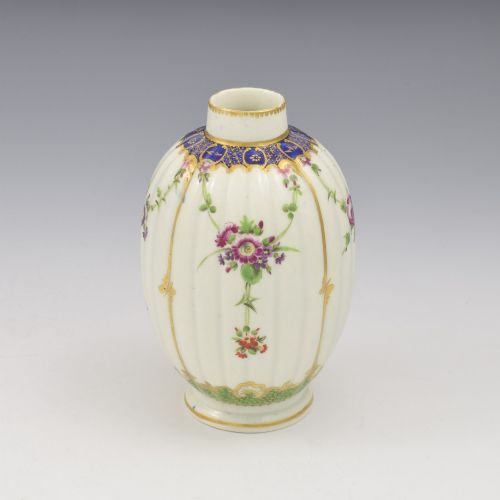
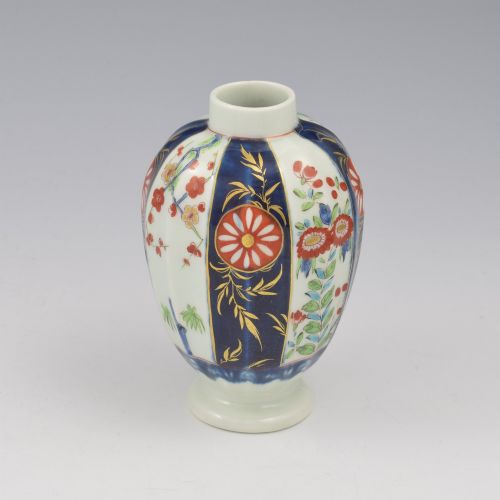
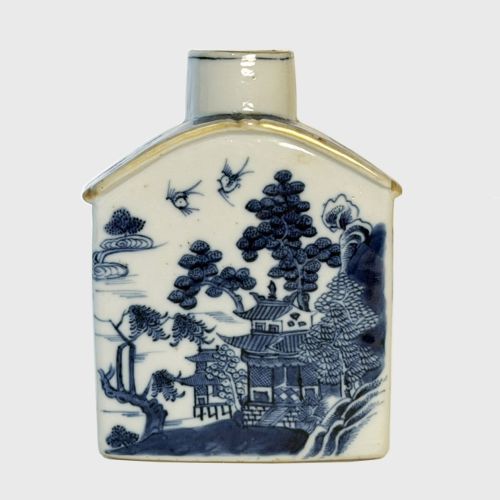
When you search for an antique porcelain tea jar, you encounter a selection of tea caddies, canisters, biscuit barrels, and ginger jars spanning the eighteenth, nineteenth, and early twentieth centuries. These vessels originate from English factories such as Worcester, Minton, and Royal Crown Derby, alongside Chinese Export workshops and Japanese Meiji period kilns.
The English eighteenth-century pieces often take the form of fluted canisters or caddies designed for early tea chests, while Victorian and Edwardian examples frequently incorporate ceramic bodies with silver-plate mounts. Asian pieces in the selection include Chinese Qing Dynasty crackle-glazed canisters and Japanese Satsuma or Kutani jars.
Most pieces you meet on this page serve decorative functions in modern rooms today, though their historical purpose involved storing dry tea leaves away from damp air and light. Collectors find variations ranging from blue and white Worcester porcelain to colourful hand-painted Herend and Imari patterns.
How they were made
Makers formed these pieces from soft-paste porcelain, hard-paste porcelain, ceramic, and earthenware bodies, shaping them on the wheel or pressing them into moulds. Artisans applied cobalt blue underglaze, enamel colours, and occasional gold leaf details before firing the pieces in kilns.
Many nineteenth-century biscuit barrels and jars combine ceramic bodies with silver plate hardware, mounting lids and swing handles to metal collars. Glaze techniques vary from tea dust finishes and crackle effects to flow blue transfers and handpainted enamel motifs.
Materials recorded across the selection include soft-paste porcelain, ceramic, earthenware, enamel, silver plate, and gold leaf.
What varies in quality
The distinction between standard commercial wares and finest production lies in the precision of the painting and the clarity of the porcelain body. Hand-painted enamels and delicate gilding executed by skilled factory artists display superior definition compared to simpler transfer-printed designs.
Survival of original matching lids, pristine enamel work, and intact silver plate mounts elevate a piece's standing. The reputation of the manufacturing period, such as the Dr Wall Worcester era, also guides the distinction among pieces.
Dr Wall Worcester·Royal Crown Derby·Tokyo Taizan·Carlton Ware·Herend·Minton
The Antique Porcelain Tea Jar Glossary
- Tea Caddy
- A small storage jar designed to hold loose tea leaves safely. These vessels often feature fitted lids and narrow bodies suitable for compartmentalised tea chests.
- Biscuit Barrel
- A covered ceramic or porcelain container used on Victorian dining tables for dry biscuits or cakes. They frequently feature plated metal lids and swing handles.
- Soft-paste Porcelain
- An artificial porcelain composition fired at lower temperatures than hard-paste porcelain. Eighteenth-century English factories widely utilised this material.
- Imari
- A decorative style characterised by rich underglaze blue and iron-red enamel, often enriched with gold. Japanese and English potteries both produced wares in this manner.
- Tea Dust Glaze
- An opaque industrial glaze showing crystalline speckling resembling fine metallic dust. This finish appears on certain Chinese Qing Dynasty ceramic forms.
Antique Porcelain Tea Jar: Frequently Asked Questions
What is an antique porcelain tea jar used for?
These vessels originally served to store and protect dry tea leaves from moisture in the home.
Today, collectors use them as decorative mantelpiece ornaments or display them within cabinet collections.
How do I identify an 18th-century tea jar?
Eighteenth-century examples often display soft-paste porcelain bodies with hand-painted blue and white or Sèvres-style polychrome decoration.
They tend to feature smaller, compact proportions suited to historical tea chests.
What is a biscuit barrel?
A biscuit barrel is a larger covered jar introduced during the Victorian era for serving dry baked goods at the table.
These pieces typically combine ceramic bodies with silver-plated rims, lids, and swinging handles.
Are Japanese tea jars common?
Japanese jars from the Meiji period, including Satsuma and Kutani wares, appear frequently alongside English and Chinese pieces.
They are distinguished by dense hand-painted enamels, crackle glazes, and extensive use of gold leaf.