


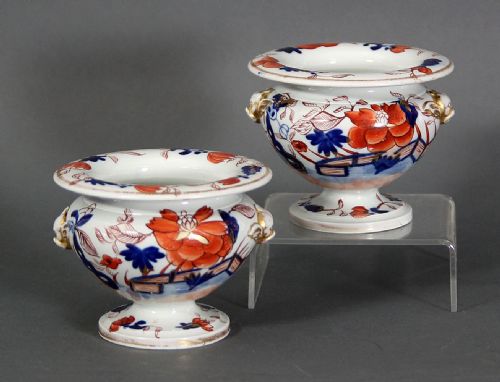


19th Century Open Salts
These 19th century open salts are miniature masterpieces of the dining table, bringing charm and period detail to any interior.
19th Century Open Salts
When you search for 19th century open salts, you enter a diverse world of small tableware designed to hold loose salt before shaker bottles became common. The pieces seen here span the Georgian and Victorian eras, taking forms from simple glass bowls to elaborate figural groups.
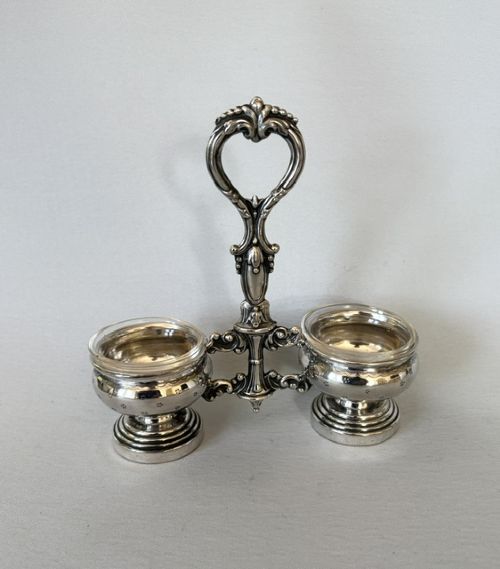
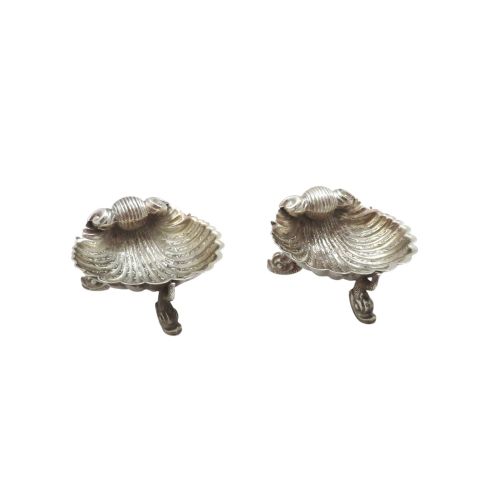
The assortment includes novelty designs like bears, eagles, and garden wheelbarrows, alongside elegant double condiment stands and shell motifs. These items served a practical function on formal and domestic dining tables alike.
How they were made
Silversmiths utilised casting, hammering, and repoussé techniques to shape precious metals into shells, wheelbarrows, and figural supports. Many incorporate gold leaf accents or detailed enamel work to enhance their visual appeal.
Potteries employed glazed ceramic, ironstone, and porcelain, painting birds and figures by hand before firing. Glassmakers relied on heavy cutting and moulding to create brilliant light reflections through draped swag designs and cranberry hues.
Carvers worked with pollard oak, fruitwood, and other timber to produce treen capstan salts and novelty animal figures. Each material demanded specific artisan skills, uniting metalwork, ceramics, glass, and woodwork within a single tabletop category.
Tiny silver wheelbarrows trundle across Victorian tables, carrying salt loads to astonished guests.
What varies in quality
Quality rests on the crispness of detail in moulded porcelain, carved wood, and cast silver. Finer examples display meticulous hand-painting on birds and figures, whereas simpler pieces rely purely on form.
The weight and gauge of the sterling silver or the clarity of cut glass set higher tier pieces apart from silver-plated alternatives. Original gilding, intact enamel, and documented provenance elevate the standing of individual examples.
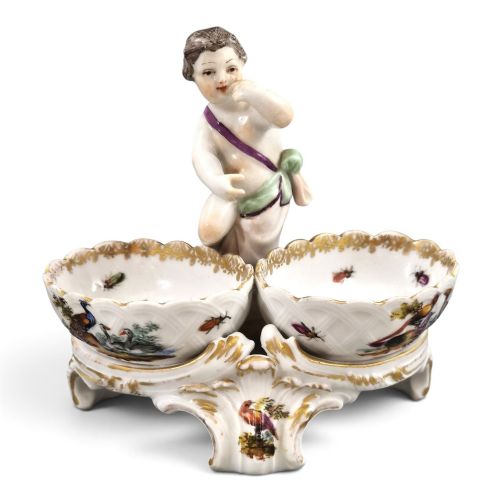
Completeness dictates value, as surviving pairs or sets match each other precisely in manufacture and wear. The ambition of the design, from a standard capstan to an elaborate figural putto and well, defines the maker's skill.
Michael Alexandrovich Romanov·Paul Storr·KPM Berlin·Royal Worcester·Mason’s Ironstone
The 19th Century Open Salts Glossary
- Open salt
- A small tabletop vessel designed to hold loose salt, accessed with a tiny spoon or pinched fingers rather than poured through holes. These objects sat at each place setting or were shared along the dining table.
- Capstan salt
- A salt cellar shaped like a ship's capstan, featuring a wide circular base, a tapered waist, and a flared rim. This classic form appears frequently in wood and silver.
- Condiment stand
- A multi-part frame or tray designed to hold several small vessels for salt, pepper, or mustard. These stands often incorporate central handle loops for easy passing.
- Putto
- A representation of a chubby, naked male child, often winged, frequently sculpted in porcelain or metal as part of figural salt cellars. Plural form is putti.
19th Century Open Salts: Frequently Asked Questions
How were open salts used at the table?
Diners used small salt spoons or clean fingers to pinch salt from the open vessel and sprinkle it over their food. Each guest often had their own individual salt cellar placed near their dinner plate.
Larger master salts sat in the centre of the table for general sharing. This custom required delicate tableware, leading to the intricate silver, glass, and porcelain designs preserved today.
What materials are common in 19th century open salts?
Sterling silver and silver plate form a large portion of surviving examples, often paired with blue glass liners. Porcelain, ironstone, and glazed ceramic also appear frequently, alongside cut glass and coloured cranberry glass.
Wood appears in the form of treen, including pollard oak and fruitwood. Some pieces incorporate gold leaf, enamel, and carved details to heighten their decorative effect.
How do I date an open salt cellar?
Maker marks, hallmarks, and registration numbers stamped on silver or ceramics provide the most reliable dating evidence. Stylistic cues like Rococo Revival scrolls or Regency proportions also point to specific decades.
Changes in dining etiquette and manufacturing techniques across the Georgian and Victorian periods help narrow down the year of production. Comparing base wear and material patination supports these physical markers.
Can I still use antique open salts today?
Many collectors use these pieces on modern dining tables for salt, spices, or small appetisers. Glass liners protect silver and metal vessels from the corrosive nature of salt.
Careful hand washing preserves fragile enamel, gilding, and painted ceramic surfaces. These historic items bring tactile history into daily domestic routines.
What is a figural salt cellar?
A figural salt cellar incorporates human, animal, or mythological figures into its structural design. Examples include putti holding baskets, bears supporting bowls, and birds perched beside wells.
Sculptors modelled these pieces in porcelain, silver, and wood to amuse and impress dinner guests. They represent the more decorative end of 19th century tableware.