



Chinese Porcelain Bird
Chinese porcelain bird figures and vessels bring vibrant avian forms and traditional floral motifs directly into domestic spaces.
Chinese Porcelain Bird
When you search for Chinese porcelain bird, you encounter an array of decorative figures, jars, plates, and vases representing creatures like parrots, cockerels, ducks, and pheasants. These forms span multiple eras, with particular strength in nineteenth-century Qing Dynasty examples alongside earlier Ming style interpretations.
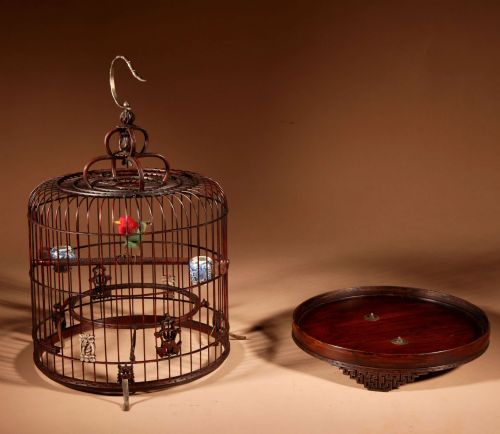
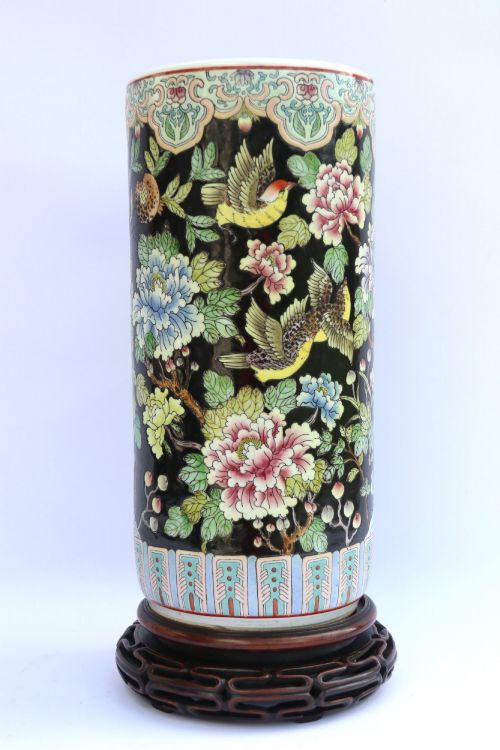
The objects take several distinct shapes, ranging from freestanding sculptural cockerels and parrots with turquoise or sancai glazes to plates and jars adorned with painted bird and flower designs. Alongside the porcelain figures, the selection occasionally incorporates related utilitarian forms such as carved bamboo bird cages.
Most pieces date from the nineteenth century, though the record extends from sixteenth-century Wanli period bowls up to twentieth-century vases. Buyers frequently meet famille rose, famille verte, and blue and white colour palettes across these diverse ceramic types.
How they were made
Potters utilised fine ceramic and porcelain bodies, applying vibrant enamel colours such as famille rose and famille verte alongside cobalt pigment underglazes. Specialist glazes including turquoise, chocolate-brown Batavia, and multicoloured sancai define the surfaces of both figures and vessels.
Many sculptural pieces and vessels were paired with secondary materials like carved hardwood for stands or frames. These complementary elements enhance the display of the porcelain, uniting ceramic artistry with traditional woodwork.
Turquoise glazed cockerels keep a permanent, defiant crow on the sideboard without demanding morning feed.
What varies in quality
The refinement of the painted detail and the modelling of the avian form distinguish superior examples from standard production. Crisp brushwork in the bird and flower motifs combined with expressive modelling elevate a piece significantly.
The depth and clarity of the enamel colours, alongside the richness of specialist glazes like turquoise or sancai, indicate the level of care taken during firing. Preservation of original components, such as matched hardwood stands, also influences the standing of an object.
The Chinese Porcelain Bird Glossary
- Famille rose
- A palette of opaque enamels dominated by pink or rose colours, introduced during the Qing Dynasty. This technique allowed for subtle gradations of tone in bird and flower decorations.
- Famille verte
- A contrasting palette centred on green enamel combined with other vibrant colours. It appears frequently on seventeenth and eighteenth-century porcelain figures and vessels.
- Sancai
- A three-colour glaze tradition typically utilising amber, green, and cream or white tones. This historic technique appears on Ming style ceramic ducks and related animal figures.
- Kraak
- A style of Chinese export porcelain characterised by panelled borders and central painted motifs. These sixteenth and seventeenth-century wares were widely traded internationally.
- Batavia ware
- Porcelain featuring a distinctive chocolate-brown external glaze framing reserve panels. These reserved areas often display painted bird and floral subjects.
Chinese Porcelain Bird: Frequently Asked Questions
What periods do these pieces date from?
The inventory spans several centuries, with the majority originating in the nineteenth-century Qing Dynasty. Earlier examples reach back to the sixteenth-century Wanli period.
Production methods and stylistic preferences evolved across these eras, moving from early Kraak bowls to later famille rose figures and vibrant monochrome glazes.
How were ceramic birds displayed historically?
Sculptural figures of cockerels, parrots, and ducks served primarily as decorative ornaments within elite interiors. They brought vibrant colour and natural motifs into reception rooms.
Plate and jar forms combined utility with decorative bird and flower painting, often resting on dedicated hardwood stands.
What do glazed finishes indicate?
Different glazes reflect specific stylistic traditions and periods of ceramic production. Sancai glazes link pieces to traditional Ming aesthetics, while turquoise and chocolate-brown Batavia finishes point towards Qing Dynasty work.
The application of these glazes alters the visual weight and texture of the bird sculptures.
How do I care for antique porcelain birds?
These ceramic and enamel surfaces require gentle dusting with a soft, dry brush to prevent the accumulation of particles. Avoid harsh chemical cleaners that might damage delicate overglaze enamels.
Ensure that any accompanying wooden stands are treated with appropriate furniture care products separately from the porcelain.