





Antique Chinese Ceramic Statue
An antique chinese ceramic statue brings centuries of sculptural mastery into a room, offering tangible connections to imperial kilns and ancient funerary traditions.
Antique Chinese Ceramic Statue
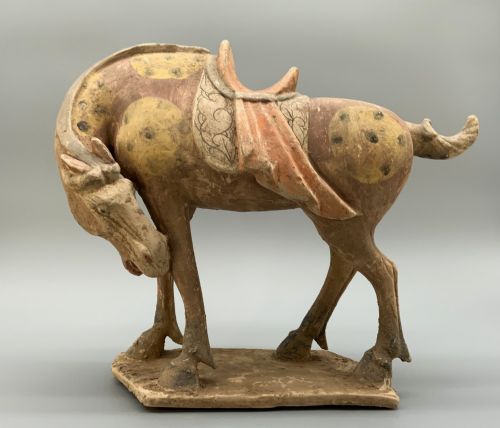
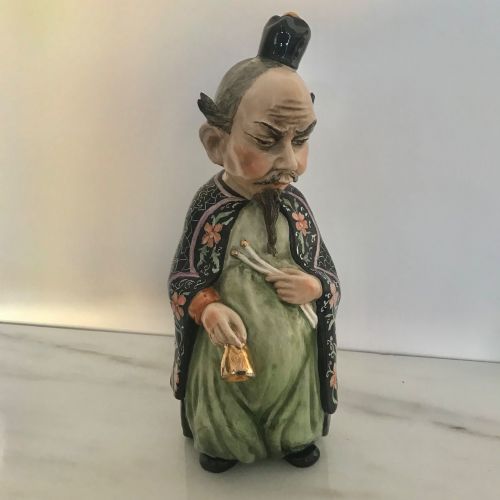
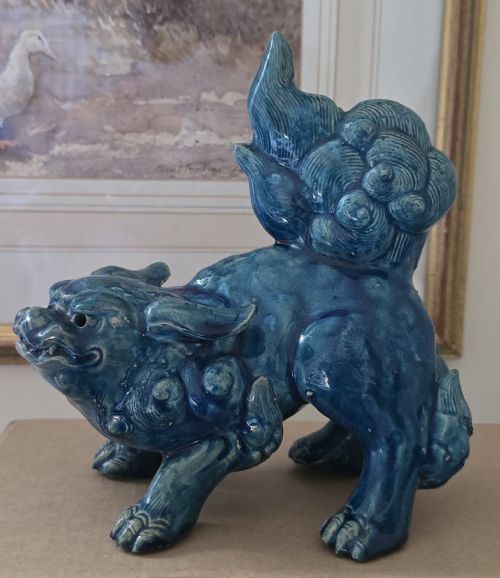
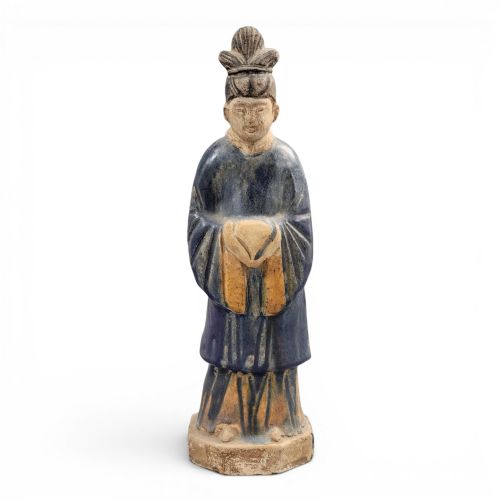
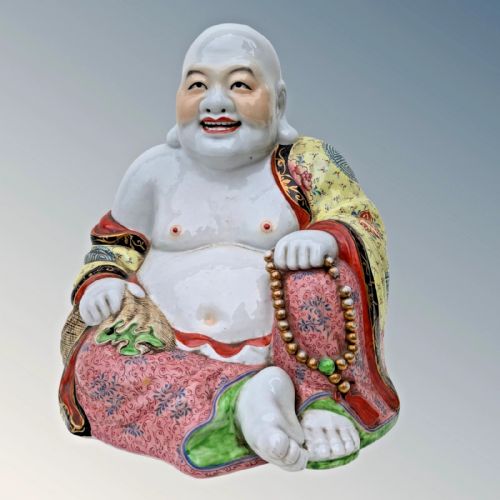
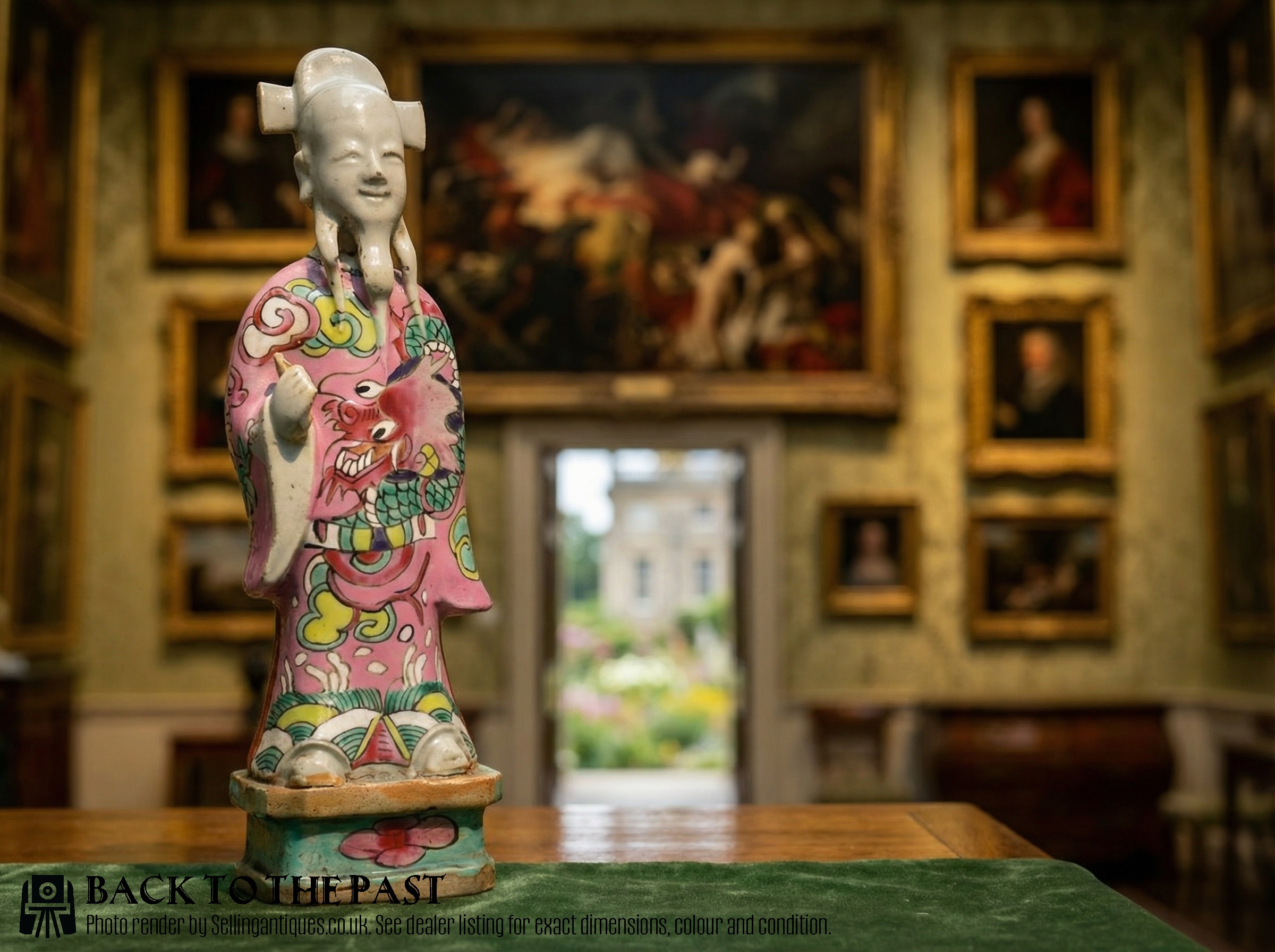
When you search for an antique chinese ceramic statue, you encounter figures ranging from earthenware funerary attendants and terracotta dancers to porcelain immortals and glazed Buddhist lions. The forms span decorative figurines, large sculptures, and functional incense holders shaped across multiple dynasties and later revival periods.
You are most likely to meet pieces from the nineteenth and early twentieth centuries, alongside items finished in earlier styles such as Tang sancai or Qing dynasty palettes. These works represent court commissions, export wares, and domestic ritual objects made in regional potteries and imperial kilns.
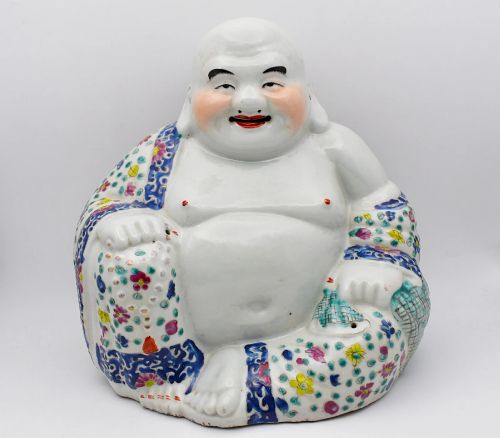
The selection encompasses mythological beings, animals like cockerels and horses, and human subjects including Luohans, Budai figures, and court attendants. Each piece reflects the specific spiritual, cultural, or aesthetic priorities of its period of origin.
How they were made
Potters shaped these figures from local clays, terracotta, stoneware, or refined porcelain before applying lead glazes, enamel decoration, or monochrome surface coats. Many early works utilise low-firing earthenware techniques, while later pieces take advantage of high-temperature porcelain bodies.
Seated apes, laughing boys, and startled cockerels prove that historical potters enjoyed infusing solemn religious figures with distinct animal humour.
What varies in quality
Control during the firing and glazing process determines the richness and stability of the surface colours, whether in the pooling of turquoise or sancai glazes or the precise registration of enamel palettes. Clean kiln results and crisp surface detail elevate a statue within its historical category.
Zhu Mao Ji
The Antique Chinese Ceramic Statue Glossary
- Sancai
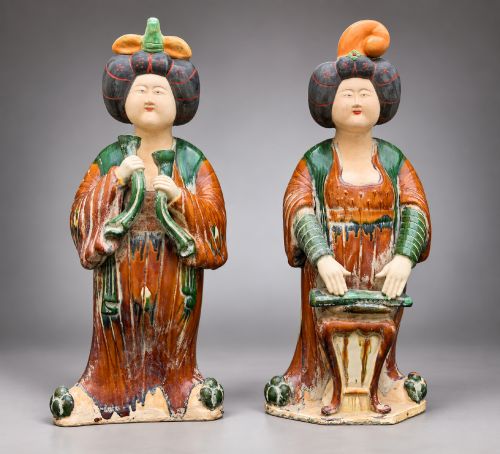
- A three-colour lead glaze tradition most famously associated with Tang dynasty pottery, typically combining amber, green, and cream tones. These glazes often run and pool naturally across the clay surface during firing.
- Famille Rose
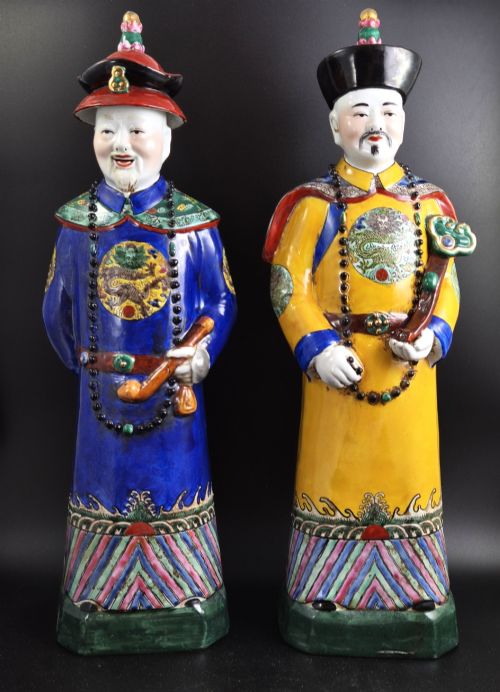
- A palette of opaque enamels introduced in the Qing dynasty, dominated by pink or rose colours derived from colloidal gold. This technique allowed for subtle tonal gradations in figure robes and facial details.
- Shiwan pottery
- A regional ceramic tradition based in Guangdong province known for heavy, expressive stoneware figures and thick, streaking monochrome or jun-type glazes. Shiwan artisans specialised in characterful depictions of animals, deities, and scholars.
- Blanc de Chine
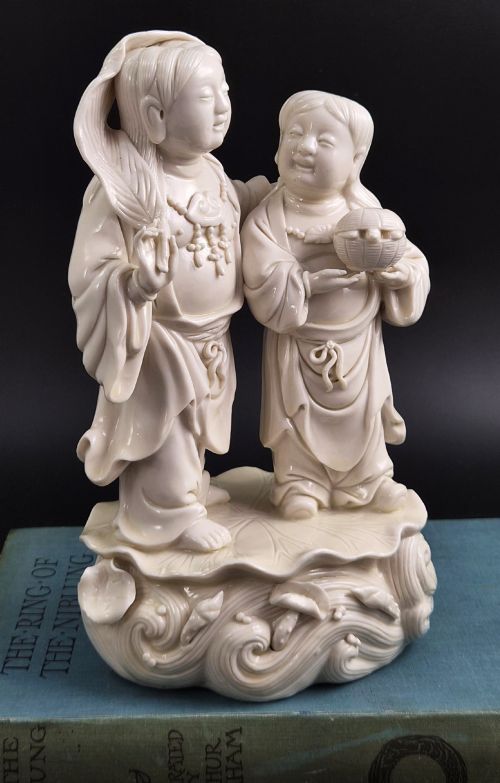
- A white porcelain produced at Dehua in Fujian province, featuring a smooth, ivory-toned glaze that merges seamlessly with the body. It is frequently seen on figures of Guanyin and other religious subjects.
- Foo Dog
- A popular Western term for Chinese guardian lions, known traditionally as guardian stone or ceramic dogs that protect sacred spaces. They appear in pairs with one holding a ball and the other a cub.
Antique Chinese Ceramic Statue: Frequently Asked Questions
How do I tell Tang dynasty from later styles?
Authentic early pieces rely on low-fired earthenware bodies with characteristic burial encrustations and characteristic sancai glaze runs. Later twentieth-century revivals often use denser clay bodies and exhibit different weight and potting characteristics under close examination.
Expertise in these pieces develops by comparing kiln grit, potting thickness, and the specific chemical breakdown of the glaze surface over centuries of ageing.
Were these statues meant for temples or homes?
Many figures served distinct functions, ranging from tomb furniture intended to accompany the dead to household deities placed in domestic shrines for protection and prosperity. Others were created specifically for export to Western markets as decorative arts.
Understanding the original context helps explain why a figure might show traces of burial soil or pristine enamel preservation.
What is the difference between earthenware and porcelain figures?
Earthenware and terracotta statues are fired at lower temperatures, producing porous, opaque bodies frequently found in early funerary sculpture. Porcelain statues use refined kaolin clay fired at high heat, yielding a vitrified, resonant body that accepts bright enamel decoration.
Each material dictates the era, style, and surface texture you encounter on individual pieces.
How should I display a ceramic statue safely?
Ceramic and porcelain figures require stable display surfaces away from heavy foot traffic or vibration that could cause tipping. Placing them out of direct sunlight preserves the stability of enamel and overglaze decorations over time.
Ensure that supporting brackets or shelves are correctly weighted to accommodate the dense stoneware or porcelain bodies of larger sculptures.