


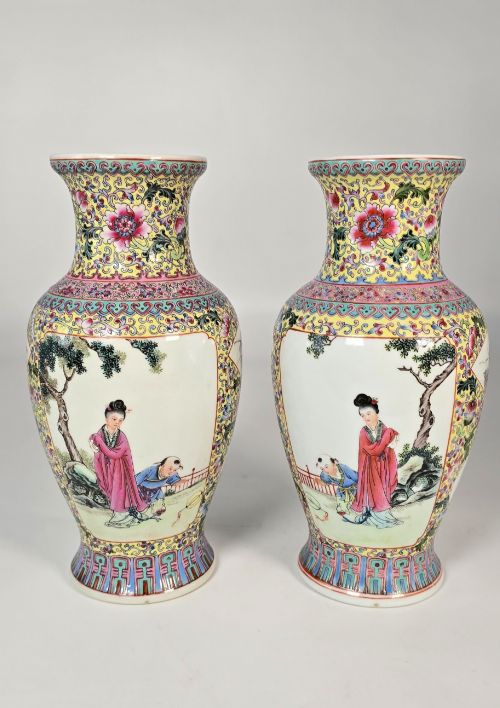
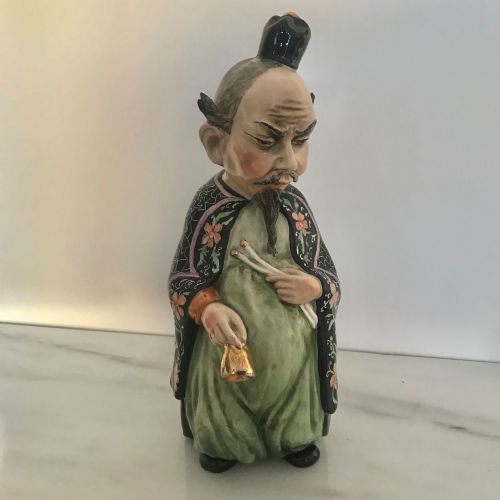
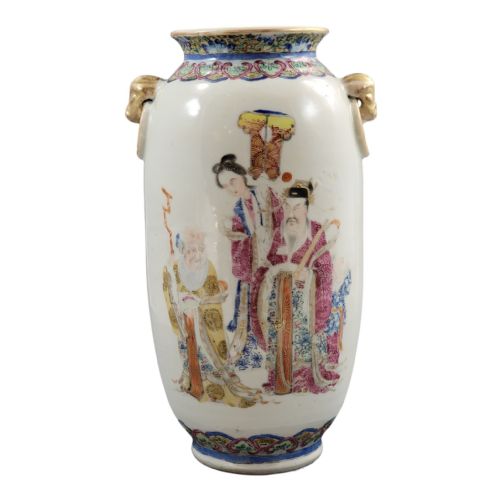


Enamelled Chinese Porcelain Figure
These enamelled chinese porcelain figure works bring vibrant colour and historic form into a room.
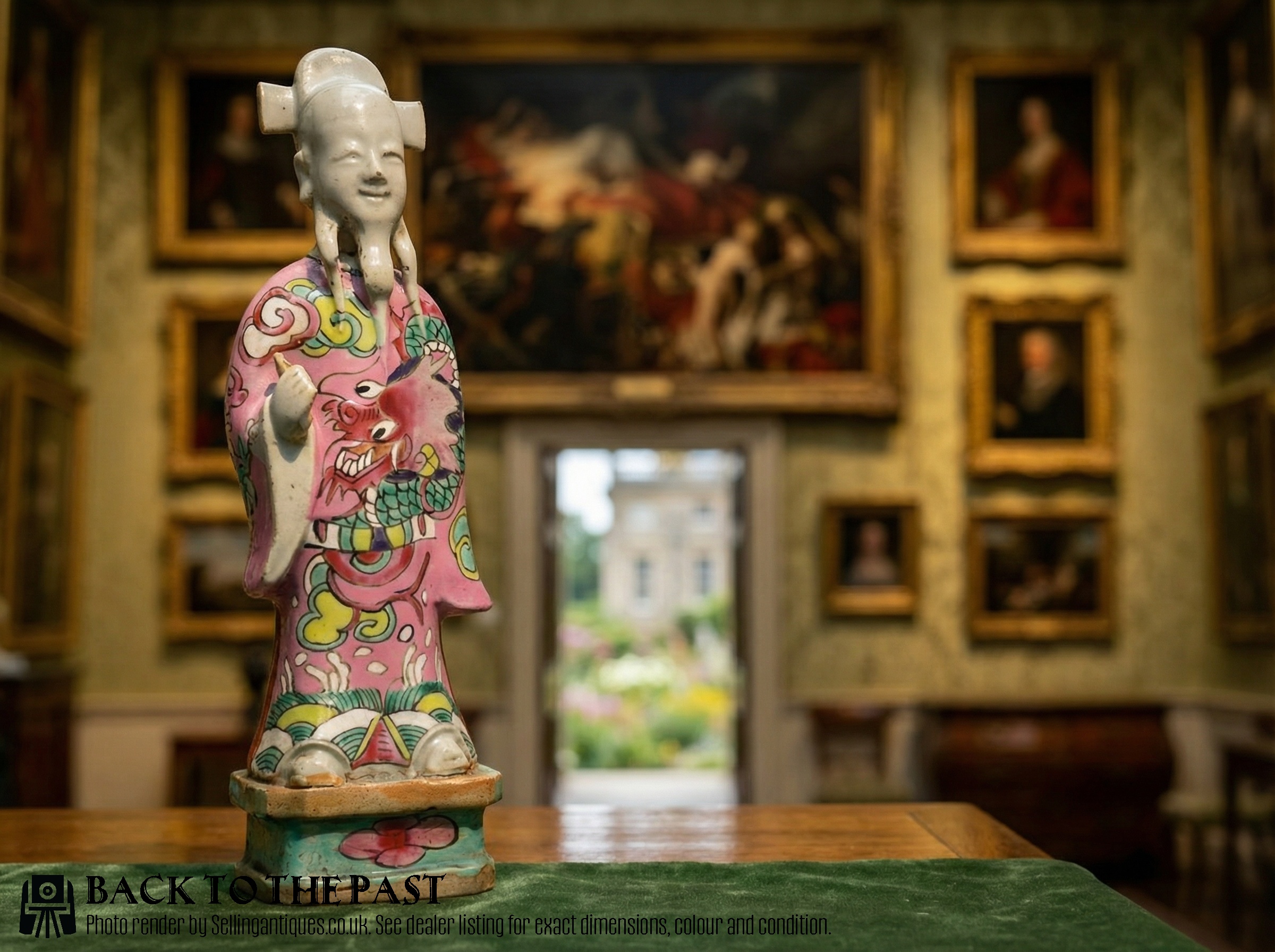
Enamelled Chinese Porcelain Figure
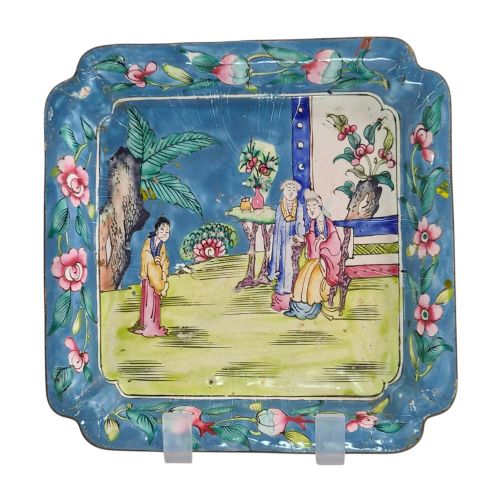
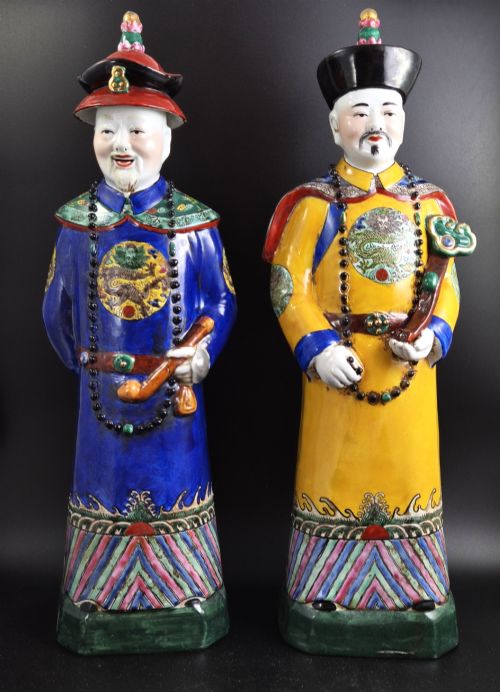
An enamelled chinese porcelain figure brings together traditional ceramic modelling with detailed surface painting across various historic eras. When searching for an enamelled chinese porcelain figure, a buyer encounters representations of deities, emperors, immortals, and mythical creatures shaped in porcelain and decorated with bright pigments.
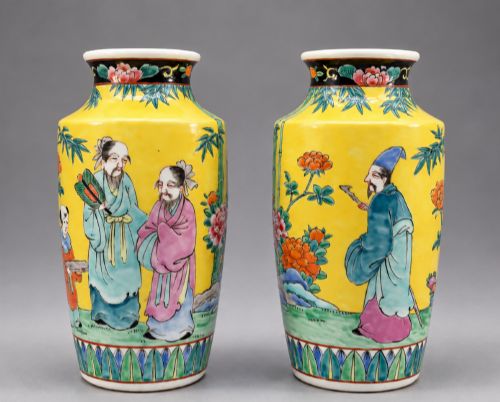
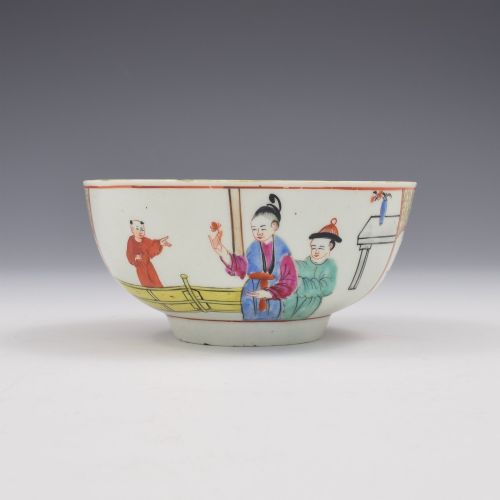
The selections span centuries of production, featuring examples from the Qing Dynasty, the Chinese Republic Period, and eighteenth-century European interpretations of Eastern motifs. Forms range from freestanding statues and nodding figurines to snuff bottles and decorative vessels incorporating human or animal subjects.
Pieces from the late nineteenth century and the early twentieth century appear frequently, alongside earlier Qianlong period examples. The makers utilise hard-paste and soft-paste ceramic bodies to render distinct subjects such as Budai, Luohans, and Foo dogs with characteristic attributes.
Materials and methods
Potters form these figures using ceramic and porcelain bodies, sometimes enhanced with soft-paste porcelain compositions. Artisans then apply glaze and overglaze enamel decoration to create detailed surface patterns and coloured robes.
Certain examples incorporate gilt highlights to accentuate borders and decorative elements on the porcelain substrate. Kiln firing sets the ceramic body before enamel colours undergo subsequent low-temperature firing to bond with the glaze.
Enamelled Chinese Porcelain Figure Retail Price Guide 2026
Typical asking prices for enamelled chinese porcelain figure among the pieces listed under this phrase on Sellingantiques today, from the lower quarter to the upper quarter. They describe what is for sale here now, not the wider market.
Listings feature porcelain forms spanning the eighteenth century to the mid-twentieth century, including pieces from the Qianlong and Daoguang periods.
Assessing quality
The precision of the brushwork and the complexity of the enamel palette dictate the visual distinction of a piece. Finer examples display meticulous control over facial expressions, hand gestures, and the patterning of textiles.
Fujian Huiguan·Zhu Mao Ji
The Enamelled Chinese Porcelain Figure Glossary
- Famille Rose
- A palette of opaque enamels introduced in the eighteenth century, dominated by pink and rose shades. This technique allowed artists to achieve subtle tonal gradations in figure robes and floral motifs.
- Famille Verte
- A transparent green-dominated enamel palette utilised during the Qing Dynasty. The style relies heavily on greens, iron red, and yellow to create vibrant surface decoration.
- Biscuit
- Unglazed fired porcelain or ceramic. Artisans sometimes leave portions of a figure in the biscuit state to contrast with glazed and enamelled sections.
- Overglaze enamel
- Pigments applied over a previously fired and glazed ceramic surface. The piece undergoes a second, cooler firing to fuse the colours to the glaze.
- Soft-paste porcelain
- A ceramic material composed of clay and glass frit rather than kaolin and petuntse. It yields a warmer tone and a softer texture beneath the glaze than hard-paste porcelain.
Enamelled Chinese Porcelain Figure: Frequently Asked Questions
What do these figures represent?
These sculptures typically depict figures from Chinese folklore, history, and religion, including immortals, emperors, Luohans, and deities like Budai and Shoulao. Each character carries traditional attributes that denote longevity, wisdom, or prosperity.
Artists rendered these subjects to serve as auspicious objects within a household or scholar's studio, reflecting moral and spiritual narratives integral to Chinese culture.
How do I care for enamelled porcelain?
Cleaning requires only a soft, dry cloth to remove dust from the surface of the ceramic. Avoid using harsh chemical cleaners or abrasive materials that could damage the delicate overglaze enamels and gilding.
Display the figures away from direct sunlight and areas subject to sudden temperature shifts to protect the structural integrity of the porcelain body and the stability of the enamel pigments.
Were these made for export?
A significant portion of Chinese porcelain figures and related wares was produced for international trade markets in Europe and beyond, while others remained for domestic use. Export pieces often merged traditional Eastern forms with aesthetic preferences popular among Western collectors.
European factories also drew inspiration from these imports, creating their own interpretations of Chinese figures as seen in eighteenth-century English porcelain productions.