
Polychrome Ceramic Statue
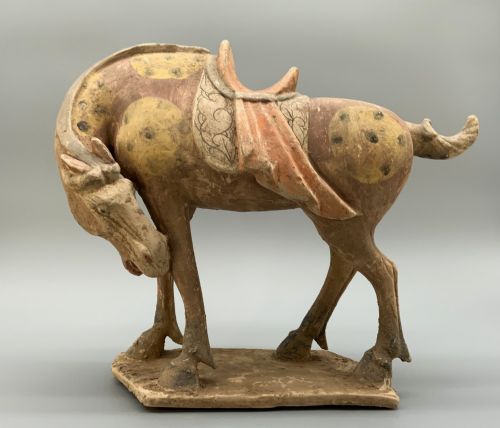
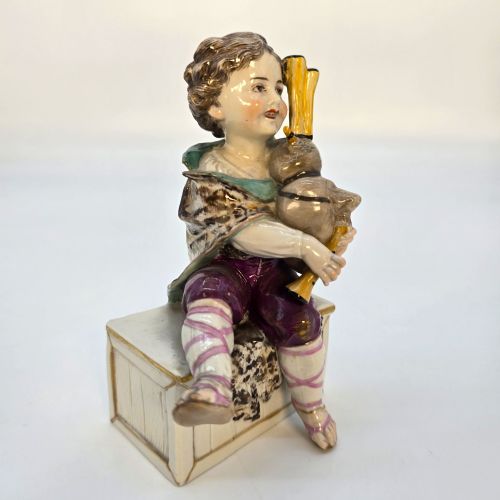
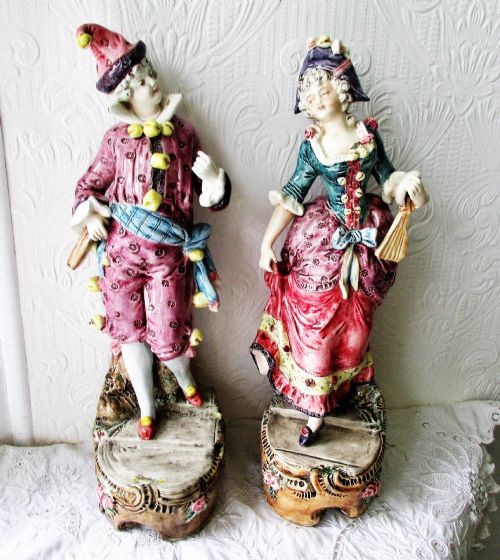
A polychrome ceramic statue brings colour and character to a room, portraying figures and animals modelled across European and Asian traditions.
Polychrome Ceramic Statue
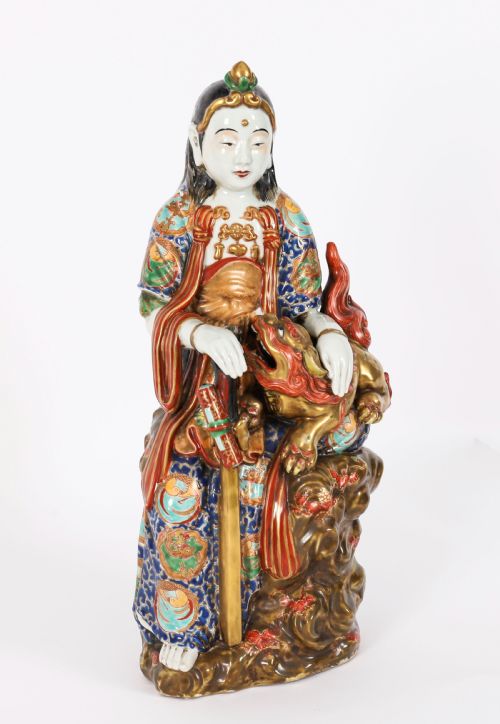
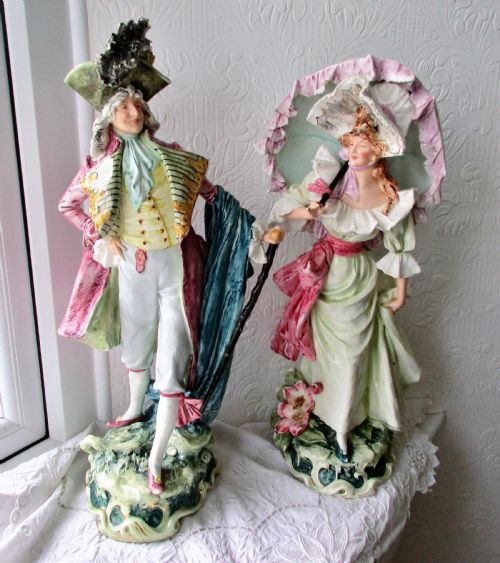
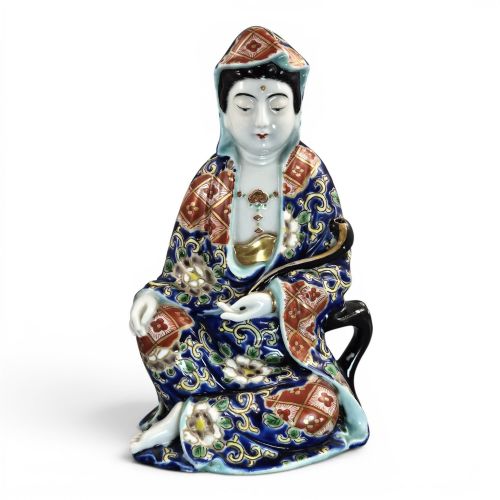
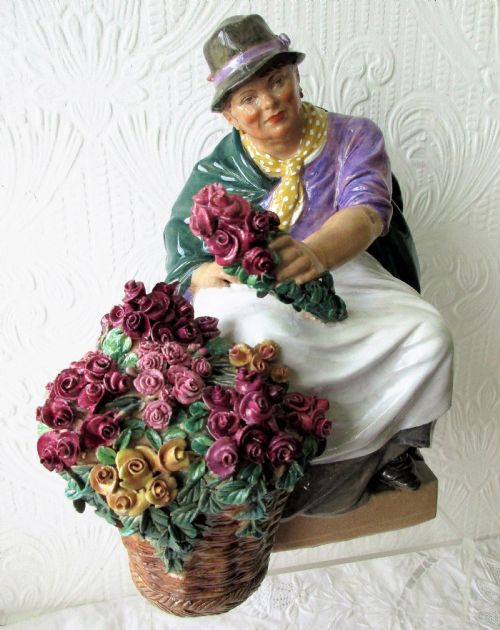
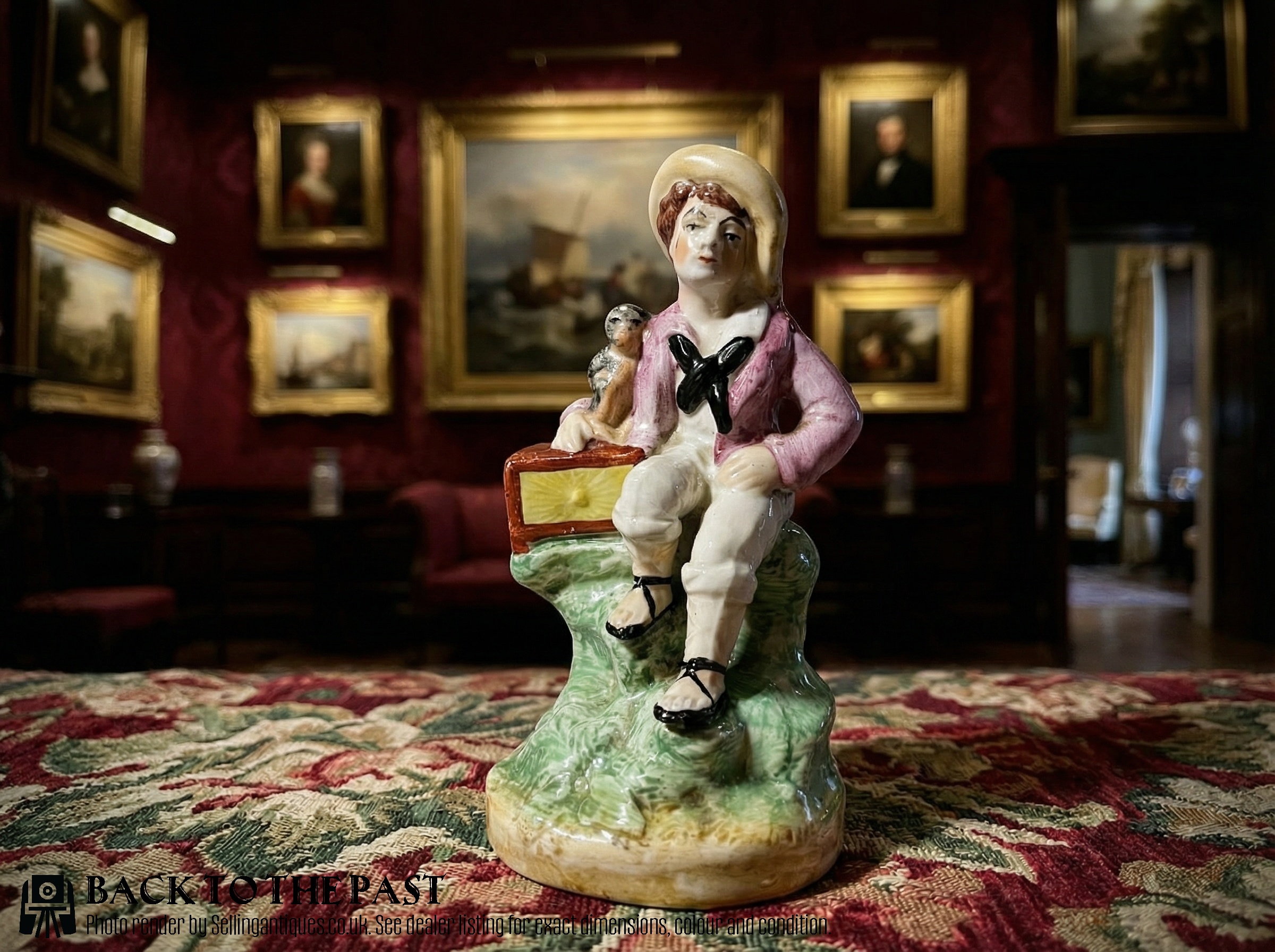
When you search for a polychrome ceramic statue, you encounter figurines, sculptural groups and decorative objects shaped from clay or paste. These pieces range from eighteenth-century porcelain figures and nineteenth-century earthenware pairs to Japanese okimono and Chinese ceramics.
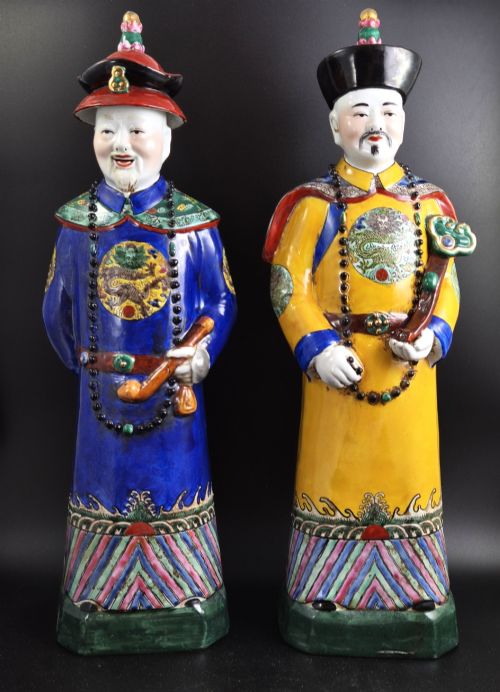
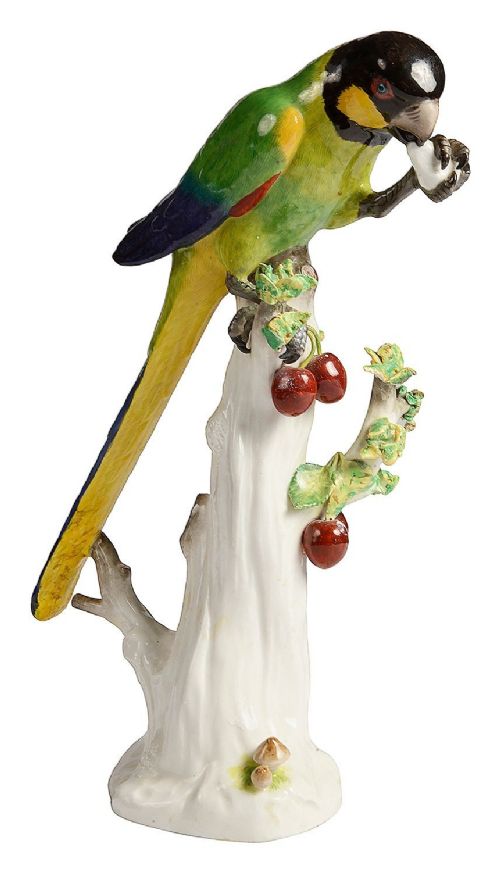
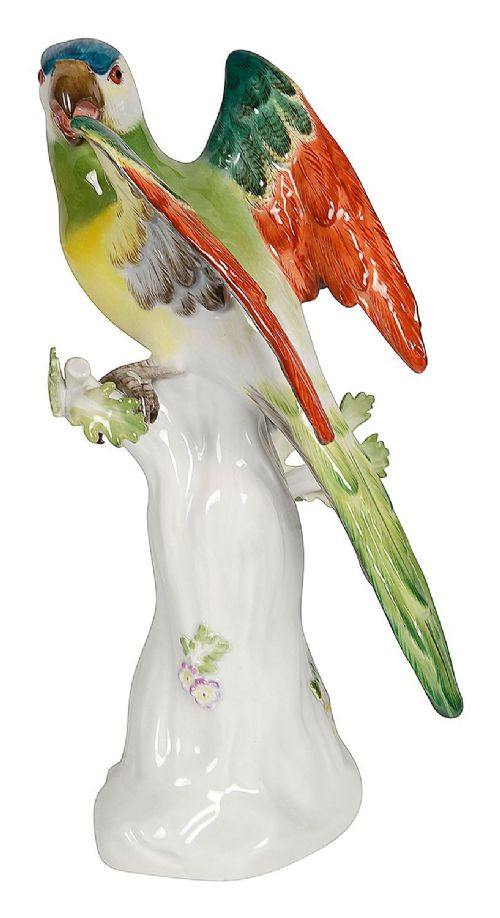
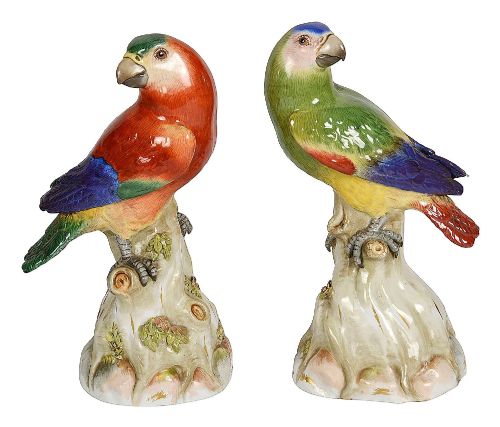
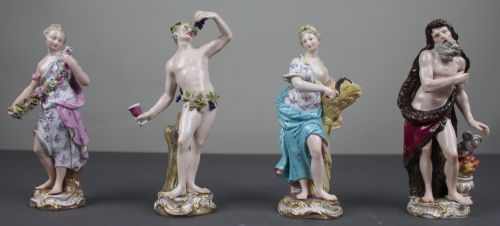
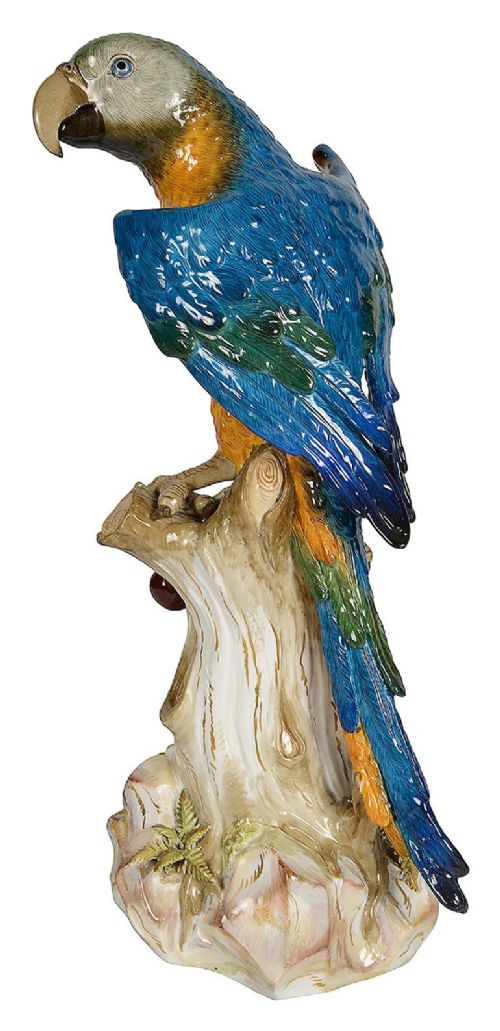
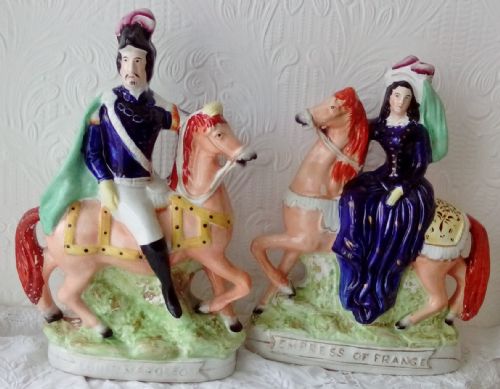
The most common examples on this page are nineteenth-century European porcelain animals, such as Meissen parrots, alongside Staffordshire pottery figures and studio pottery models from the early twentieth century. Formats span single standing subjects, seated deities, pairs of courtiers and allegorical groups representing the seasons or elements.
Origins stretch across English, French, German, Italian, Chinese and Japanese kilns, uniting diverse stylistic periods from the Georgian era through to the Art Deco movement.
How they were made
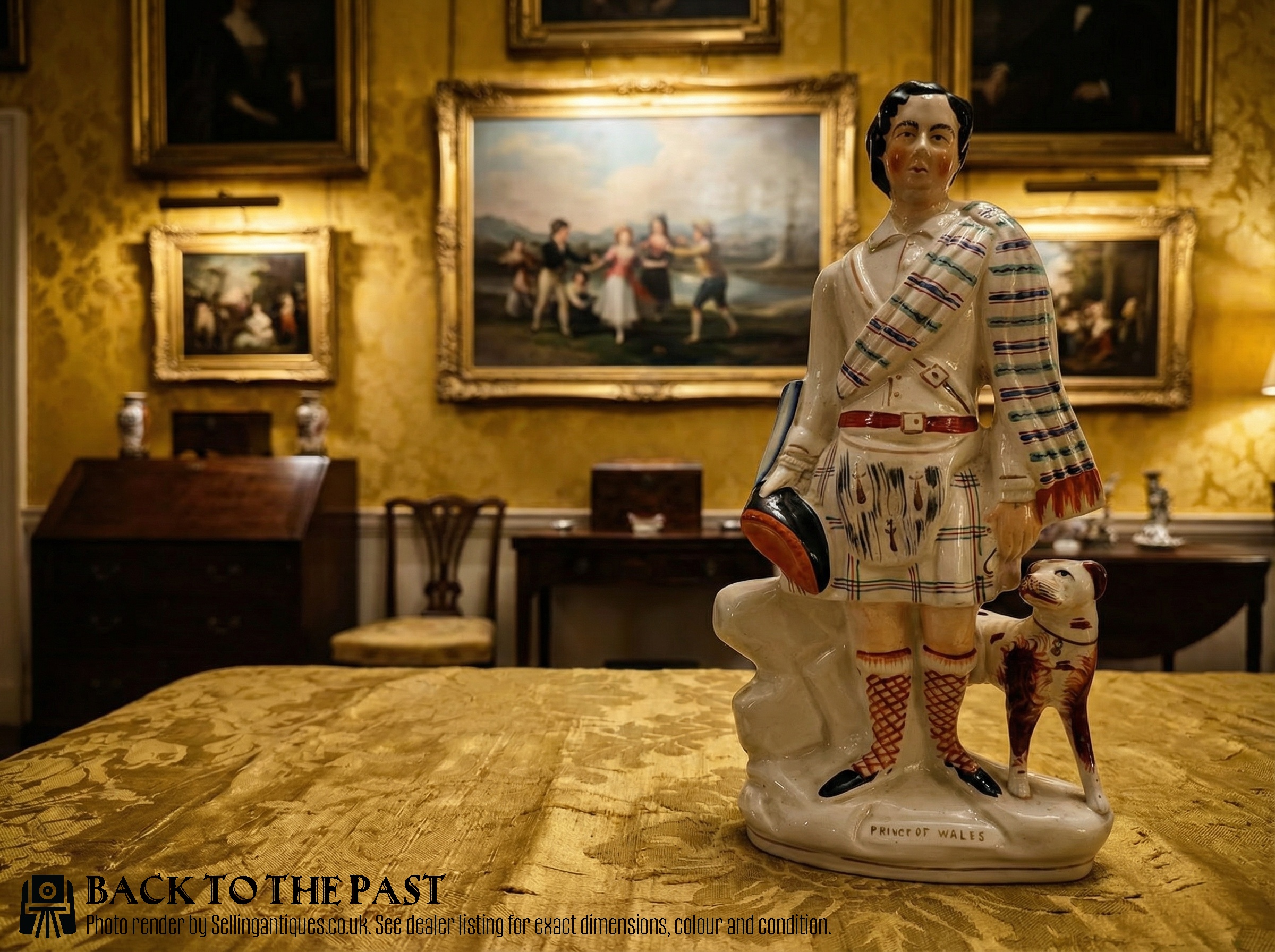
Makers shaped these sculptures from soft-paste porcelain, hard-paste porcelain, earthenware, and pottery bodies, often applying a white or coloured glaze before firing. Finer works received hand-painted enamel decoration, sometimes highlighted with gold leaf to accentuate garments and attributes.
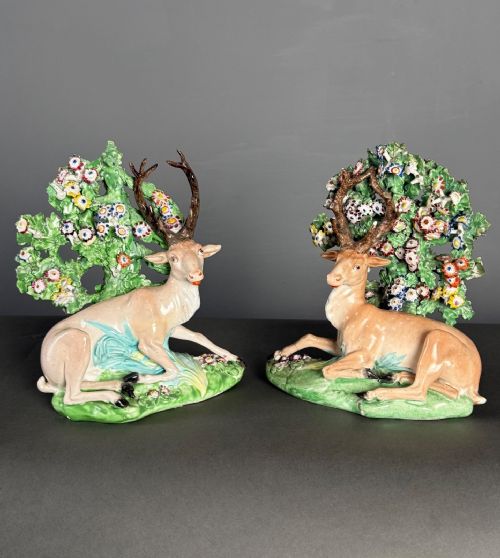
English and continental factories utilised moulds to form figures like the Derby stags or Staffordshire pairs, whilst studio potters and Eastern artists shaped individual pieces by hand. Subsequent kiln firings fixed the pigments into the glaze, securing the bright polychrome palettes seen across centuries of production.
Polychrome Ceramic Statue Retail Price Guide 2026
Typical asking prices for polychrome ceramic statue among the pieces listed under this phrase on Sellingantiques today, from the lower quarter to the upper quarter. They describe what is for sale here now, not the wider market.
Nineteenth-century German ceramic parrots peer down from mantelpieces with an expression of permanent, glazed judgement.
What varies in quality
Quality rests primarily in the sharpness of the modelling and the precision of the hand-painted enamel details. Superior pieces display crisp facial expressions, well-defined fingers and garments, and careful shading in the polychrome glaze.
Early eighteenth-century works and pieces from renowned factories or master modellers demonstrate greater sculptural ambition and depth in the ceramic body. Lesser examples rely on heavier casting, simpler painted washes, and standard factory output with less individual attention to finishing.
Volkstedt Rudolstadt Factory·Charles Vyse·Royal Doulton·John Bevington·Makuzu Kozan II
The Polychrome Ceramic Statue Glossary
- Polychrome
- Decorated in multiple colours. This term describes ceramics and statues painted with diverse enamel pigments rather than a single monochrome glaze.
- Biscuit porcelain
- Unglazed fired ceramic. It presents a matte, marble-like surface texture often utilised for neoclassical and nineteenth-century figures.
- Okimono
- Japanese decorative sculpture. These carved or modelled objects are designed for display on a shelf or cabinet rather than a formal altar.
- Earthenware
- Porous pottery fired at lower temperatures. It requires a glaze to become waterproof and forms the base for many traditional figures and majolica.
- Enamel
- Vitreous coloured glass fused to the ceramic surface during firing. It provides the vibrant red, blue, green and yellow hues characteristic of polychrome decoration.
Polychrome Ceramic Statue: Frequently Asked Questions
How do I clean an old ceramic statue?
Dust the surface gently with a soft, dry brush to prevent dirt accumulation without risking the painted enamel decoration.
Avoid using water, chemical cleaners, or abrasive cloths, as historic glazes and gold leaf can wear away easily under harsh treatment.
What is the difference between porcelain and earthenware?
Porcelain is fired at very high temperatures using fine white clay or paste, resulting in a vitrified, non-porous material that often rings when struck.
Earthenware uses coarser clay fired at lower temperatures, producing a heavier, opaque body that requires a glaze to seal the surface.
Were these figures meant for display?
Most of these statues served as decorative ornaments for mantelpieces, dining tables, and cabinet displays in wealthy homes.
Certain figures also carried symbolic, religious, or allegorical meanings, reflecting the cultural values of their respective periods.
How can I tell a nineteenth-century piece from an eighteenth-century one?
Earlier pieces often feature hand-modelled details, distinct kiln marks, and softer paste bodies influenced by early European ceramic experiments.
Later nineteenth-century works frequently employ sharper industrial moulding techniques, brighter mass-produced enamel colours, and stamped factory ciphers.