



White Pottery Figure
A white pottery figure brings nineteenth-century portraiture, animal studies, and historical scenes into domestic spaces through modelled ceramic form.
White Pottery Figure
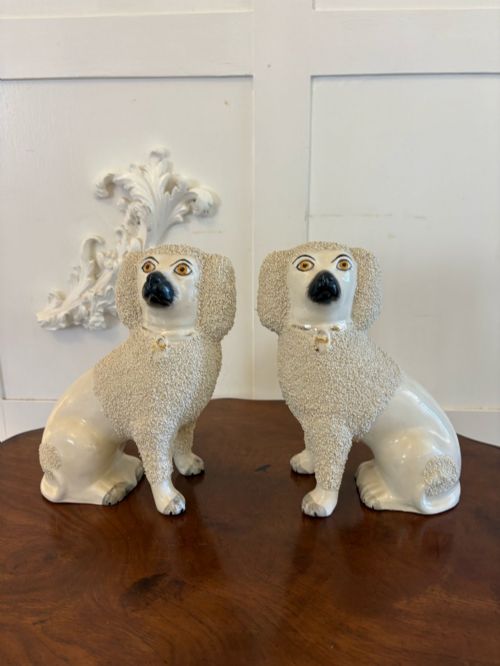
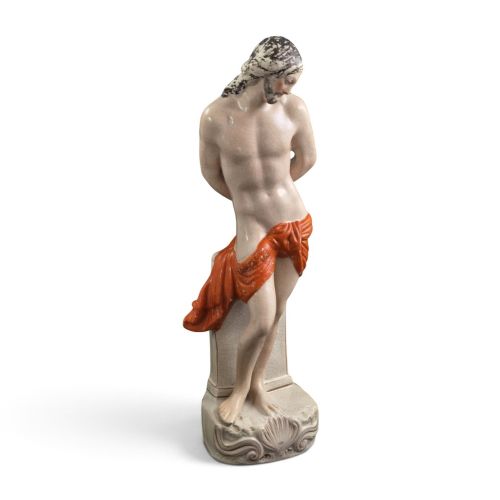
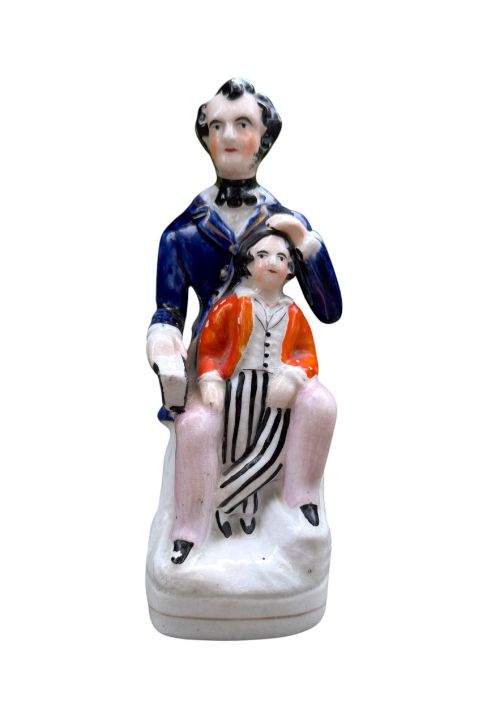
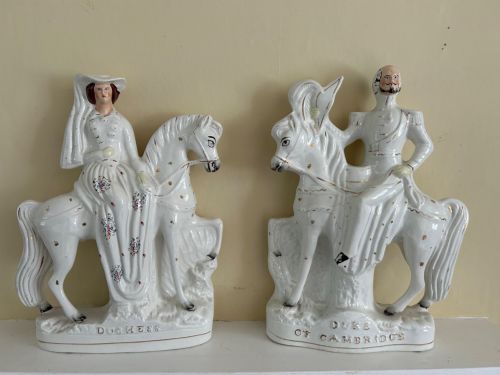
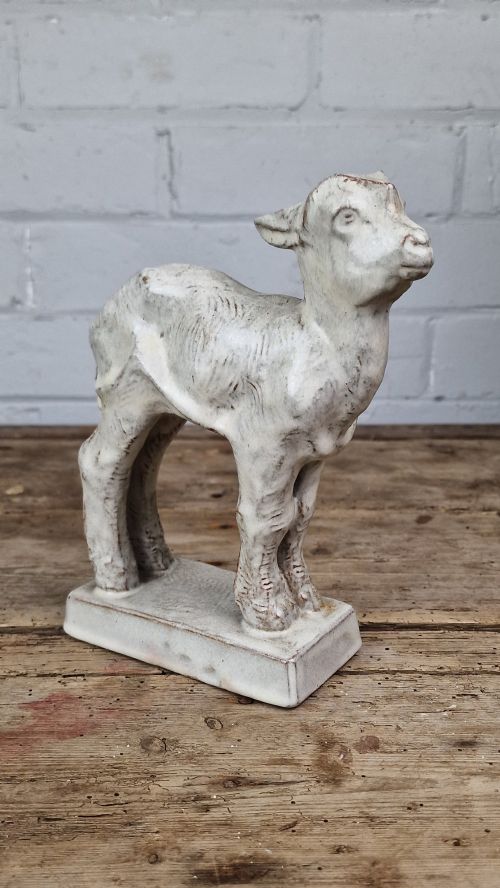
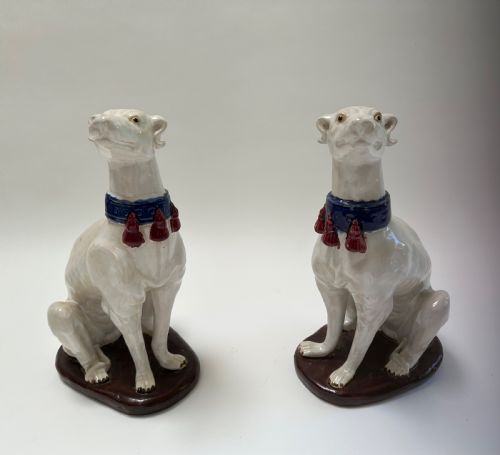
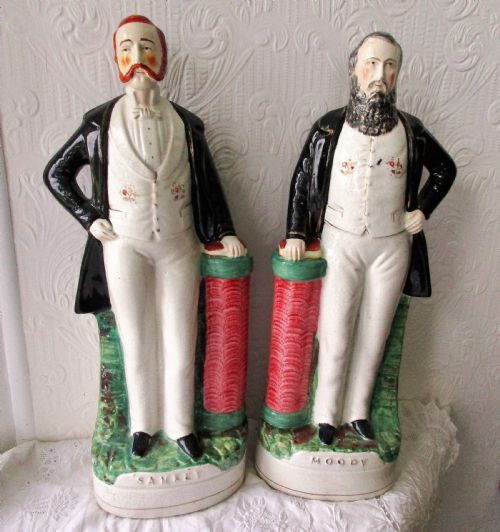
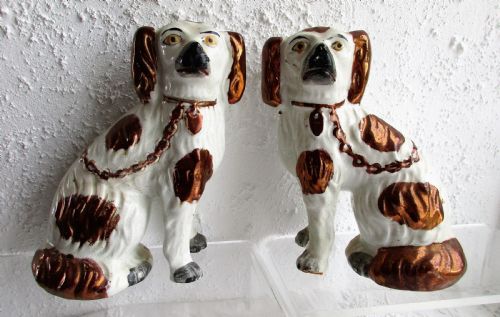
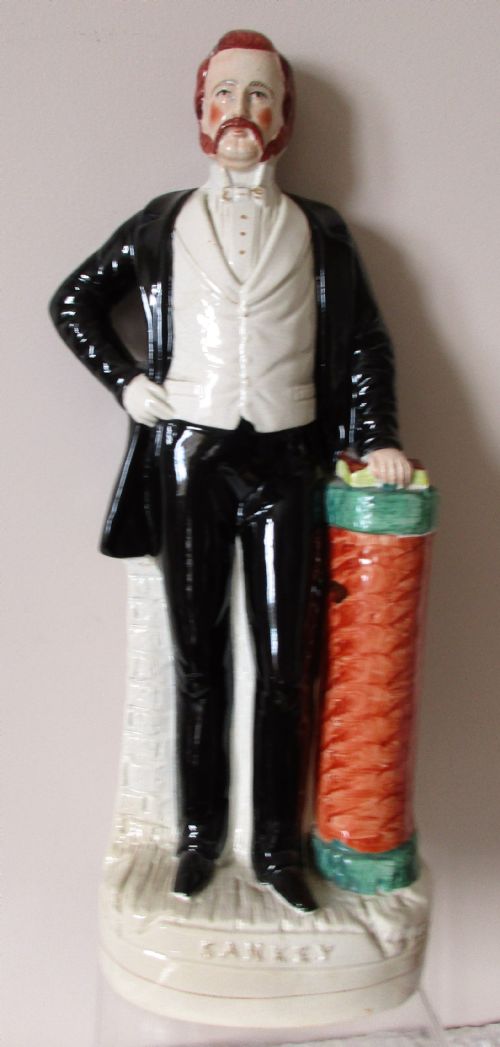
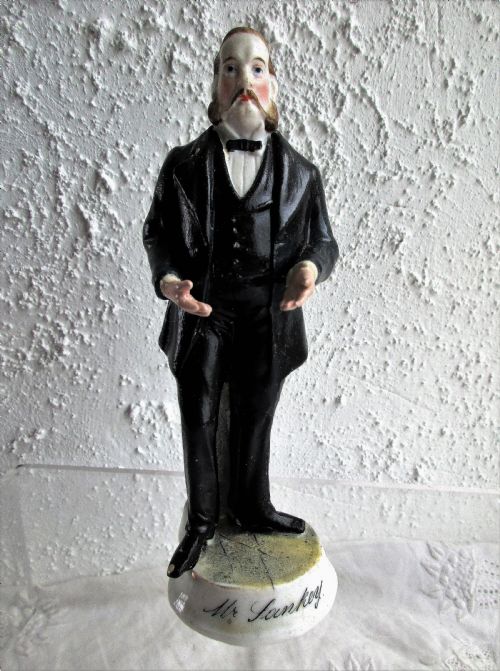
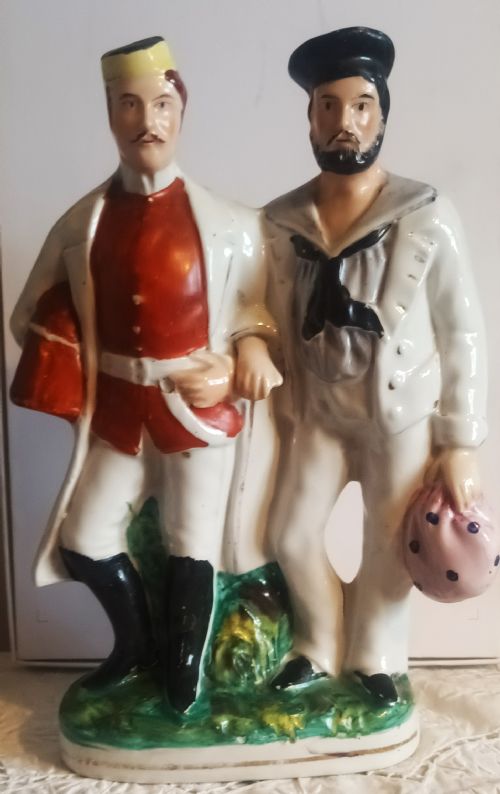
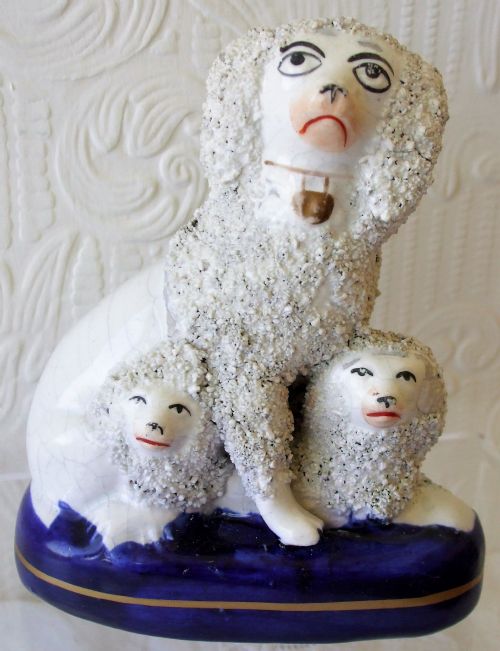
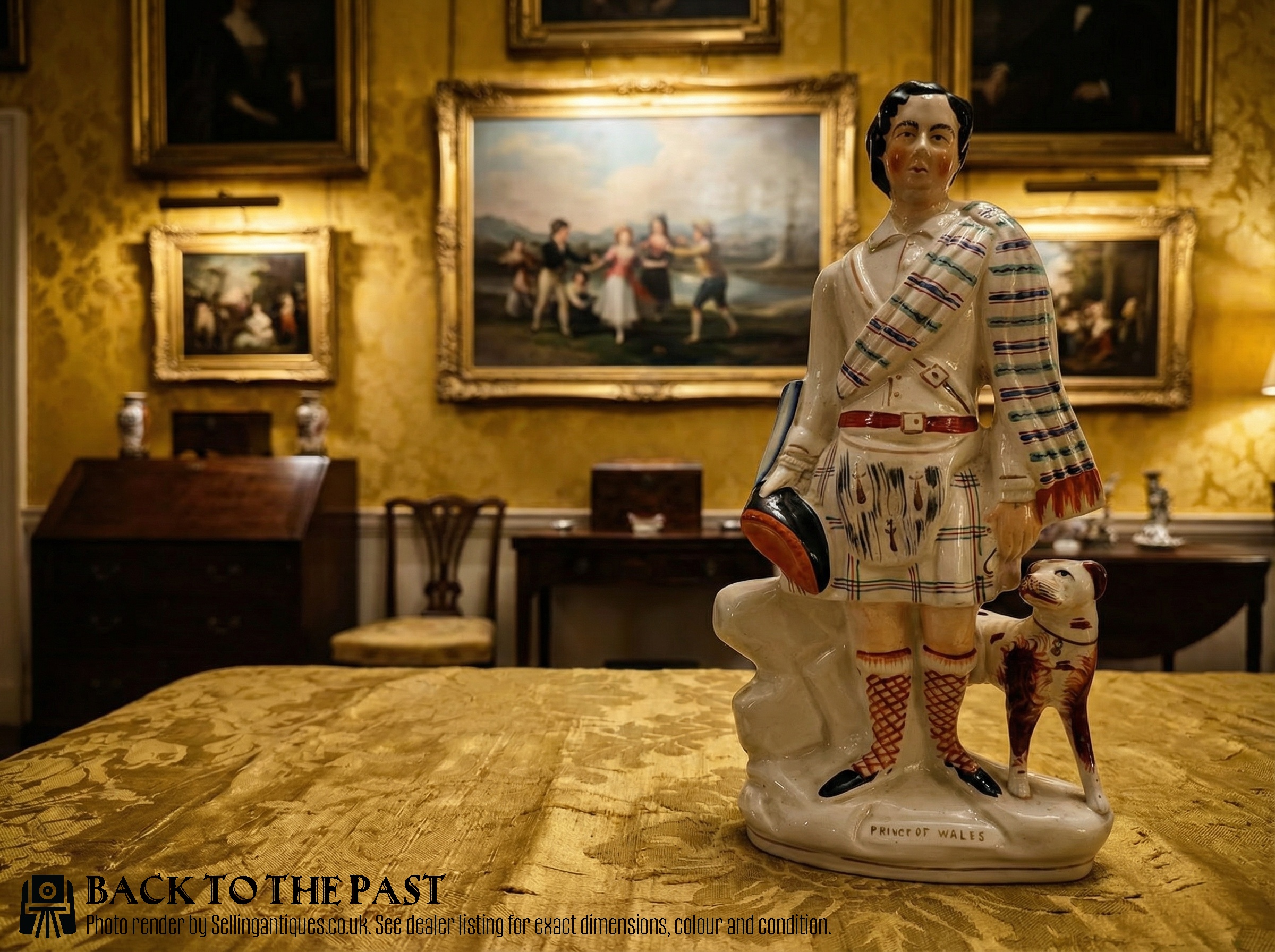
When you search for a white pottery figure on this page, you encounter nineteenth-century earthenware and porcelain works primarily originating from Staffordshire potteries alongside continental examples. These pieces take the form of portrait groups, animals such as poodles, spaniels, and greyhounds, and historical subjects.
The selections span flatbacks designed to stand against a mantelpiece wall, freestanding pairs, and functional objects like inkwells, watch holders, and money boxes. Victorian Staffordshire dominates the selection, accompanied by Dutch Delftware, French faience, and Art Deco terracotta models.
Materials and construction
Makers shaped these pieces using earthenware, pearlware, and porcelain, applying lead glazes and enamel paint to achieve surface colour. Gilt highlights and copper lustre additions often provide decorative contrast to the primary white glaze.
Moulds formed the body of these figures and animals, allowing workshops to produce consistent portrait groups and animal pairs. Potters then hand-painted details onto the dry or bisque-fired clay before a final kiln firing fixed the glaze and pigments.
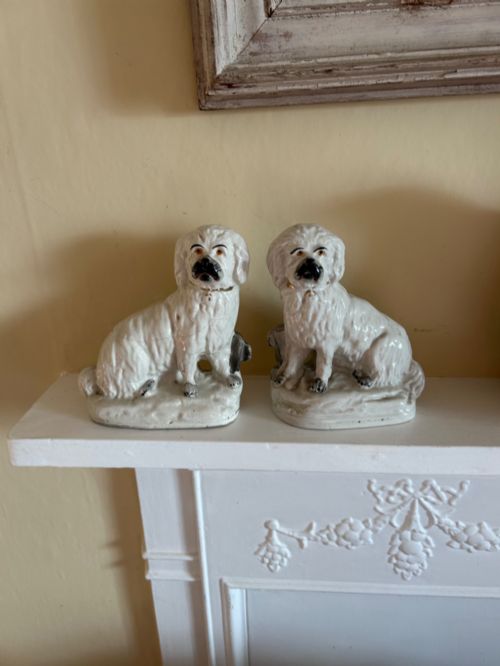
Stiffly modelled ceramic poodles and spaniels keep watch across the centuries, unmoved by changing fashions.
Distinctions in quality
The sophistication of the glaze application and the restraint of the gilt work separate standard production pieces from finer studio or factory output. Weight and balance in larger flatback figures also indicate the care taken during the original firing process.
Thomas Parr·Wedgwood·Wooley
The White Pottery Figure Glossary
- Flatback
- A figure modelled with a finished front and sides while the back remains flat, designed to stand directly against a wall on a mantelpiece.
- Pearlware
- A fine-grained earthenware developed in the late eighteenth century, featuring a subtle bluish tinge in the glaze that sits over a white body.
- Earthenware
- A porous ceramic body fired at lower temperatures than stoneware or porcelain, requiring a glaze to achieve impermeability.
- Lead glaze
- A glassy coating containing lead oxide applied to pottery before firing to create a glossy, protective surface layer.
White Pottery Figure: Frequently Asked Questions
What are flatback figures?
Flatback figures are ceramic pieces moulded with a detailed front and a flat, unadorned reverse side. This construction allowed them to sit flush against walls or on narrow mantelpieces.
Potters produced numerous historical, royal, and domestic subjects in this format during the Victorian period.
How were ceramic animal pairs used?
Ceramic animal pairs, particularly spaniels and poodles, served as decorative mantel ornaments in Victorian homes. They were traditionally placed facing inward towards each other at either end of a fireplace.
Some iterations also incorporated functional elements such as inkwells or money boxes into their design.
How do I identify Victorian pieces?
Victorian pieces often display characteristic nineteenth-century subjects, including royal portraits, literary characters, and military groups. The use of earthenware bodies with lead glazes and enamel paint is typical of this era.
Stylistic conventions of the period favour brightly coloured details set against white or tinted ceramic glazes.
What is pearlware?
Pearlware is an refined earthenware developed to imitate Chinese porcelain by incorporating a slightly bluish glaze over a pale body. It appears frequently on earlier nineteenth-century animal figures.
The subtle blue pooling in recessed areas helps distinguish it from standard creamware.