





Japanese Metalwork Figure
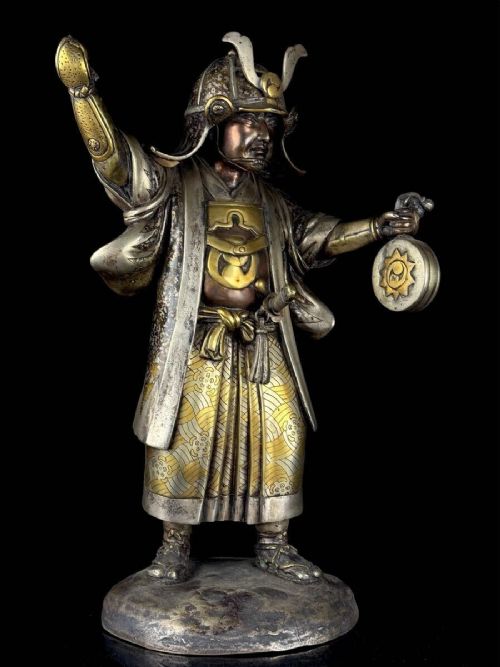
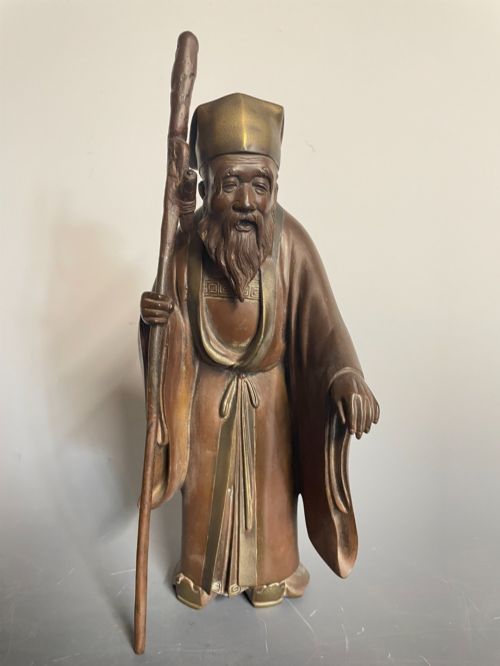
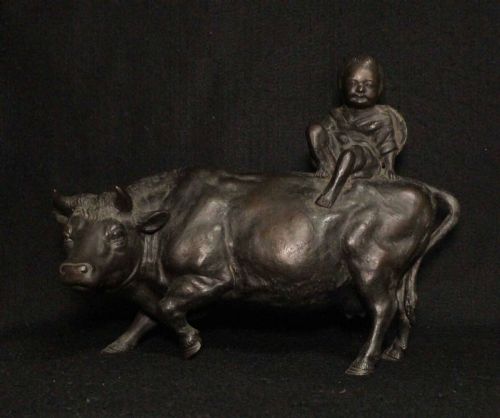
These Japanese metalwork figure pieces bring subjects from nature and folklore into solid bronze, brass, and mixed metals.
Japanese Metalwork Figure
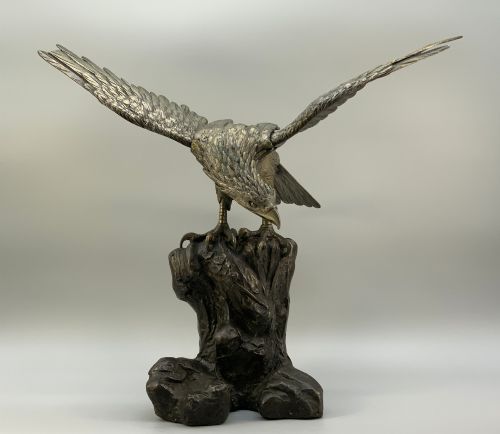
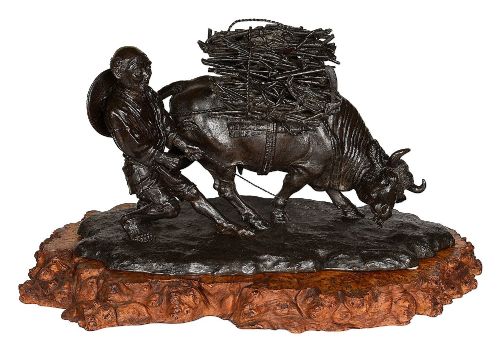
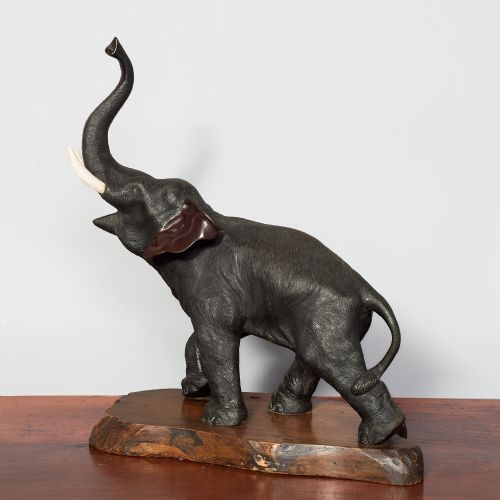
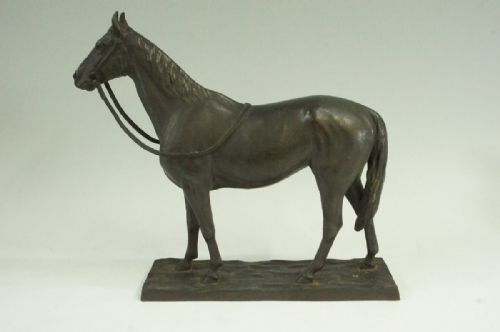
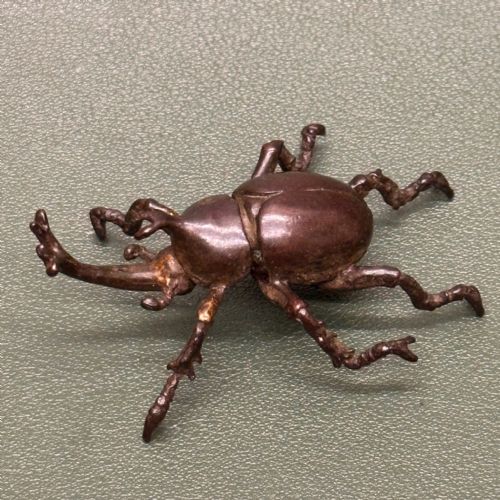
A Japanese metalwork figure typically takes the form of an okimono, which is a decorative object made for display rather than utility. These sculptures range from small depictions of rats, tarantulas, and rhinoceros beetles to large-scale representations of elephants, horses, and eagles.
The versions most common on this page date from the Meiji period and the early twentieth century. They present animals, birds, and figures such as scholars, demons, and geisha girls modelled with acute observation.
Subjects often interact with natural elements like root wood bases, or incorporate mixed metals and gold inlay to heighten their realism. The scale varies from intimate desktop objects to large freestanding sculptures.
Markers of Quality
Quality rests upon the precision of the casting and the fidelity of the natural observation. The finest examples capture musculature, feathers, and textures with exact anatomical conviction rather than general outline.
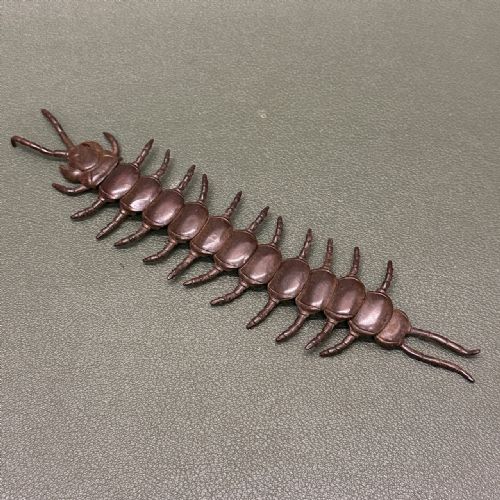
Articulated movement in centipedes or insects demonstrates advanced mechanical skill in the construction. The depth and subtlety of the patination, alongside the integration of gold inlay, separate standard foundry work from master pieces.
Japanese Metalwork Figure Retail Price Guide 2026
Typical asking prices for japanese metalwork figure among the pieces listed under this phrase on Sellingantiques today, from the lower quarter to the upper quarter. They describe what is for sale here now, not the wider market.
Several makers turned their attention to tiny creatures, casting articulated centipedes and rhinoceros beetles with moving parts.
Kunio Itô·Tsunemitsu·Sakai Kōzan·Unno Shomin·Gyoko
The Japanese Metalwork Figure Glossary
- Okimono
- A decorative object or sculpture intended for display on a shelf or in a tokonoma alcove. These Japanese pieces are typically cast in bronze or iron rather than carved from ivory or wood.
- Meiji Period
- The era in Japanese history lasting from 1868 to 1912, associated with rapid modernisation and the opening of trade with Western nations. Much of the finest decorative metalwork originates from this time.
- Patinated Bronze
- Bronze that has been treated with chemical solutions to produce a specific surface colour or tone. This process highlights details and gives the metal an aged appearance.
- Mixed-Metals
- The combination of different metallic elements such as copper, brass, and gold inlay within a single sculpture. This technique creates contrasting highlights and decorative patterns.
- Articulated
- Built with movable joints and segments that allow parts of the sculpture to flex. These pieces simulate the natural movement of creatures like centipedes and snakes.
Japanese Metalwork Figure: Frequently Asked Questions
What is an okimono?
An okimono is a Japanese decorative sculpture designed to be placed on display in a home. Unlike religious or functional objects, they exist purely to be appreciated for their artistry.
Most examples found in metalwork are cast in bronze or iron and depict animals, insects, or figures from daily life.
How do I identify Meiji period pieces?
Meiji period metalwork dates from between 1868 and 1912, an era when Japanese foundries produced exceptional decorative sculptures for international export. These pieces often display naturalistic subjects combined with intricate patination and signature marks.
Stylistic cues include dynamic animal poses and the use of mixed-metal details.
Are these figures solid bronze?
Many Japanese metalwork figures are cast using bronze, though construction methods vary depending on the size and complexity of the subject. Some larger sculptures or articulated pieces involve hollow casting and separate assembled components.
Foundries also utilised iron, copper, and brass alongside surface patination and inlay.