


Oriental Ceramic Figurine
An oriental ceramic figurine brings centuries of sculptural tradition into the home through sculpted clay and glazed porcelain.
Oriental Ceramic Figurine
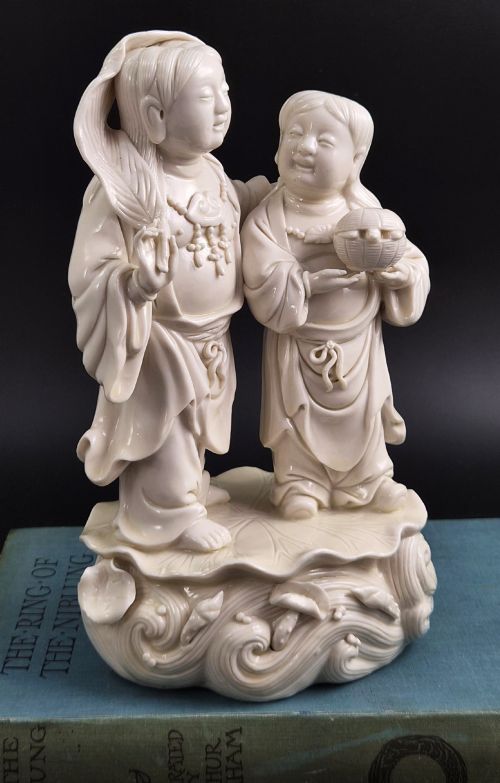
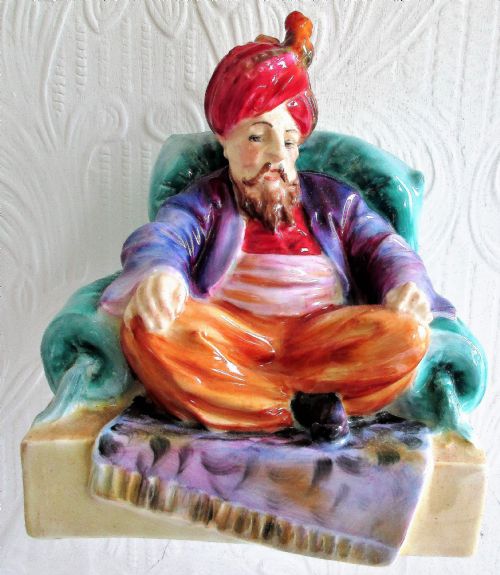
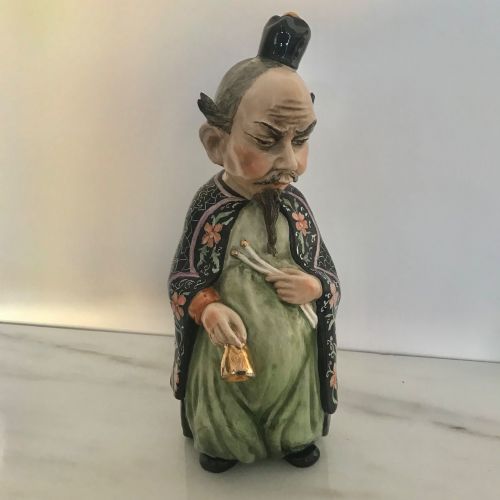
An oriental ceramic figurine represents human figures, deities, immortals, and animals modeled in clay, earthenware, or porcelain. When examining an oriental ceramic figurine on this page, the buyer encounters objects spanning dynasties, the Meiji period, and the Edwardian era.
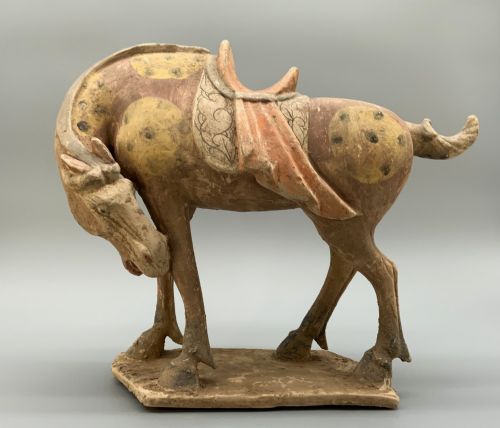
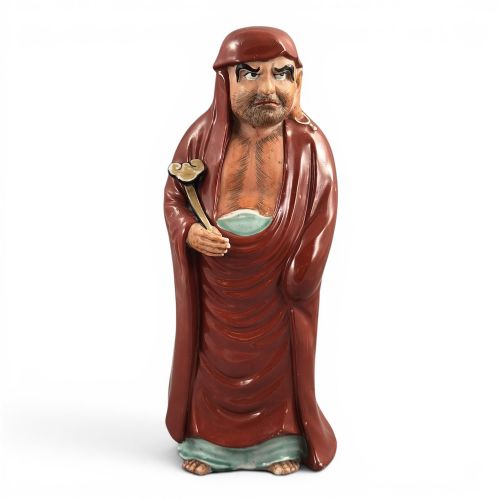
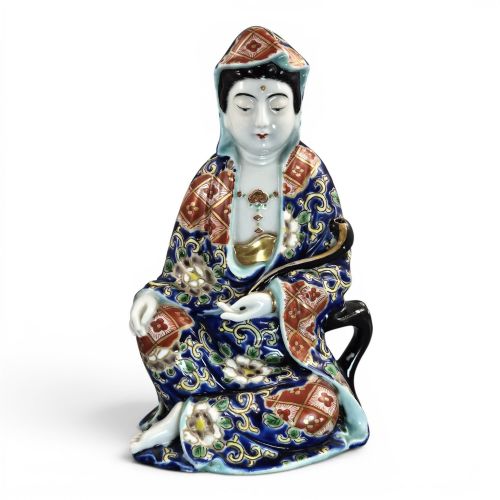
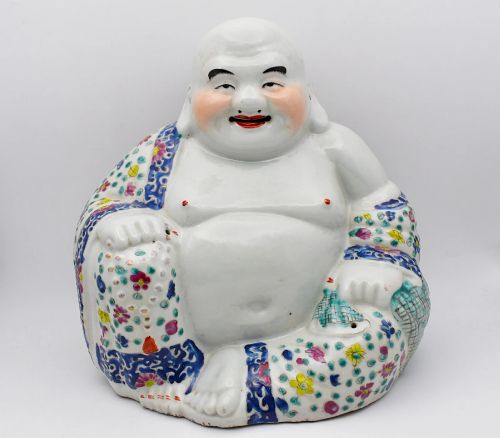
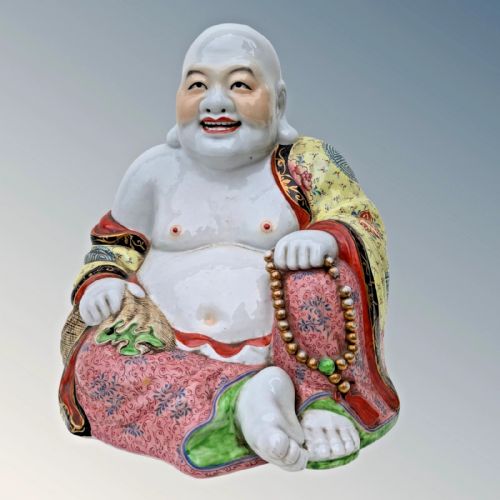
The selection includes specific figures such as Daruma, Kannon, Laughing Buddhas, and guardian lion dogs. These sculptures range from small tabletop ornaments to substantial pairs of ducks, cockerels, and horses.
Origins stretch across Chinese and Japanese kilns, utilising traditional forms from the Tang dynasty, Ming style, Qing period, and Japanese Meiji production.
How they were made
Potters shaped these figures from terracotta, earthenware, or porcelain clay, often utilising moulds or hand-modelling techniques before kiln firing. Glazes such as sancai, turquoise, and monochrome coatings were applied to seal the body and add colour.
Overglaze enamels, famille rose palettes, and gold leaf details were painted onto the fired ceramic surface, sometimes requiring an additional low-temperature kiln firing to fix the pigments.
Listings feature porcelain, earthenware, and terracotta forms decorated with enamel, glaze, and gold leaf across the 18th, 19th, and 20th centuries.
What varies in quality
The definition in the modelling determines the strength of the piece, separating crisp facial expressions and muscular detail from soft, indistinct contours. Finer examples display meticulous hand-painted enamel work and controlled glaze application without pooling or running.
The integrity of the ceramic body and the historical fidelity of the style, whether copying Ming models or producing Meiji period okimono, dictate the standing of the piece.
Makuzu Kozan II·Zhu Mao Ji
The Oriental Ceramic Figurine Glossary
- Okimono
- A Japanese ornamental statue or sculpture designed for display on a shelf or in a tokonoma alcove. These figures frequently depict deities, historical figures, or animals.
- Famille Rose
- A palette of opaque enamel colours dominated by pink or rose, introduced in Chinese ceramics during the Qing dynasty. This technique allowed for delicate pictorial detail on porcelain figures.
- Sancai
- A three-colour glaze technique characteristic of Tang dynasty pottery, typically combining green, amber, and creamy white tones. These glazes run naturally across the clay body during firing.
- Kutani
- Japanese porcelain or pottery traditionally produced in Ishikawa Prefecture, known for bold painted designs and rich overglaze enamels. Figures from these kilns often incorporate gilt highlights.
- Blanc de Chine
- A white porcelain produced at Dehua in Fujian province, China, lacking coloured glaze. The smooth, milky surface emphasises the sculptural form of religious figures like Guanyin.
Oriental Ceramic Figurine: Frequently Asked Questions
What is an okimono?
An okimono is a Japanese decorative carving or figurine made for interior display. These pieces traditionally depict cultural figures, mythological beings, and animals.
They emerged strongly during the Meiji period and showcase the high level of detail achieved by Japanese ceramicists and sculptors of the era.
How do I identify a Tang dynasty figure?
Tang dynasty figures, such as tomb attendants and pottery horses, typically employ low-fired earthenware with sancai lead-based glazes. The glaze colours tend to run and blend naturally on the terracotta body.
These ancient pieces reflect the funerary art customs of early Chinese burial practices.
Where were Japanese porcelain figures made?
Japanese porcelain figures were produced in regional kilns such as Arita, Kutani, and Bizen. Each region developed distinct methods, from Bizen unglazed stoneware to Kutani enamelled porcelain.
Kilns often drew inspiration from earlier continental styles while maintaining local traditions.