


Japanese Satsuma Figure
A japanese satsuma figure brings intricate hand-painted detail and rich historical presence into a room.
Japanese Satsuma Figure
A Japanese Satsuma figure represents traditional subjects such as deities, monks, and historical figures modelled in ceramic form. These pieces emerge predominantly from the Meiji period, alongside examples originating in the Edo and Taisho periods.
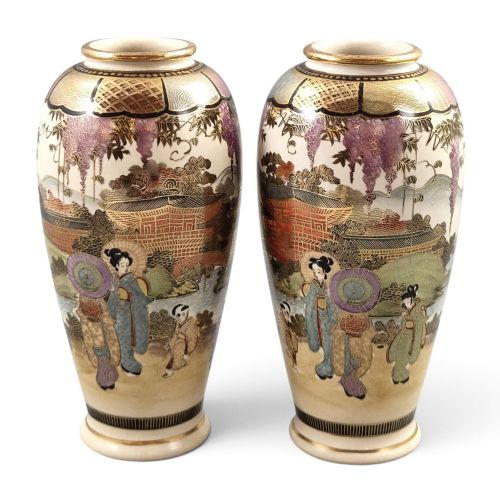
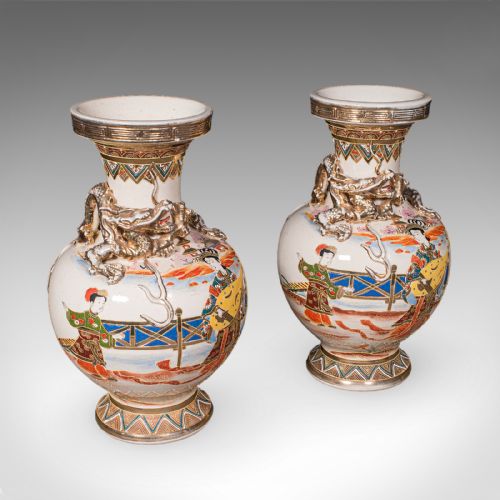
The selections available here range from okimono sculptures of figures like Daikoku and Hotei to decorative vessels decorated with figural scenes. Buyers encounter both standalone sculptural figurines and complex vases populated by detailed court figures and attendants.
Originating primarily from workshops in regions such as Kyoto and Tokyo, these works capture the decorative ambitions of late nineteenth and early twentieth-century Japanese ceramic art.
Materials and technique
Potters constructed these pieces using earthenware, porcelain, and ceramic bodies, often shaping them into baluster vases, bowls, and solid sculptural figures. Earthenware surfaces provided the porous ground necessary for the distinctive crackle-glaze finish characteristic of the ware.
Kiln techniques allowed for intricate cobalt blue grounds to be contrasted against white spaces reserved for meticulous figural painting.
Listings feature works spanning the Edo period through to the Taisho period, with a strong concentration of pieces from the Meiji era.
Distinctions in quality
Quality rests upon the precision of the brushwork and the complexity of the figural composition, where master painters rendered facial expressions and textile patterns with microscopic exactness. Lesser examples display repetitive motifs and heavier, less refined enamel application.
The presence of recognised workshop signatures, such as those from Kyoto makers or specific Meiji artists, elevates the standing of a piece within the field. Unsigned commercial export wares often show broader application of gilding and less disciplined drawing.
The integration of raised moriage work and the crispness of the underlying ceramic form further divide standard export pieces from exceptional artistic output.
Shozan·Kinkozan Kyoto·Kizan·Tokyo Taizan·Meizan
The Japanese Satsuma Figure Glossary
- Okimono
- A Japanese freestanding decorative figurine or sculpture intended for display on a shelf or in a tokonoma alcove. These carvings and ceramic figures often depict deities, historical personages, or animals.
- Moriage
- A decorative ceramic technique using piped clay or enamel to build up raised patterns and textures on the surface. This method creates a tangible, three-dimensional effect on robes and floral borders.
- Earthenware
- A porous pottery body fired at lower temperatures, which forms the primary substrate for traditional Satsuma wares. It is almost invariably covered in a finely crackled transparent glaze.
- Koro
- A traditional Japanese incense burner featuring a perforated cover to allow smoke to escape. These vessels often take tripod forms embellished with figural handles or shishi lion finials.
Japanese Satsuma Figure: Frequently Asked Questions
What is a Satsuma figure?
A Satsuma figure is a ceramic sculpture or decorative piece originating from Japan, typically produced during the late nineteenth or early twentieth century. These works portray human figures, deities, and mythological personages painted in rich enamels.
They reflect the traditional decorative arts of the Meiji period, combining detailed miniature painting with sculptural form.
How do I identify a Meiji period piece?
Meiji period pieces are identified through their distinct stylistic markers, including dense polychrome enamel decoration and extensive use of gilt and gold leaf. Many items from this era bear painted or impressed signatures on the base.
The historical context of the opening of Japanese trade in the nineteenth century heavily influenced the production of these export wares.
What is the crackle glaze on Satsuma ware?
The crackle glaze is a deliberate network of fine fissures across the transparent glaze layer of the earthenware body. It occurs due to the differential shrinkage rates of the clay body and the glass glaze during firing.
This characteristic crazing provides the pale, textured background required for detailed miniature enamel painting.
How should I display these pieces at home?
Display these items in stable environments away from direct sunlight to protect the delicate gold leaf and polychrome enamels from fading. Because many are earthenware or delicate ceramics, they require placement where they will not be bumped or disturbed.
Pairing okimono figures with plain wooden surfaces allows the intricate details of the painting to stand out.