






Bocage Porcelain Figurine
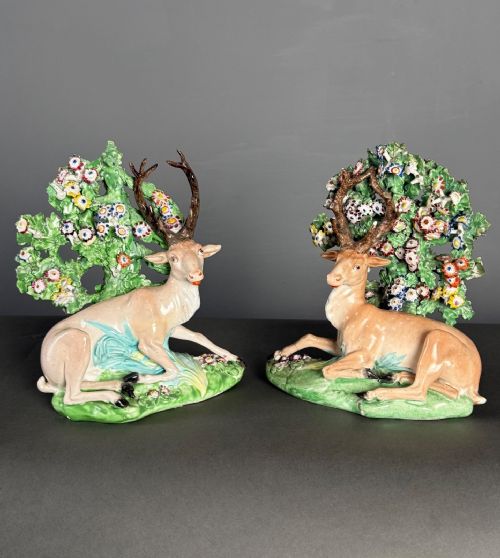
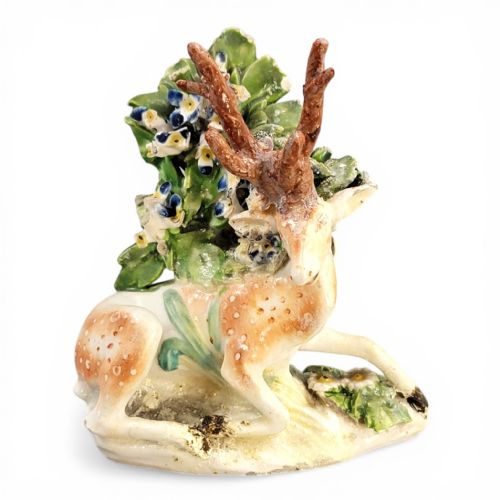
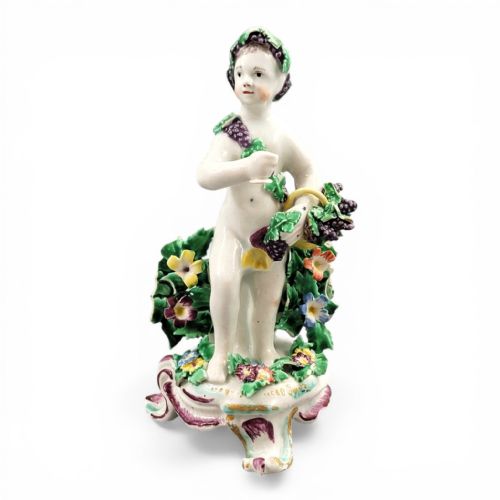
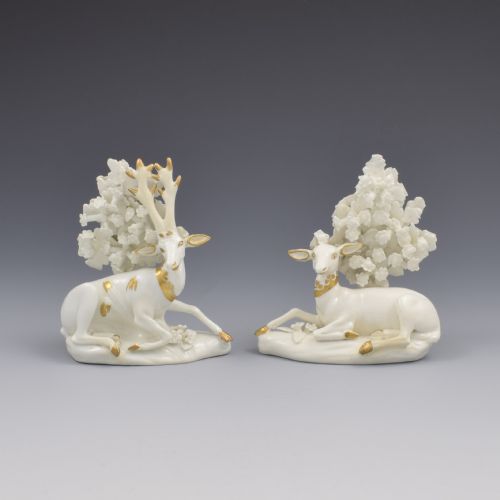
A bocage porcelain figurine brings eighteenth- and nineteenth-century ceramic sculpture into a room, framed by modelled leafwork and blossom.
Bocage Porcelain Figurine
When you search for a bocage porcelain figurine, you encounter sculptural figures surrounded by leafy shrubbery and floral backgrounds. These pieces originate across the eighteenth and nineteenth centuries, spanning Georgian and Victorian periods.
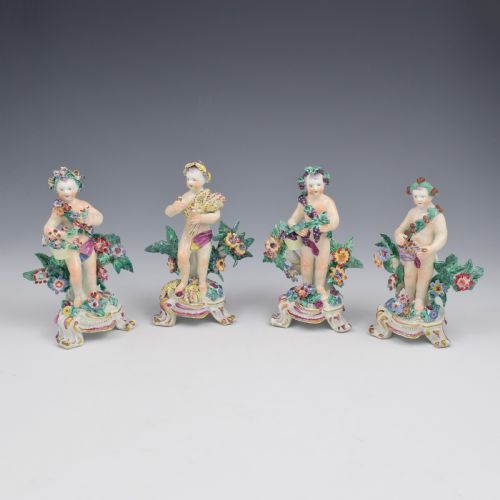
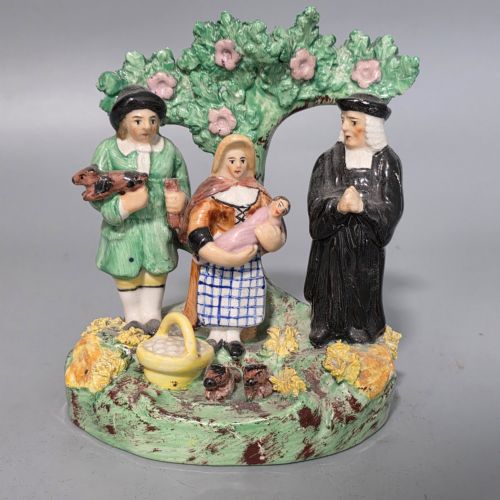
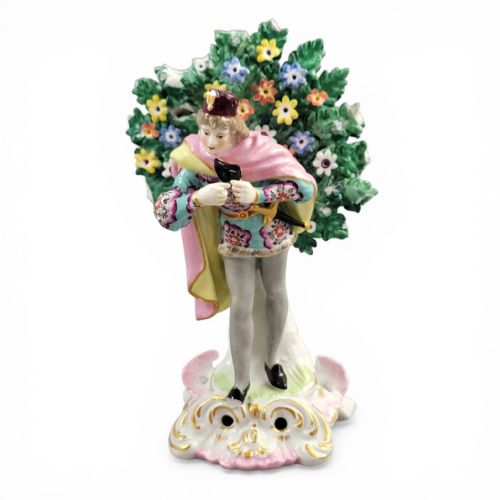
The selections here present figures from English factories such as Derby, Bow, and Chelsea, alongside later nineteenth-century French interpretations from Paris workshops. Animal groups, musicians, allegorical putti, and shepherd figures dominate the forms.
Candlesticks and spill vases also incorporate this leafy foliage behind the main subject. The background foliage acts as a natural frame, distinguishing these figures from simpler freestanding ceramic models.
Materials and technique
Potters constructed these figures using porcelain, soft-paste porcelain, and earthenware bodies. Artisans applied enamel paints in pastel hues directly onto the ceramic surface, often highlighting details with gilding and gold leaf.
The distinctive background foliage was formed by hand or moulded separately before being attached to the main body prior to firing. Enamels were fused in kiln firings to secure the coloration of the garments and natural elements.
A court hairdresser in early nineteenth-century porcelain proves that eighteenth-century styling obsessed ceramic artists just as much as mythological cupids.
Quality variations
The refinement of the modelling in the background leaves and facial expressions dictates the standing of a piece. Earlier eighteenth-century examples display crisper detailing in the applied foliage compared to later nineteenth-century revivals.
The application of enamel painting and gilding creates depth in the better examples. Pieces where the foliage remains largely intact show superior preservation, as the delicate ceramic leaves are prone to loss over centuries.
Derby Porcelain·Bow Porcelain·Chelsea Anchor Mark·Edmé Samson Paris·Bloor Derby
The Bocage Porcelain Figurine Glossary
- Bocage
- A decorative background of modelled leaves, branches, and flowers applied behind a ceramic figure. This convention mimics a leafy arbor or woodland setting.
- Soft-paste porcelain
- An artificial ceramic compound composed of clay, glass frit, and white sand, fired at lower temperatures than hard-paste porcelain. Eighteenth-century English factories utilised this material extensively.
- Putto
- A chubby male child figure, frequently depicted as a winged cherub in allegorical or mythological scenes. These figures appear often in sets representing the seasons.
- Patch mark
- A small unglazed scar on the underside of a porcelain piece left by the tripod supports used inside the kiln during firing. This feature helps date eighteenth-century Derby pieces.
- Spill vase
- A hollow ceramic vessel designed to hold taper candles or wooden spills used for lighting fires. They frequently incorporate figures and background foliage.
Bocage Porcelain Figurine: Frequently Asked Questions
What is a bocage?
A bocage is the dense sculptural foliage made of clay leaves and blossoms that surrounds the main ceramic figure. It creates a leafy backdrop reminiscent of an outdoor arbor.
Potters attached these delicate elements by hand before firing the piece in the kiln.
How do I date a piece?
Dating relies on identifying factory marks, paste types, and stylistic periods such as Georgian or Victorian. Eighteenth-century pieces generally show softer body textures and hand-mixed enamels.
Nineteenth-century revival pieces often exhibit brighter colours and heavier gilding methods.
Were these figures used as lighting?
Many examples function as figural candlesticks with sockets incorporated into the leafy background or held by the figures. Others serve purely as decorative ornaments or spill vases.
Candlestick versions combined practical illumination with domestic display.
How should I clean porcelain?
Dust these delicate figures gently with a soft, dry brush to protect the projecting leaves of the foliage. Avoid using water or chemical cleaners that might damage the surface enamels or gold leaf.
Display them away from direct sunlight and high traffic areas.