


Early Derby Porcelain
Early derby porcelain brings eighteenth-century figures and tablewares to the table, offering a tangible link to early British ceramic history.
Early Derby Porcelain
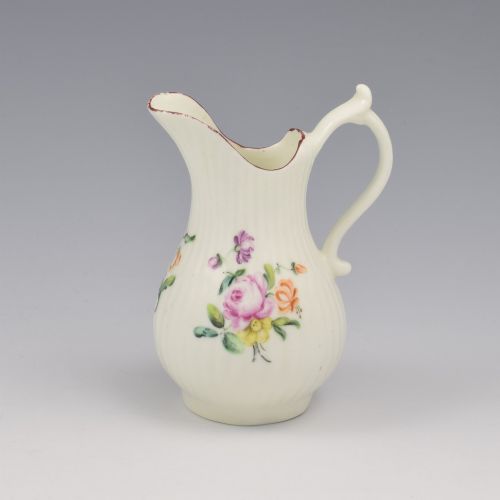
When you search for early derby porcelain, you find a varied mix of utilitarian vessels and decorative sculptures spanning the eighteenth and early nineteenth centuries. The pieces range from domestic cream jugs and plates to complex figural groups depicting mythological and pastoral subjects.
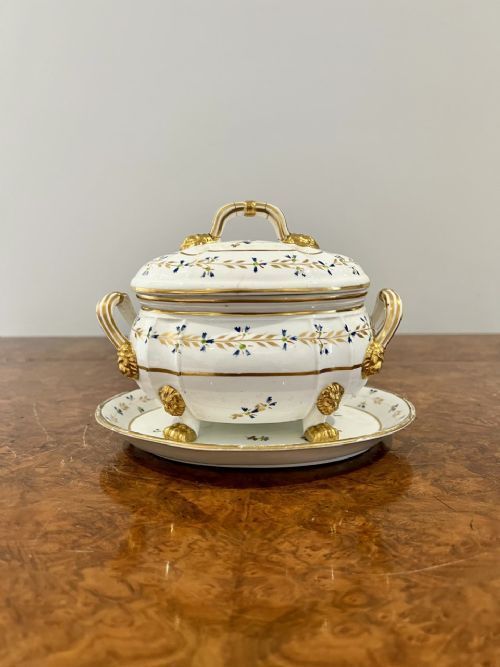
Figurines and figure groups dominate the selection, often portraying shepherds, classical deities, and allegorical scenes from the mid-eighteenth century. You also encounter functional tableware items including tureens, butter tubs, tea bowls, and sauce boats painted in delicate enamels or blue and white.
The objects originate primarily from the eighteenth century, particularly the Georgian period, alongside pieces from the early nineteenth century and later royal crown derby production. This mixture reflects the shifting tastes of early ceramic manufacture from simple utilitarian forms to elaborate sculptural displays.
Materials and production techniques
Early makers utilised soft-paste porcelain and bone china as the primary body materials for shaping vessels and figures. Soft-paste porcelain required careful firing and provided a smooth ground for subsequent painting.
Decoration relied on hand painting with enamel colours, overglaze enamel, and the application of gold leaf and gilding to highlight details. Blue and white pigments also appeared on early sauce boats and tablewares, drawing inspiration from Chinese ceramic designs.
The site listings feature eighteenth-century soft-paste porcelain alongside nineteenth-century bone china, covering both utilitarian vessels and elaborate figural sculpture.
Qualities that separate the grades
The complexity of the modelling shapes the ambition of the sculpture, seen in multi-figure groups like Father Time clipping cupid's wings compared to simpler single figures. Superior items maintain crisp detail in the moulded elements and careful placement of the gilding.
William Duesbury Co
The Early Derby Porcelain Glossary
- Soft-paste porcelain
- A ceramic composition made from white-firing clay mixed with ground glass and other ingredients, fired at lower temperatures than hard-paste porcelain. It is characteristic of early English factory production.
- Patch period
- A phase in early derby manufacturing identifiable by distinctive circular kiln-prop marks left on the unglazed bases of figures. These marks help date specific eighteenth-century pieces.
- Biscuit figure
- An unglazed white porcelain sculpture that has undergone a single firing to retain a matte, marble-like texture. This finish highlights the sculptural modeling of figures without the distraction of glaze.
- Overglaze enamel
- Pigments applied on top of the fired glaze and fixed with a subsequent low-temperature firing. This technique allows for a broad palette of bright colours on plates and figures.
- Imari
- A decorative style featuring dense cobalt blue and iron red patterns enhanced with gold leaf, borrowed from Japanese export wares. It appears on plates, comports, and miniature sets across different periods.
Early Derby Porcelain: Frequently Asked Questions
What is early derby porcelain?
Early derby porcelain encompasses figures, tableware, and decorative items produced by the Derby factory during the eighteenth and early nineteenth centuries. These items include soft-paste porcelain figures, hand-painted plates, and functional vessels.
Collectors prize them for their artistic modelling and historical connection to early English ceramic manufacturing. The selection ranges from domestic cream jugs to large sculptural figure groups.
How do I identify patch period pieces?
Patch period figures show small unglazed circular marks on the base where the item rested on kiln props during firing. These marks serve as a reliable indicator of eighteenth-century manufacture.
Looking at the weight, glaze consistency, and hand-painted palette helps confirm the age and origin of these early figures.
How were these porcelain figures used?
Tableware items such as cream jugs, tureens, tea bowls, and sauce boats served functional roles in Georgian dining and tea service. They brought colour and pattern to the table during formal meals.
Figurines and sculptural groups functioned primarily as ornamental displays on mantelpieces and side tables. They reflected contemporary interest in classical mythology and pastoral life.
How should I care for soft-paste porcelain?
Soft-paste porcelain requires gentle handling due to its porous body and delicate overglaze enamels or gilding. Keep pieces away from abrasive cleaning materials and damp environments to protect the painted surfaces.
Display items securely on stable surfaces to prevent accidental knocks, as the delicate limbs on figures are vulnerable to damage.