


18th Century Ceramics
These 18th century ceramics offer tactile links to Georgian life, spanning delicate coffee cups and robust delftware bowls.
What these pieces are
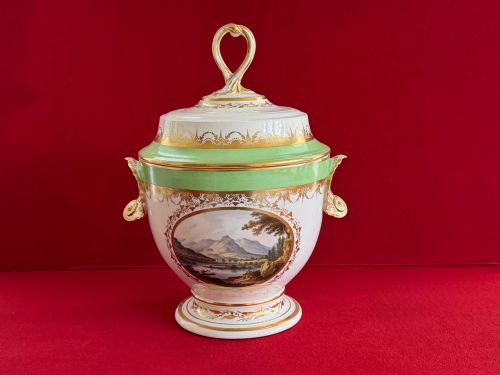
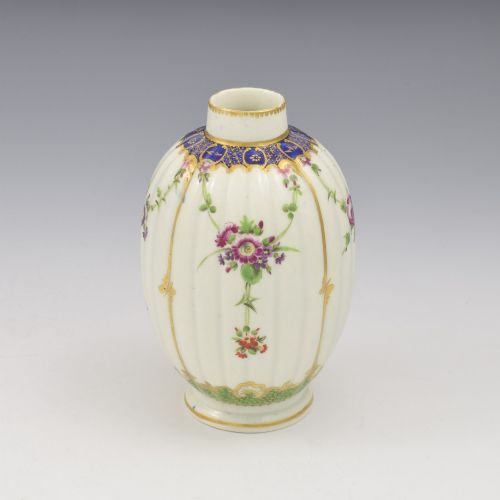
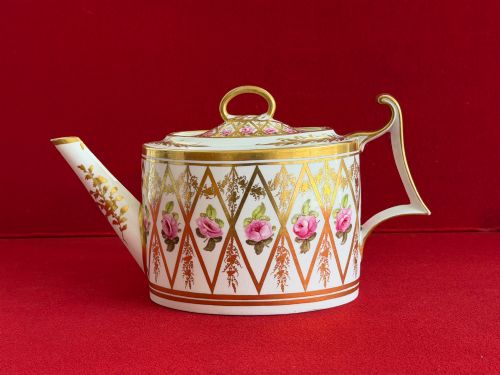
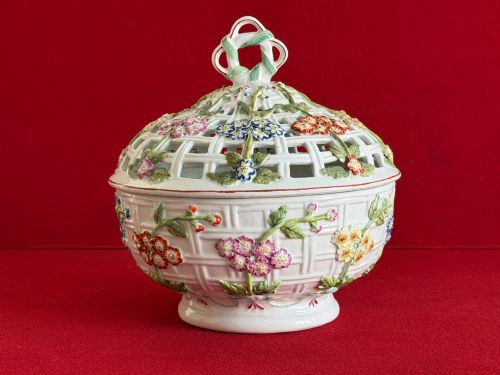
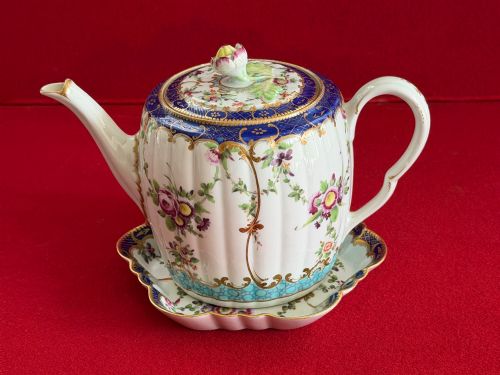
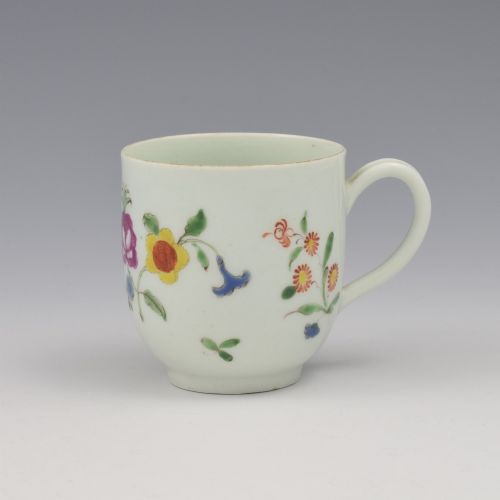
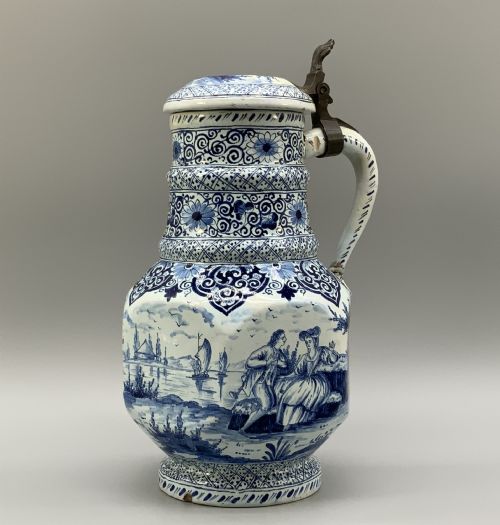
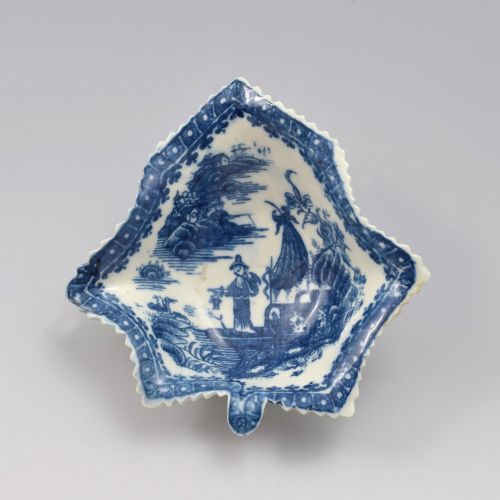
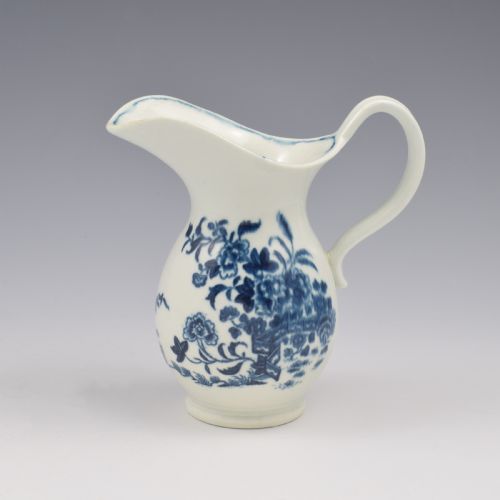
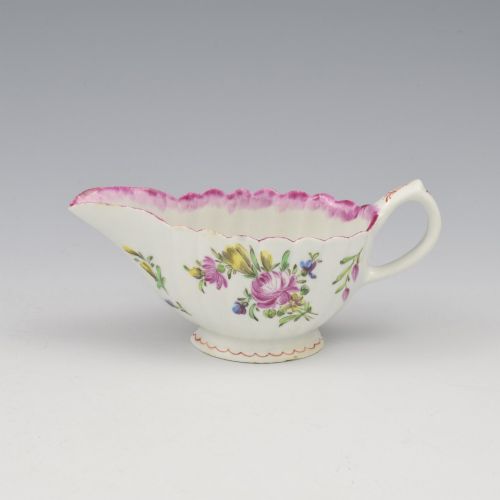
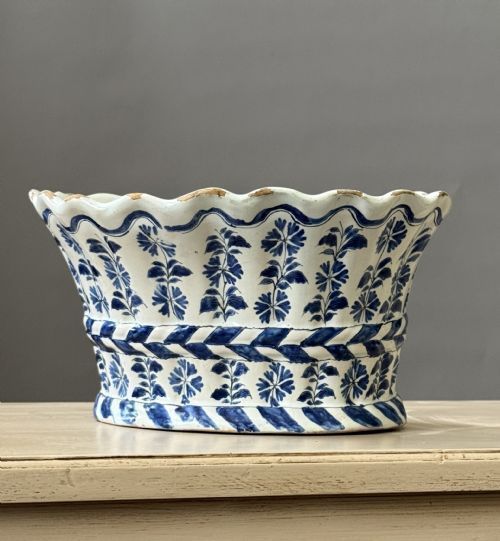
The delftware tradition appears frequently on this page, represented by bowls and plates finished in tin-glazed earthenware. Alongside these tin-glazed pieces, English porcelain makes a strong showing through items attributed to factories like Richard Chaffers and early Derby.
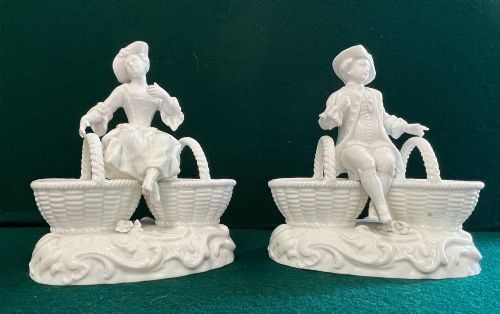
Forms range from individual coffee cups to matched sets of three plates and decorative pairs of animal figurines. Each object captures the material culture of the eighteenth century through distinct regional styles and glazing methods.
How they were made
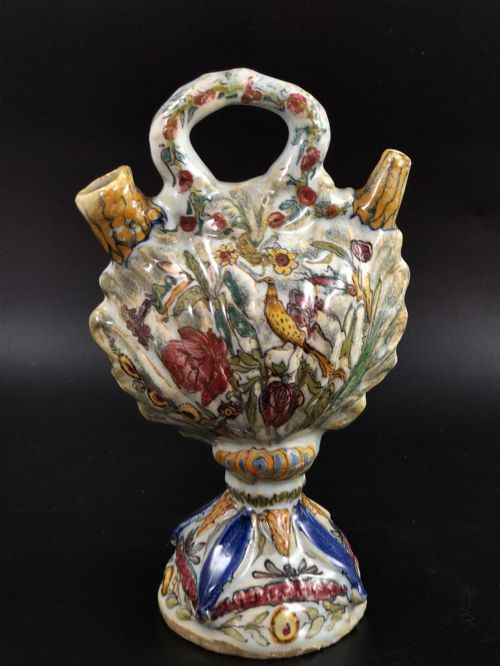
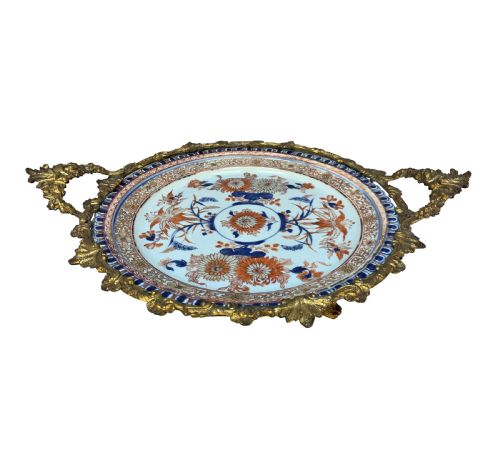
Potters utilised earthenware and soft-paste porcelain as foundational bodies, applying tin glaze or enamel surfaces to seal and decorate the ceramic substrate. Overglaze enamel painting added vibrant polychrome details to figurines and plates after initial kiln firings.
Techniques varied between English porcelain manufactories and traditional delftware potteries, resulting in distinct weights and surface textures across the selection. Artisans shaped cups, plates, and hollow figures by hand or mould before applying opaque white tin glazes or translucent porcelain washes.
Retail Price Guide 2026
Typical UK retail prices for 18th century ceramics, calculated from the Sellingantiques database of over a million retail prices indexed since 2003. This retail price guide relies exclusively on Sellingantiques data; no external sources or auction records are used, so the figures do not describe the wider market.
Current listings feature porcelain, enamel, and tin-glazed earthenware across Georgian and 18th century Dutch styles.
What varies in quality
Quality rests in the crispness of the hand-painted enamel and the uniformity of the tin glaze across the surface of a plate or bowl. Finer porcelain bodies display greater translucency, while superior delftware exhibits controlled pigment application without excessive pooling.
The precision of the form and the clarity of painted motifs distinguish standard domestic wares from exceptional factory productions like early Derby or Richard Chaffers porcelain. Finer examples retain their original painted palette and structural integrity with minimal surface degradation.
Richard Chaffers·Early Derby
The 18th Century Ceramics Glossary
- Tin-Glazed Earthenware
- Earthenware covered with an opaque white glaze containing tin oxide, providing a smooth white background for painted decoration. This technique defines traditional delftware production.
- Soft-Paste Porcelain
- A ceramic material composed of clay and glass frit, fired at lower temperatures than hard-paste porcelain. It yields a warm texture and a slightly creamy translucent body common in eighteenth-century English wares.
- Overglaze Enamel
- Pigments applied over a fired and glazed ceramic surface, requiring a subsequent low-temperature firing to fuse the colours. This method allows for bright polychrome details on plates and figurines.
- Polychrome
- Decoration employing multiple distinct colours, frequently seen in eighteenth-century ceramic palettes. Artists used mineral pigments to create detailed pictorial scenes and patterns.
Frequently Asked Questions
What defines 18th century ceramics?
These pieces comprise functional and decorative items produced during the Georgian period, utilising materials such as soft-paste porcelain and tin-glazed earthenware.
They reflect the domestic habits and decorative tastes of the eighteenth century through regional pottery traditions.
How do I care for delftware?
Keep tin-glazed earthenware away from harsh cleaning agents and extreme temperature shifts to protect the porous ceramic body and glaze.
Display these items in stable indoor environments to preserve their historic surfaces.
What is soft-paste porcelain?
Soft-paste porcelain is an artificial ceramic composition fired at lower temperatures than true hard-paste porcelain.
English factories utilised this formulation extensively during the eighteenth century for teawares and decorative plates.
How are porcelain and earthenware different?
Porcelain is vitrified and often translucent, whereas earthenware remains porous until coated with a tin glaze or other sealant.
This fundamental material distinction influences the weight, opacity, and ringing sound of each piece.
What is polychrome decoration?
Polychrome decoration involves the use of multiple coloured pigments painted onto the surface of a ceramic object.
This technique adds visual depth and varied hues to eighteenth-century plates, bowls, and figures.