




Antique Porcelain Group
An antique porcelain group is a figurative sculpture capturing multiple human or pastoral figures, prized for intricate detailing.
What an antique porcelain group is
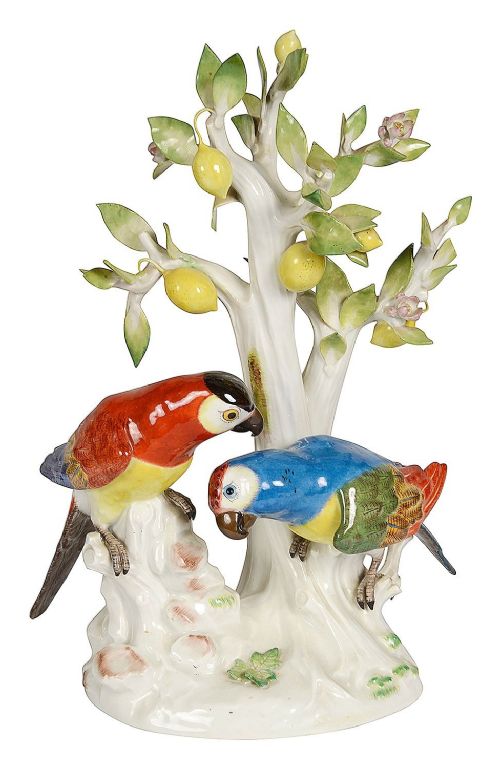
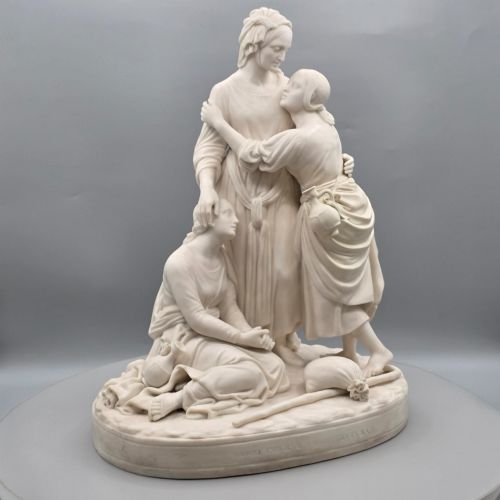
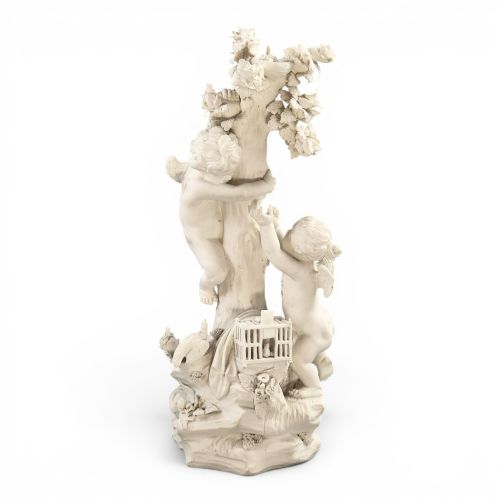
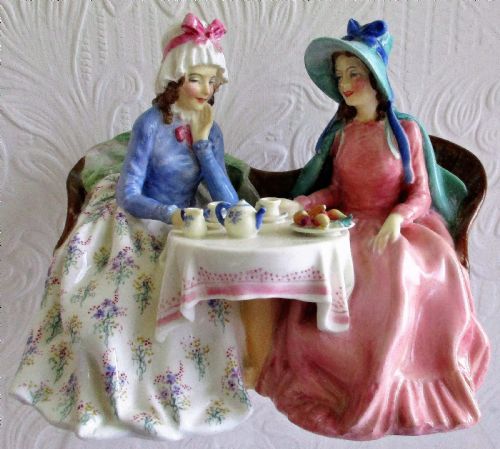
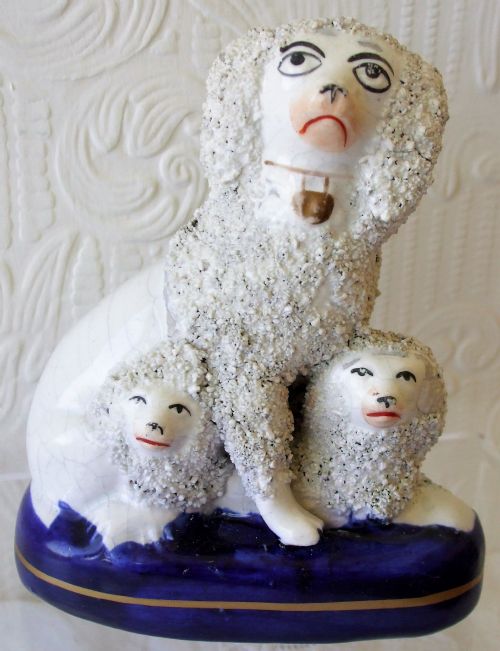
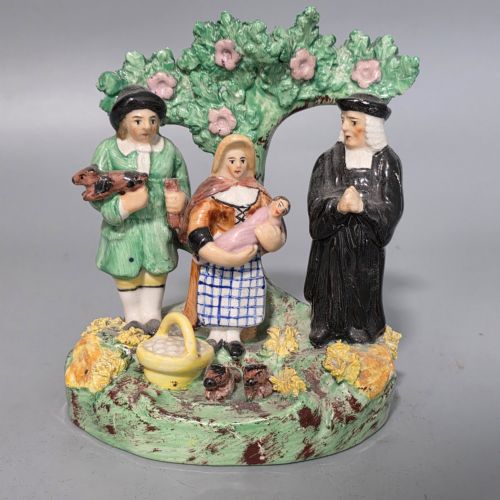
An antique porcelain group portrays multiple figures in narrative or pastoral scenes, originating primarily in the nineteenth century and the Victorian era. These sculptural works take the form of decorative sculptures, porcelain figures, and figurines representing courting couples, classical themes, or playful domestic moments.
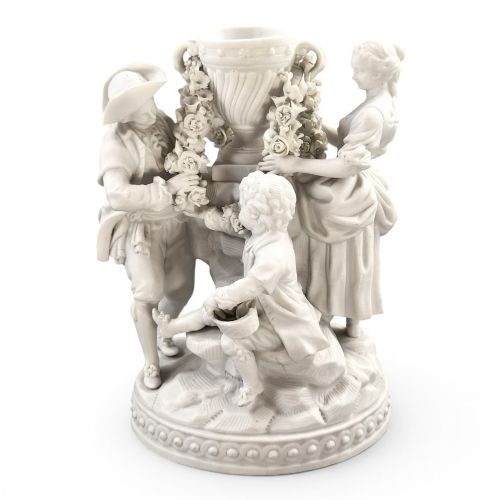
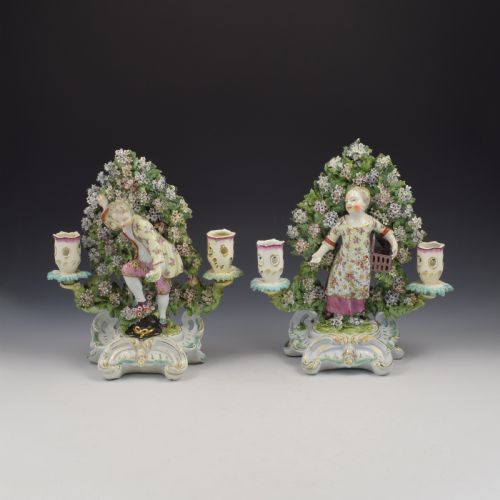
The pieces appearing on this page draw upon French Rococo Revival, Rococo, and Georgian styles, reflecting the aesthetic preferences of their makers. Common subjects involve detailed groupings such as sculptural arrangements with floral garlands or figures gathered near classical busts.
How they were made
Makers utilised hard-paste porcelain and biscuit porcelain as the foundational body for these figures, often employing intricate moulding techniques. Biscuit porcelain offered an unglazed, matte finish resembling marble, while hard-paste porcelain provided a durable, vitrified base capable of holding fine sculptural details.
Surface decoration involved applied enamel colours and gilding or gold leaf highlights to accent garments, floral garlands, and architectural elements. These decorative layers were fixed through subsequent kiln firings to secure the pigments and metallic lustres.
Court hairdressers and apple pickers feature among the bustling human cast of these porcelain scenes.
What varies in quality
Quality rests in the crispness of the modelling and the delicacy of applied details such as floral garlands and facial expressions. Superior examples display fine hand-painting in the enamel work and precise application of gilding without messy bleed into adjacent glazed areas.
The complexity of the sculptural composition also differentiates pieces, with multi-figure groups requiring advanced technical skill during firing to prevent warping or cracking. Earlier works and pieces from established factories generally demonstrate superior attention to anatomical proportion and surface finish.
Meissen·Derby·Minton·Eugene Clauss·Rudolstadt·Samson
The Antique Porcelain Group Glossary
- Biscuit porcelain
- Unfired-glaze porcelain that has a matte, porous texture resembling marble. It is frequently utilised for sculptural groups to highlight fine modelling.
- Hard-paste porcelain
- A durable ceramic paste composed of kaolin and petuntse fired at high temperatures. It forms a dense, white body that resists scratching.
- Gilding
- The application of gold leaf or gold powder to ceramic surfaces for decorative accent. It provides metallic highlights on garments and bases.
- Rococo Revival
- A nineteenth-century design style drawing on eighteenth-century asymmetrical scrollwork and natural motifs. It is common in French and English porcelain figures.
Frequently Asked Questions
What is an antique porcelain group?
An antique porcelain group is a multi-figure sculptural ceramic piece depicting humans, animals, or allegorical scenes. These objects served as ornamental table or mantel decorations during the nineteenth century.
They combine modelling, enamel painting, and gilding to create detailed narrative scenes, often influenced by Rococo or Georgian aesthetics.
How were these figure groups displayed?
Owners placed these sculptural groups on mantelpieces, central display tables, or within decorative cabinets in Victorian parlours. Their detailed composition invited close inspection from guests.
Some larger examples were later adapted into lamp bases, combining decorative sculpture with functional household lighting.
How do I identify nineteenth-century pieces?
Nineteenth-century porcelain groups often feature characteristic paste types, characteristic enamel palettes, and specific sculptural styles like Rococo Revival. Factory marks on the underside can provide further contextual clues.
Stylistic elements such as floral garlands and classical drapery help distinguish the manufacturing period and regional origin of the figurine.