


Vieux Paris Porcelain
Vieux Paris porcelain combines bold hand-painted scenes, rich gilding and sculptural elegance, offering a sophisticated centrepiece for any traditional interior.
What vieux paris porcelain is
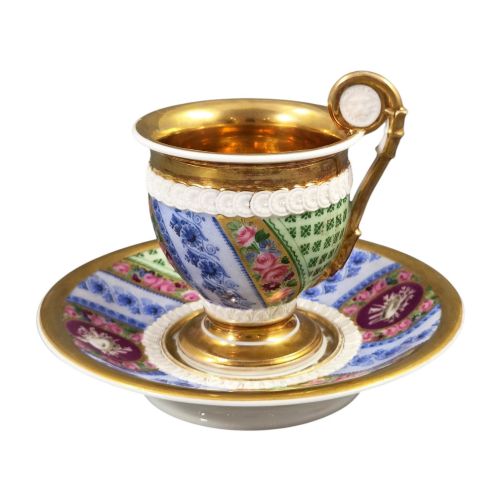
Vieux Paris porcelain encompasses decorative and functional wares produced across various Parisian workshops during the nineteenth century, including the Georgian, Victorian and broader nineteenth-century eras. When searching for vieux paris porcelain, buyers encounter a diverse range of forms, from cabinet cups and saucers to decorative sculptures, figurines, centrepiece bowls and urn vases.
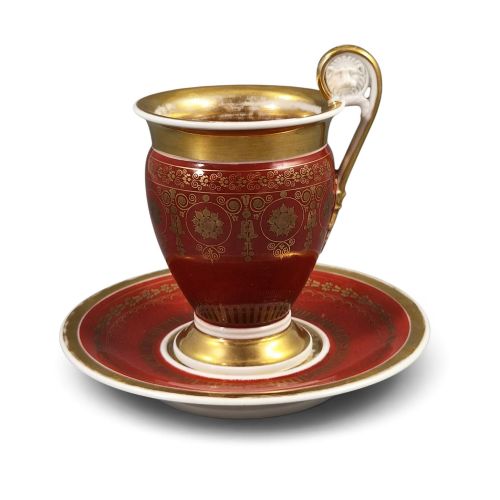
The objects listed on this page showcase classic French styling such as French Empire, Empire and French Rococo Revival aesthetics. These pieces typically feature hand-painted scenes, intricate gold leaf or gilt highlights, and sculptural details like lion mask handles or floral garlands.
How they were made
Manufacturers utilised hard-paste porcelain and biscuit porcelain as the primary foundations for these decorative objects, often applying detailed enamel work and colourful glaze. Skilled artisans decorated the pieces by hand, incorporating delicate hand-painted scenes and rich gold leaf or gilt embellishments.
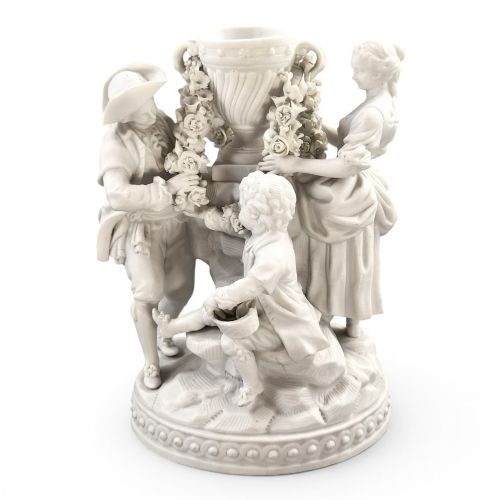
Specialised techniques brought together smooth glazed surfaces and unglazed biscuit porcelain, particularly evident in sculptural groups and figures. Kiln firing fixed the vibrant enamels and metallic leaf securely to the hard-paste body.
Retail Price Guide 2026
Typical UK retail prices for vieux paris porcelain, calculated from the Sellingantiques database of over a million retail prices indexed since 2003. This retail price guide relies exclusively on Sellingantiques data; no external sources or auction records are used, so the figures do not describe the wider market.
Fierce lion mask handles stare out steadily from nineteenth-century porcelain, keeping a watchful eye on the mantelpiece.
What varies in quality
Quality in these porcelain pieces rests upon the finesse of the hand-painted details and the precision of the sculptural modelling. Superior examples display crisp facial expressions on figures, finely delineated botanical or landscape scenes, and rich application of gold leaf rather than flat gilt.
The harmony between form and ornamentation dictates the overall merit of a piece. Well-executed handles, balanced proportions, and careful integration of enamel colours separate standard decorative wares from exceptional collector pieces.
Letu and Mauger
The Vieux Paris Porcelain Glossary
- Hard-paste porcelain
- A durable ceramic composition fired at very high temperatures, creating a dense, vitreous body characteristic of fine European porcelain. It forms the sturdy base for many nineteenth-century Parisian decorative objects.
- Biscuit porcelain
- Unglazed porcelain fired once to achieve a matte, marble-like texture that highlights sculptural detail and delicate modelling. This finish appears frequently on nineteenth-century figures and sculptural groups.
- Gilt
- A thin layer of gold or gold-like material applied to the surface of porcelain for decorative emphasis. It provides the shimmering accents seen on handles, rims and borders.
- Enamel
- Opaque or translucent coloured glass fused to the porcelain surface through firing. It creates the vibrant, permanent painted scenes and floral details found across these wares.
Frequently Asked Questions
What is vieux paris porcelain?
Vieux Paris porcelain refers to ceramic wares produced by various independent workshops and factories in and around Paris during the nineteenth century. These items include decorative vases, cabinet cups, figures and centrepiece bowls.
Characterised by eclectic historicist styles such as French Empire and Rococo Revival, these pieces reflect the changing tastes of the Georgian and Victorian eras. Makers utilised hard-paste and biscuit porcelain as canvases for lavish hand-painting and gilding.
How do I date these pieces?
Dating vieux paris porcelain relies on stylistic clues, manufacturing techniques, and occasionally factory marks found on the base. Pieces align with nineteenth-century design movements, spanning the Georgian, Victorian and broader nineteenth-century periods.
Early pieces often display austere Empire motifs and lion mask handles, while later Victorian examples lean towards elaborate floral garlands and ornate hand-painted scenes. Comparing the painting style and gilding quality helps narrow down the decade of production.
How were they used historically?
These porcelain items served primarily as decorative status symbols in affluent nineteenth-century drawing rooms and dining parlours. Centrepiece bowls and urn vases anchored table settings or mantelpieces, displaying fruit or floral arrangements.
Cabinet cups and saucers were often displayed in glazed vitrines rather than used for daily dining. Figurines and sculptural groups functioned purely as aesthetic ornaments to demonstrate the owner's refined taste.
How should I care for vieux paris porcelain?
Caring for these fragile nineteenth-century objects requires gentle handling and protection from sudden temperature changes. Dusting should be done carefully with a soft, dry cloth to preserve delicate hand-painted enamel and gold leaf.
Washing is generally discouraged, especially for pieces with gilt highlights or enamel details, as moisture and harsh cleaning agents can damage the surface. Display them away from direct sunlight to prevent fading of the painted scenes.