

19th Century Vases
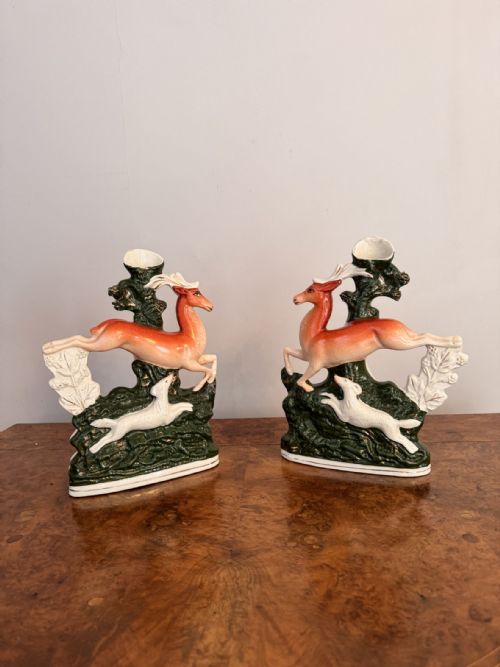
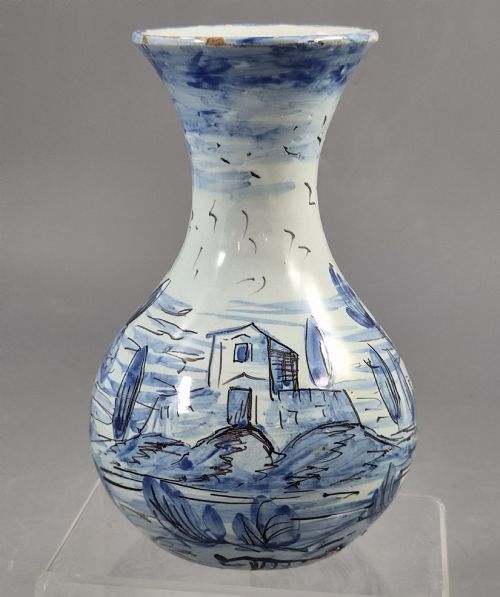
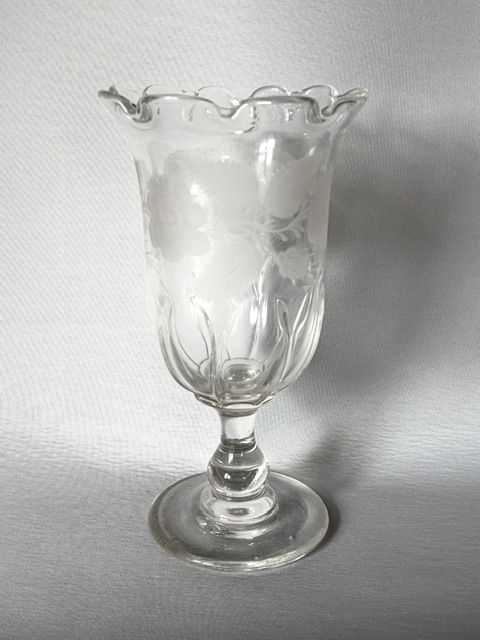
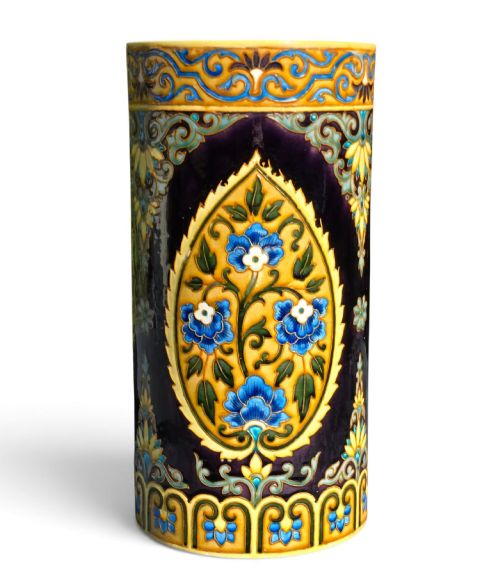
These 19th century vases span global ceramic traditions and grand European revivals, offering ornamental presence for any mantelpiece.
What 19th century vases are
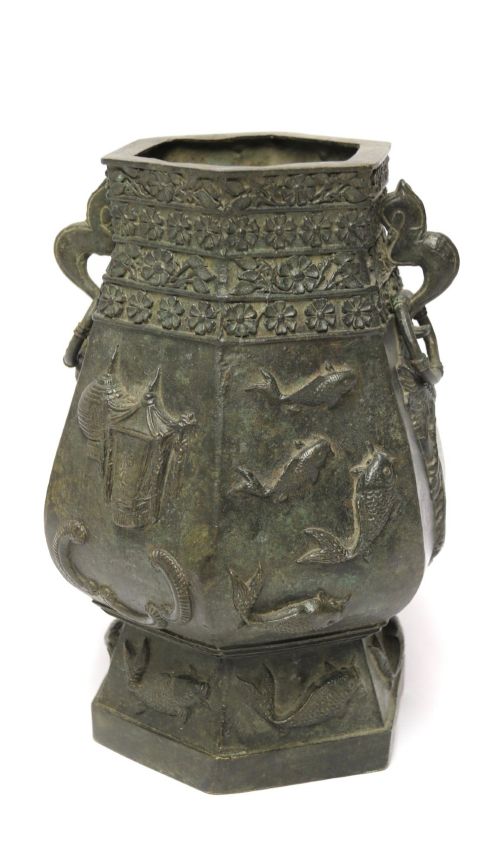
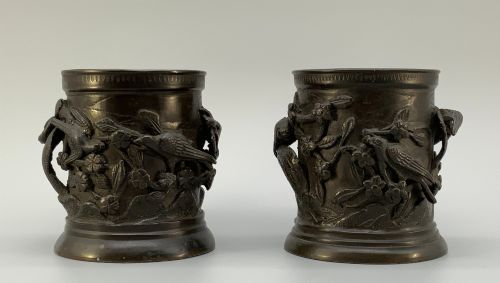
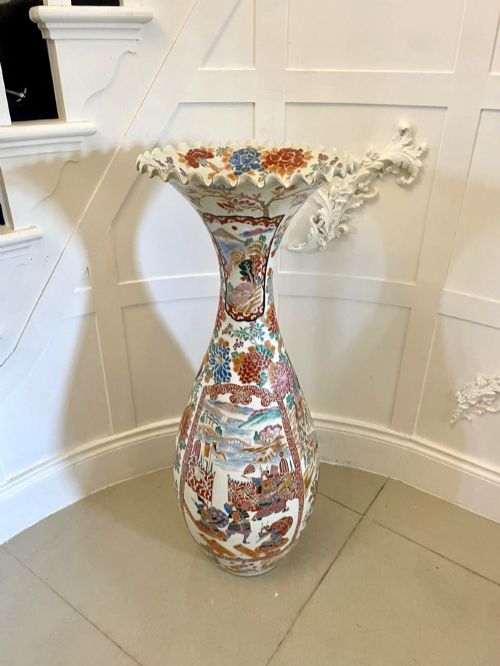
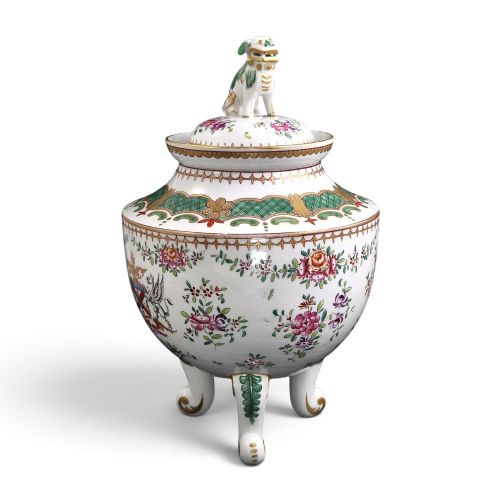
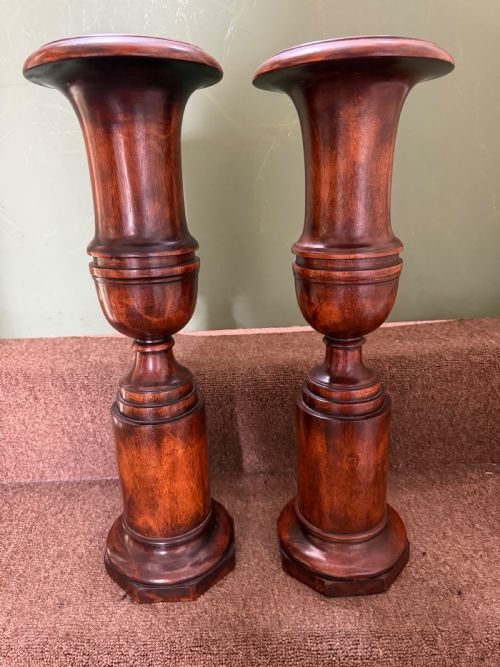
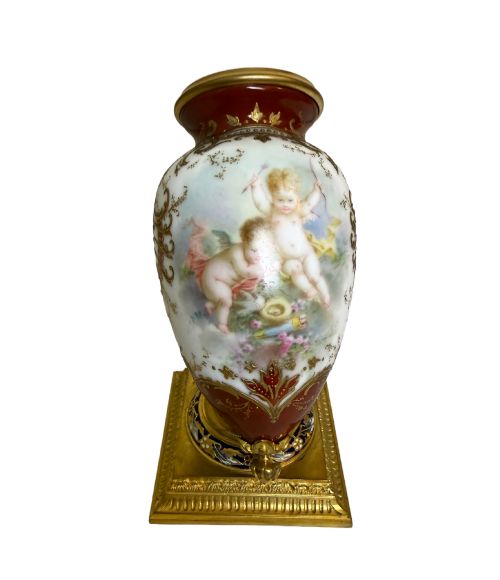
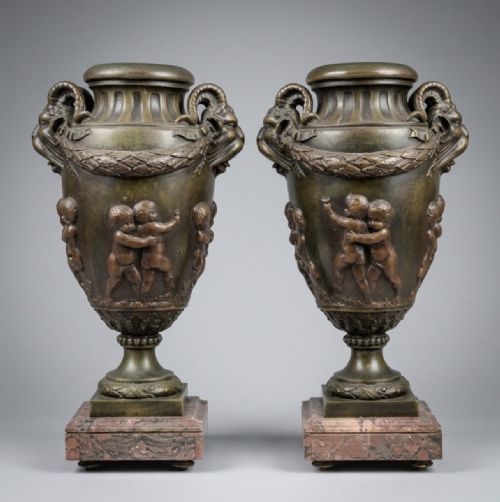
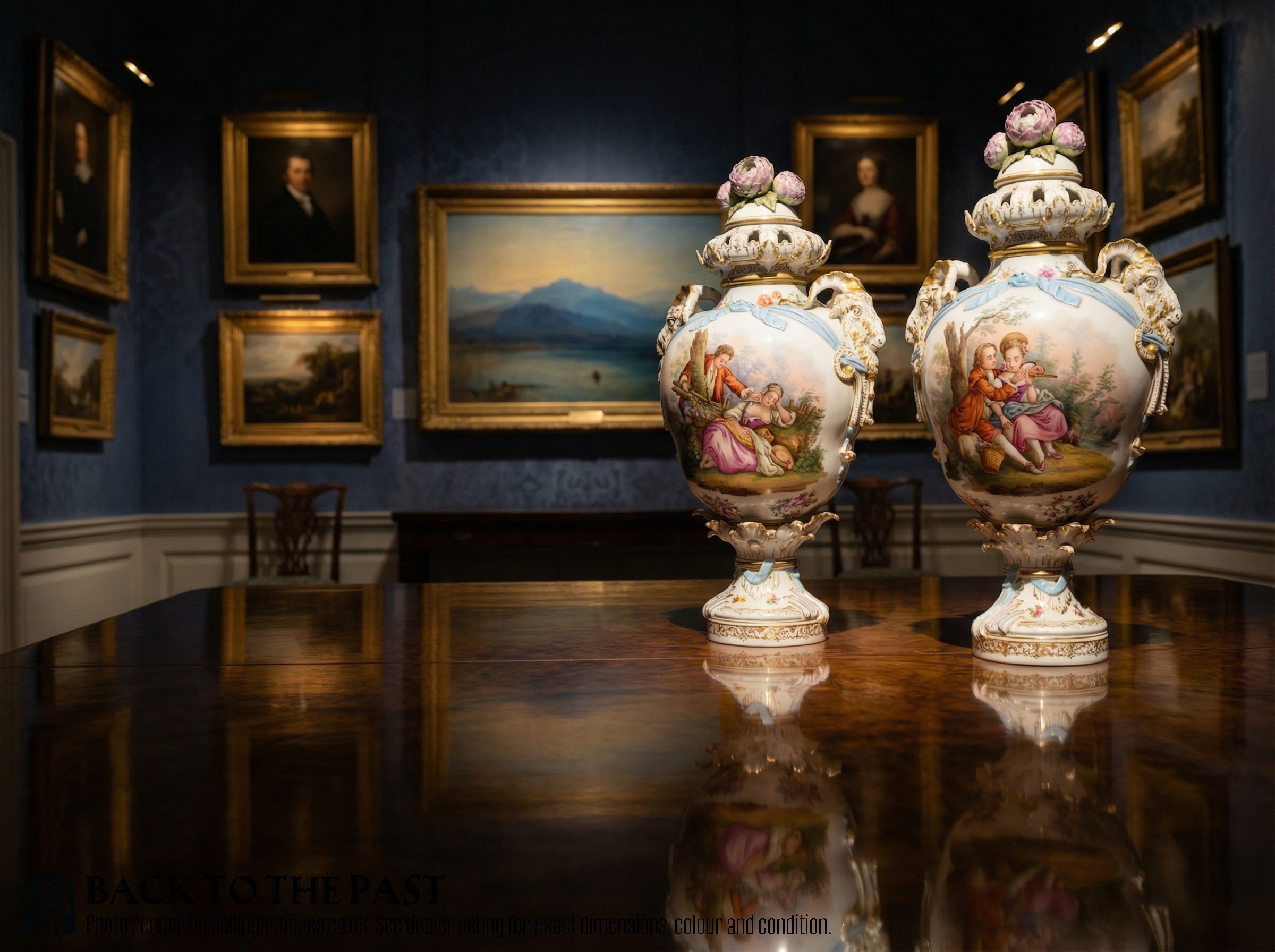
When searching for 19th century vases, buyers encounter a diverse array of decorative vessels originating from European workshops, Japanese furnaces, and Chinese kilns. The selection encompasses monumental porcelain garnitures, heavy bronze bronzes, and delicate earthenware designed for prominent display.
Pairs dominate the material evidence, often taking the form of lidded urns, bottle shapes, or baluster profiles. These pieces reflect the eclectic tastes of the period, drawing on historicist revivals and international export markets.
Origins stretch from Staffordshire potteries and Berlin factories to Meiji period Japanese workshops and Qing dynasty kilns. European interpretations frequently channel French Rococo, Empire, or Grand Tour neoclassical aesthetics.
How they were made
Makers utilised hard-paste porcelain, earthenware, and tin glazes, shaping vessels on the wheel or casting them in moulds. Artisans applied hand-painted scenes, cobalt blue underglazes, and enamel pigments before firing the ceramic bodies at high temperatures.
Metal vessels combine bronze, spelter, and silver plating, sometimes mounted onto marble plinths or highlighted with gold leaf and cloisonné enamel work. Wooden and glass examples involve turning, casing, and flash-cutting techniques executed by specialist hands.
Retail Price Guide 2026
Typical UK retail prices for 19th century vases, calculated from the Sellingantiques database of over a million retail prices indexed since 2003. This retail price guide relies exclusively on Sellingantiques data; no external sources or auction records are used, so the figures do not describe the wider market.
The archive records pieces from both the early nineteenth century and the late 1890s.
What varies in quality
Quality rests in the crispness of execution, from the precision of hand-painted figural scenes to the weight and patina of cast bronze. Superior pieces display deliberate control over enamel thickness and glaze consistency, avoiding muddy colour transitions.
The sophistication of the mounting and the depth of surface ornament distinguish finer workshop outputs from standard commercial production. Balance in form and clarity in signed marks elevate individual examples within their respective traditions.
Doulton Lambeth·Donath and Co·Mettlach Pottery·Taizan
The 19th Century Vases Glossary
- Hard-Paste Porcelain
- A dense ceramic composition fired at high temperatures using kaolin and petuntse. This material yields a durable, translucent body common in fine European and Asian vessels.
- Cloisonné Enamel
- A technique where metal wires form small compartments on a metal base, which are then filled with coloured glass paste and fired. The surface is subsequently ground smooth to reveal the intricate pattern.
- Garniture
- A set of matching vases or ornamental urns designed to be displayed together on a mantelpiece or sideboard. These sets typically comprise three or five coordinated pieces.
- Spelter
- An alloy of zinc and lead cast into decorative forms and patinated to resemble bronze. This material saw frequent use in French nineteenth-century decorative arts.
- Imari Palette
- A decorative scheme originating in Japan utilising iron red, underglaze blue, and gold highlights on a white ceramic ground. European makers later copied these distinctive colourways.
Frequently Asked Questions
How do I identify a Meiji period bronze?
Meiji period bronzes often feature signature marks on the base and display dark patinated surfaces with intricate applied or cast decoration. Japanese metalworkers during this era produced balanced forms influenced by traditional flora and fauna.
Examine the weight and the precision of the casting details. Signed pieces generally offer stronger documentation of their origin.
Were these vessels used for flowers?
Many nineteenth-century examples served purely as decorative garnitures or mantel ornaments rather than functional flower holders. Specific forms like celery vases or bud vases held practical purposes, but large lidded urns remained ornamental.
Checking the interior for water staining helps determine whether a particular vessel held water historically.
What is Grand Tour neoclassical style?
Grand Tour pieces replicate classical antiquities encountered by wealthy travellers visiting archaeological sites in Italy. Warwick and Amphora shapes reflect this fascination with ancient Greek and Roman forms.
These pieces use patinated metals, marble plinths, and classical motifs to evoke antiquity within nineteenth-century interiors.