



Antique Continental Porcelain
Antique continental porcelain encompasses richly decorated figures, vases, and mirrors from European workshops that bring historical craft directly into domestic spaces.
Antique Continental Porcelain
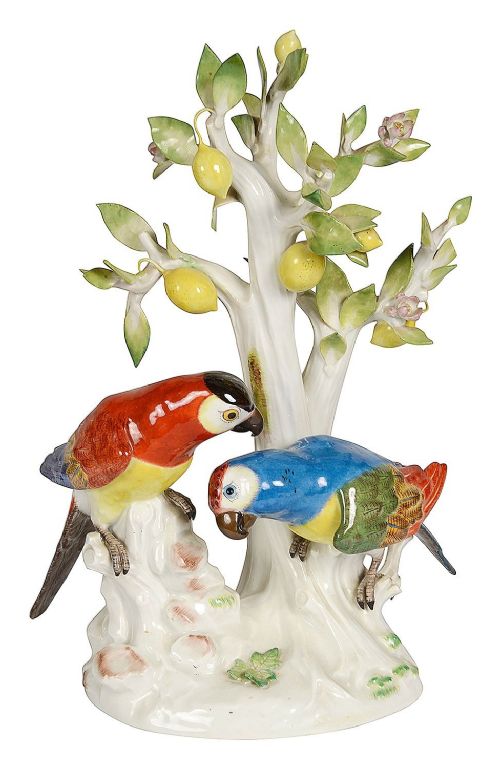
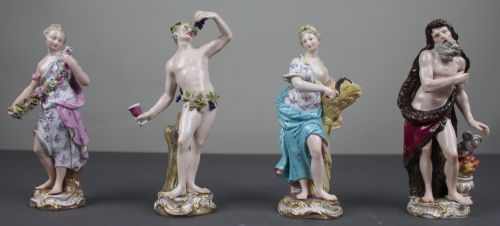
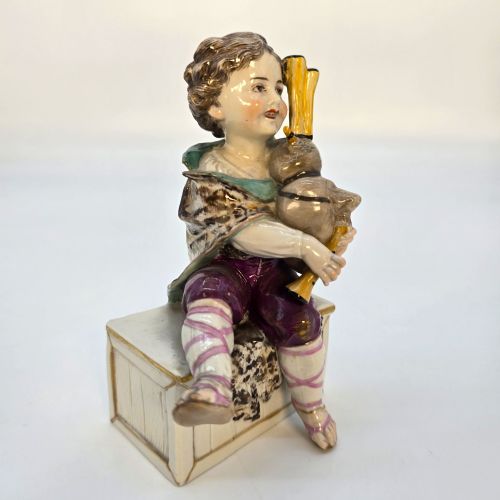
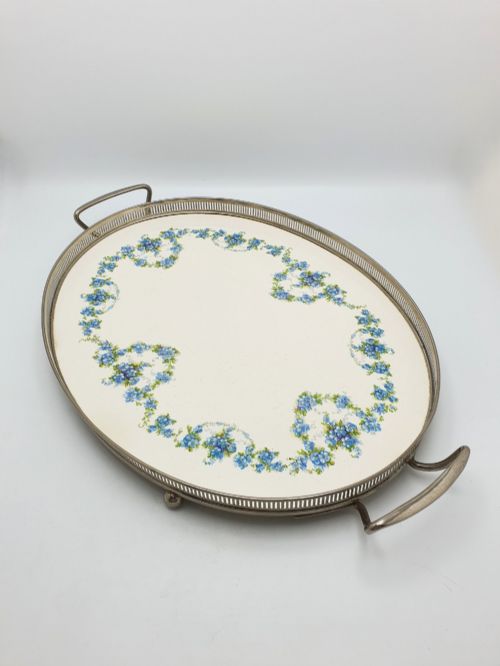
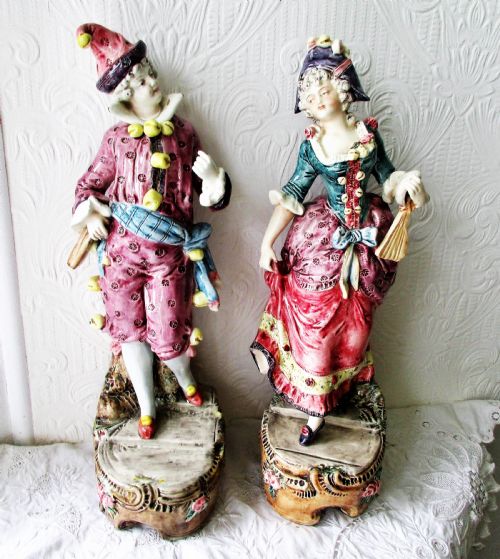
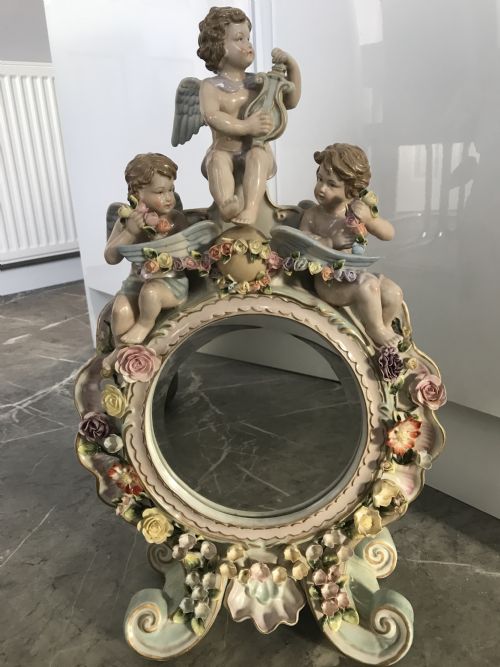
Antique continental porcelain covers a diverse range of decorative and functional objects produced across European factories and independent studios, primarily spanning the eighteenth, nineteenth, and early twentieth centuries. The selection frequently includes modelled figurines, pastoral groups, elaborately framed dressing table mirrors, and garniture vases.
The objects originate from notable regional centres in Germany and France, reflecting distinct local specialisms such as hard-paste tablewares, painted wall plaques, and figurative groups modelled in the Rococo revival or Victorian taste. Buyers will regularly encounter Meissen works alongside pieces from Volkstedt, Samson of Paris, and various unmarked continental factories.
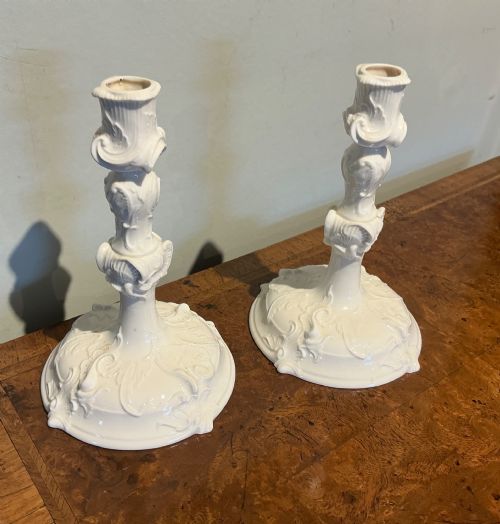
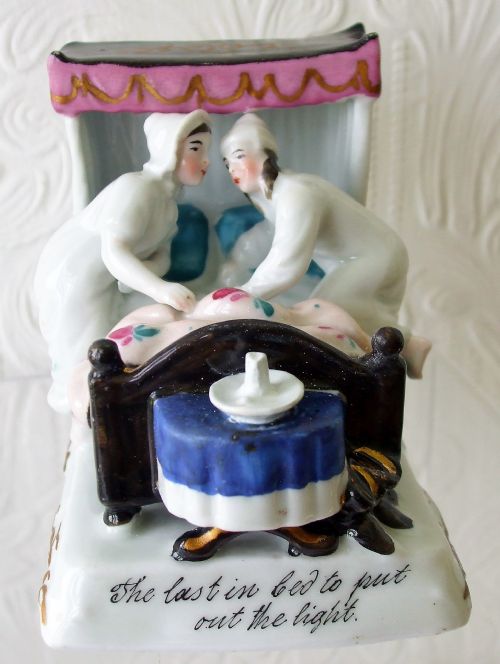
Domestic forms extend to inkstands, tobacco jars, candlesticks, and punch bowls, often embellished with applied flowers or gilt mounts. These survivals demonstrate the broad commercial output of European kilns catering to changing interior tastes across generations.
How they were made
Manufacture relied on hard-paste porcelain clay bodies fired at high temperatures, providing a durable base for subsequent enamel decoration and glazing. Workshops employed skilled modellers to shape complex multi-figure groups and architectural elements like pierced galleries or easel mirror frames.
Surface finish depended on careful hand-painting using mineral enamels, often supplemented with gold leaf, gilding, and brass or ormolu mounts. Many pieces combined moulded sections with delicate hand-applied details such as leaves, petals, and miniature animals.
Antique Continental Porcelain Retail Price Guide 2026
Typical asking prices for continental porcelain among the pieces listed under this phrase on Sellingantiques today, from the lower quarter to the upper quarter. They describe what is for sale here now, not the wider market.
The inventory records functional and decorative forms including mantel clocks, inkwells, tobacco jars, mirrors, and garnitures.
What varies in quality
Quality rests upon the crispness of the modelling and the precision of the hand-painted enamel work, distinguishing carefully detailed factory productions from simpler commercial wares. Superior examples display subtle facial expressions, naturalistic drapery folds, and securely applied decorative elements.
The application of gilding and the integration of secondary materials like brass bases or ormolu mounts also indicate the original grade of the piece. Well-preserved painted surfaces with minimal rubbing demonstrate better survival and higher initial manufacturing standards.
Meissen·Volkstedt Rudolstadt Factory·Samson of Paris·Royal Dux·Carl Thieme Dresden·Vion et Baury·Niderviller
The Antique Continental Porcelain Glossary
- Hard-paste porcelain
- A dense, vitreous ceramic material composed of kaolin and petuntse, fired at high temperatures to produce a durable body that resists scratching. This composition formed the standard base for most eighteenth and nineteenth-century German and French figures.
- Gilding
- The application of gold leaf or powdered gold suspended in a medium to highlight moulded details, rims, and bases. On finer pieces, this gold was often burnished to create a bright metallic contrast against the white porcelain.
- Sweetmeat figure
- A specialised ceramic vessel modelled as a human or animal figure holding a basket or bowl designed to contain confectionery. These decorative table pieces were popular in European dining customs.
- Garniture
- A matching set of three, four, or five vases or jars displayed symmetrically across a mantelpiece or sideboard. They represent coordinated factory production designed for grand domestic interiors.
Antique Continental Porcelain: Frequently Asked Questions
How do I identify Meissen porcelain?
Meissen pieces often feature the underglaze blue crossed swords mark, though the clarity and style of this mark varied across different periods like the Marcolini era. Quality of modelling and hand-painted detail also serve as key indicators.
Examination of the paste and the precision of floral or figurative painting helps separate genuine eighteenth and nineteenth-century factory outputs from later continental imitations.
What is hard-paste porcelain?
Hard-paste porcelain is a true ceramic composition of kaolin and petuntse fired at extremely high temperatures. It yields a strong, impermeable body that does not easily scratch.
This material allows for sharp moulded details and forms the foundation of most traditional continental European decorative figures and tableware.
How should I display porcelain figures?
Display these delicate figures away from direct sunlight and high-traffic areas where they might be accidentally knocked. Stable shelving within enclosed cabinets helps protect applied elements like leaves and fingers from damage.
Ensure that pieces with metal mounts or wooden bases are kept away from excessive humidity to preserve both the ceramic and auxiliary materials.
What does Schneeballen mean?
Schneeballen refers to a dense, continuous covering of small applied porcelain flowers resembling snowballs, often seen on German inkstands and decorative vessels. This intensive technique required attaching hundreds of individual petals by hand before firing.
Objects featuring this style showcase the high level of patience and dexterity practised in nineteenth-century workshops.