


English Porcelain Figure
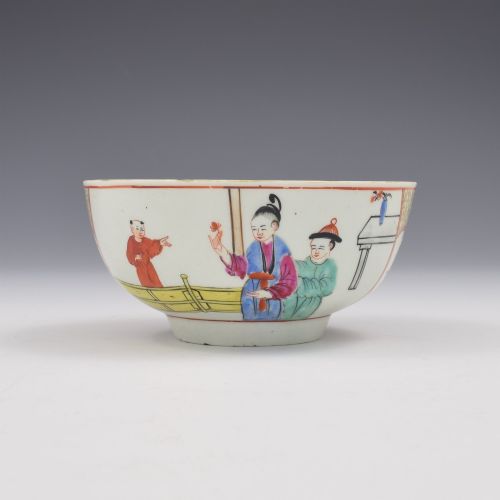
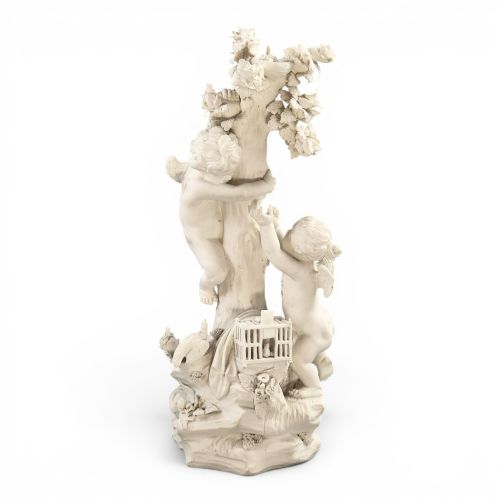
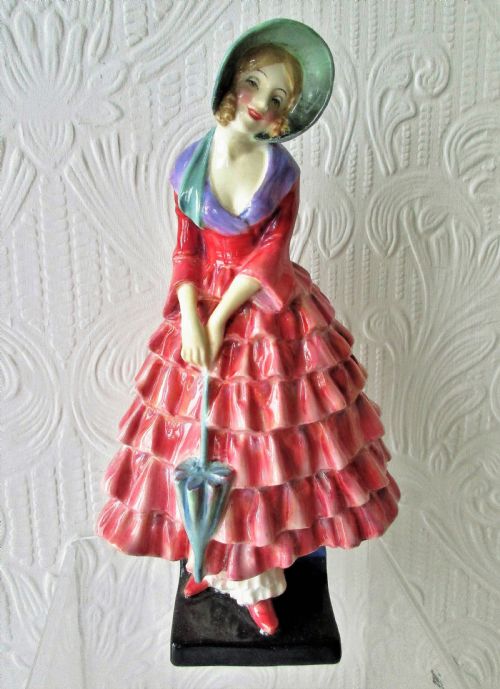
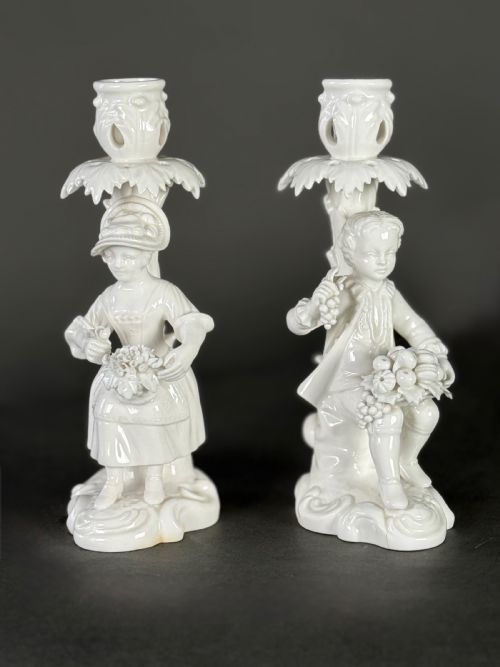
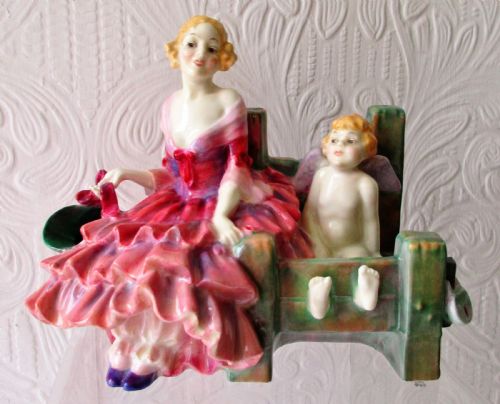
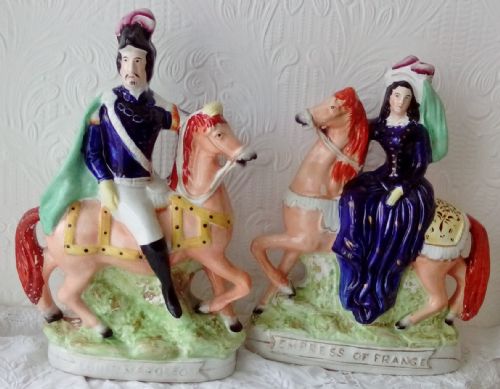
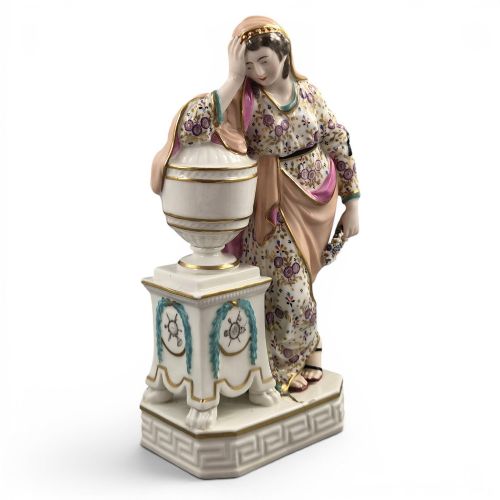
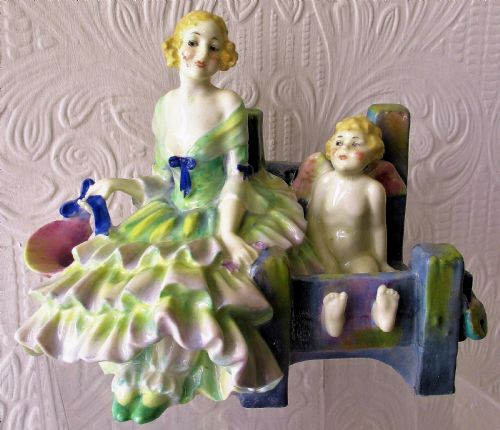
These English porcelain figure examples capture centuries of modelled ceramic artistry, offering collectors delightful sculptural representations in fired clay.
Understanding the Pieces
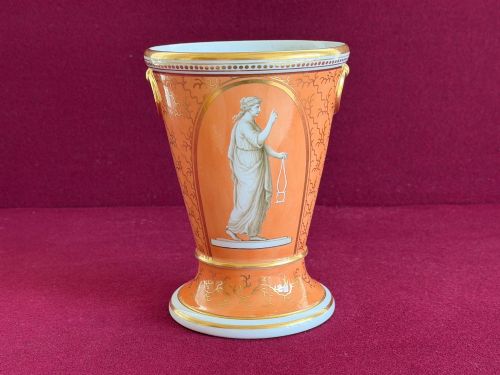
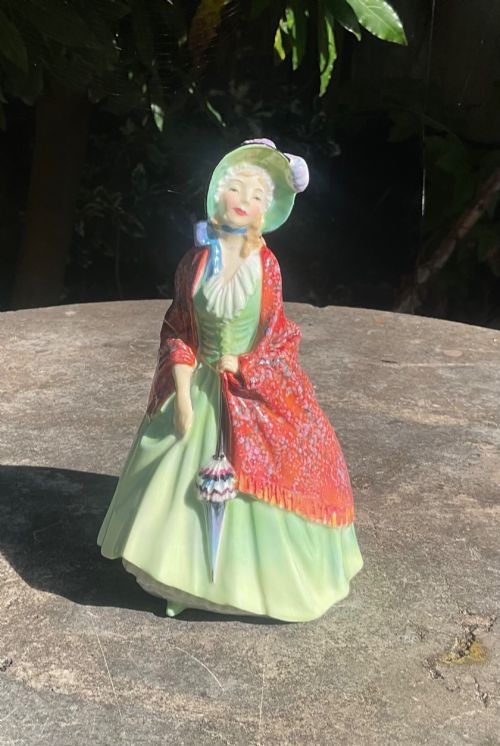
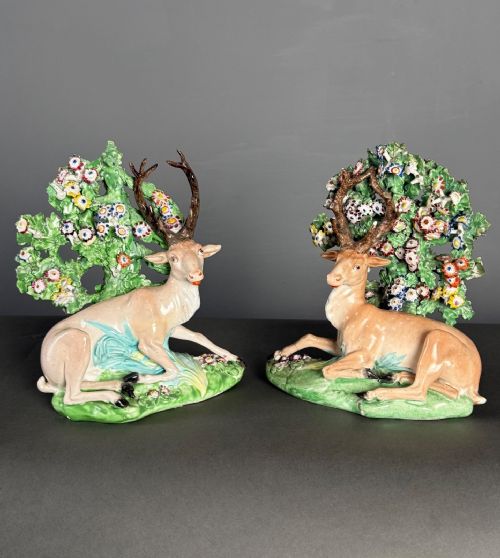
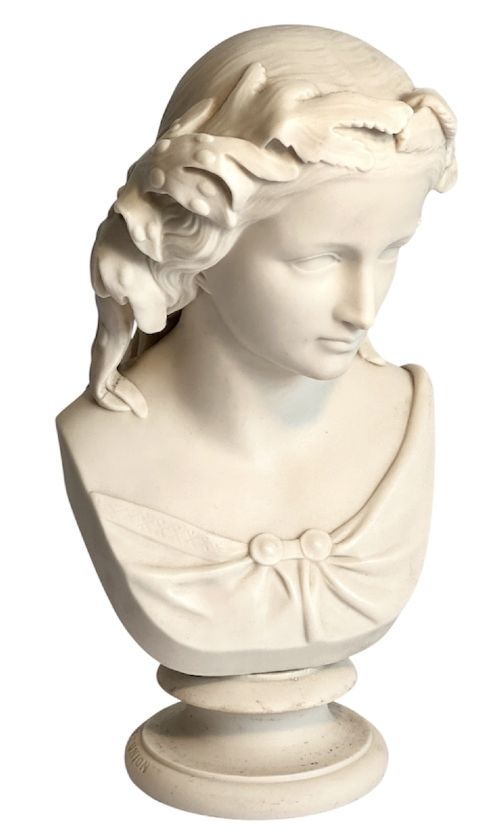
Every English porcelain figure represents a rich tradition of ceramic sculpture spanning from the Georgian period through the Victorian era and into the Art Deco twentieth century. These sculptural objects take the form of detailed figurines and figure groups depicting allegorical subjects, classical mythology, and charming everyday characters. Collectors encountering this selection will find varied examples ranging from eighteenth-century Derby works to twentieth-century factory productions.
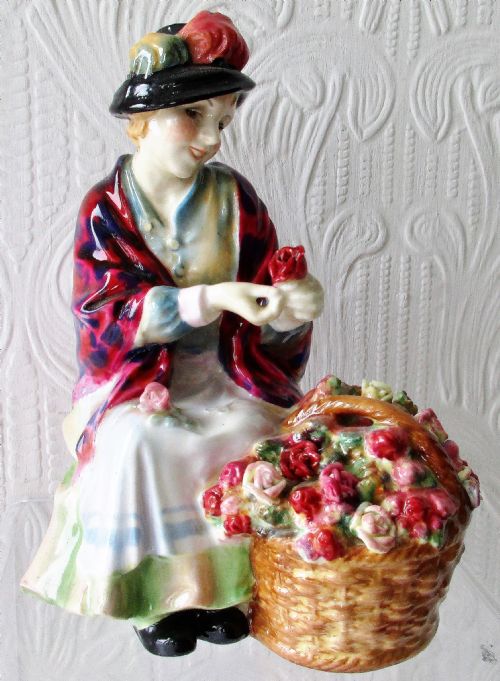
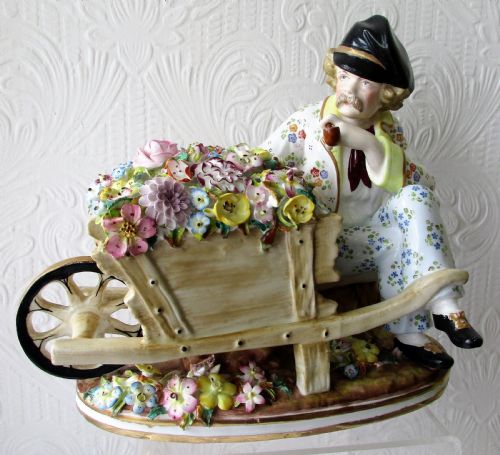
The objects seen here encompass traditional figurine subjects such as classical deities, allegorical elements, and charming street vendors like the flower seller. Dating ranges from the eighteenth century through the nineteenth century and into the 1930s and 1940s. These pieces reflect the evolving tastes of British ceramics, moving from ornate Rococo styling to clean twentieth-century lines.
Materials and Construction
Makers utilised fine porcelain and bone china as the fundamental body materials for these sculptural works. The shaping process required expert moulding and hand-modelling by skilled ceramic artists before the firing stage.
Retail Price Guide 2026
Typical UK retail prices for english porcelain figure, calculated from the Sellingantiques database of over a million retail prices indexed since 2003. This retail price guide relies exclusively on Sellingantiques data; no external sources or auction records are used, so the figures do not describe the wider market.
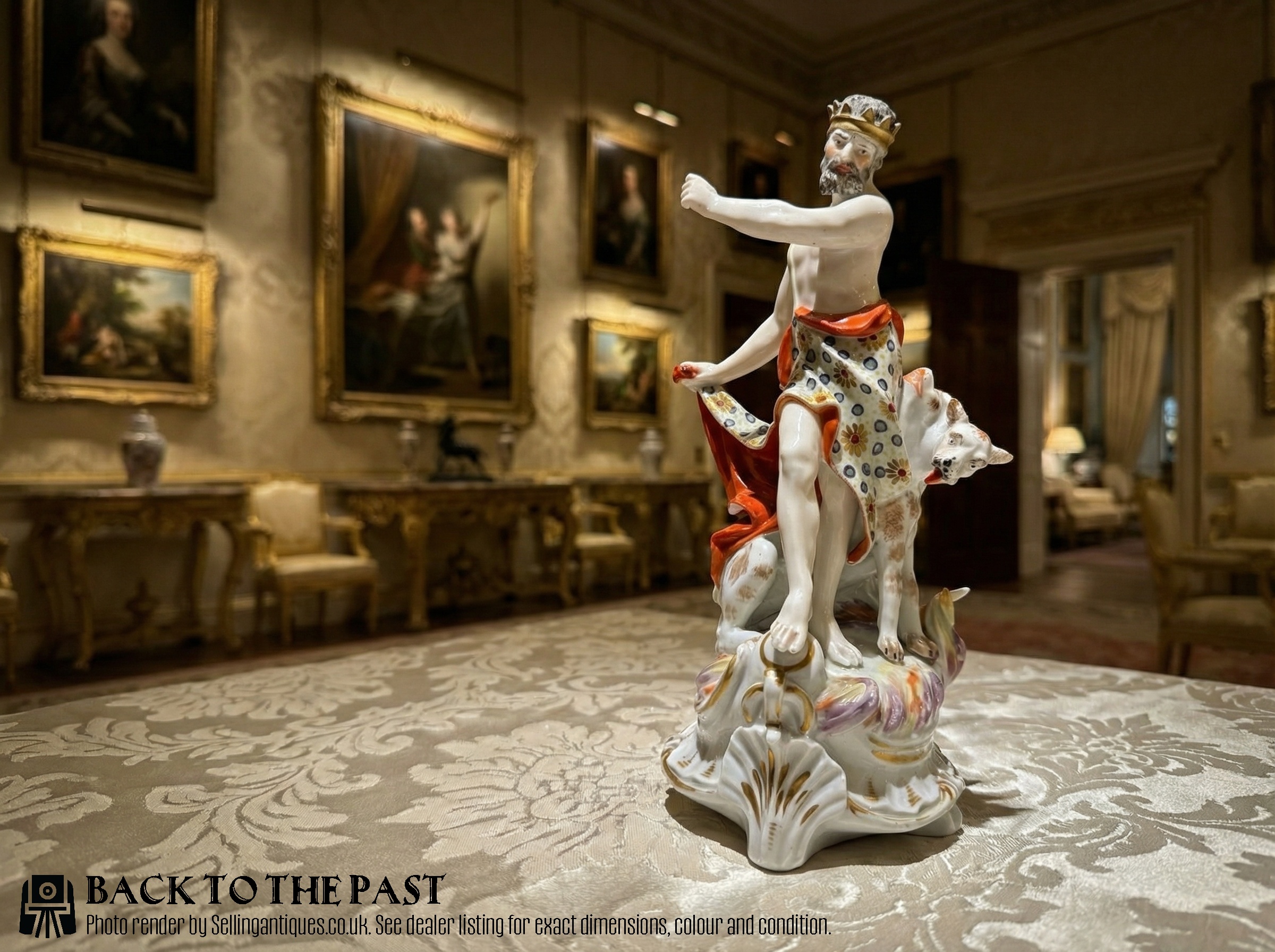
Cerberus manages to look surprisingly polite when rendered in eighteenth-century glazed porcelain.
Assessing Quality
Quality in these sculptural ceramics rests upon the crispness of the modelled detail and the precision of the hand-painted enamel decoration. Superior examples display sharply defined facial expressions, intricate drapery, and careful placement of gold leaf without bleeding.
The sophistication of the original design and the refinement of the porcelain paste distinguish finer factory productions from simpler commercial output. Early Derby pieces demonstrate different modelling characteristics compared to later Victorian or twentieth-century factory items.
John Bevington·Royal Doulton·Royal Worcester·Derby
The English Porcelain Figure Glossary
- Porcelain
- A fine, hard white ceramic material fired at high temperatures to achieve vitrification. It forms the essential body of all these sculptural figures.
- Bone China
- A type of porcelain incorporating bone ash to increase strength and translucency. This material appears in later British factory productions.
- Gold Leaf
- Extremely thin gold beaten into sheets and applied for decorative highlights. It brings a rich metallic accent to robes, bases, and accessories.
- Figurine
- A small carved or moulded statuette representing a human or animal form. These pieces form the primary category of sculptural ceramic output.
Frequently Asked Questions
What periods do these figures come from?
The pieces span several centuries, including eighteenth-century Georgian items, nineteenth-century Victorian examples, and twentieth-century pieces from the 1930s and 1940s.
This broad chronological range allows collectors to trace the development of British ceramic modelling and painting styles over time.
What materials make up these objects?
The primary materials are porcelain and bone china, both fired to create a durable white ceramic body. Glazes seal the surface and provide a smooth background for the painted decoration.
Different periods utilised varying clay and bone ash recipes to achieve distinct translucency and weight.
How do I display porcelain figures safely?
Display these sculptural works in stable cabinets away from direct sunlight and high traffic areas to protect their delicate enamel paints and gold leaf. Ensure shelving is level and secure.
Keeping them enclosed also reduces dust accumulation on intricate modelled surfaces and clothing folds.