





Soft Paste Porcelain Figurine
When you search for a soft paste porcelain figurine, you encounter fragile 18th-century ceramics shaped into classical figures, animals, and allegorical scenes.
Soft Paste Porcelain Figurine
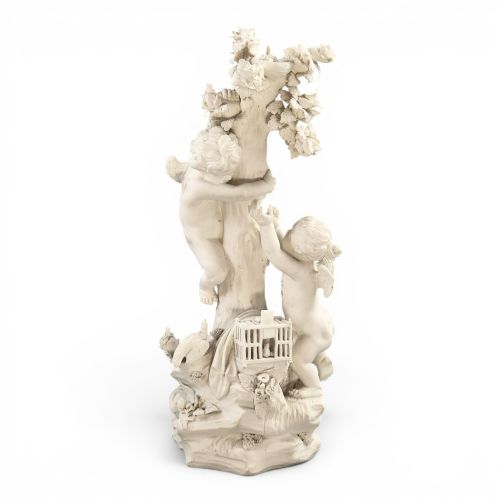
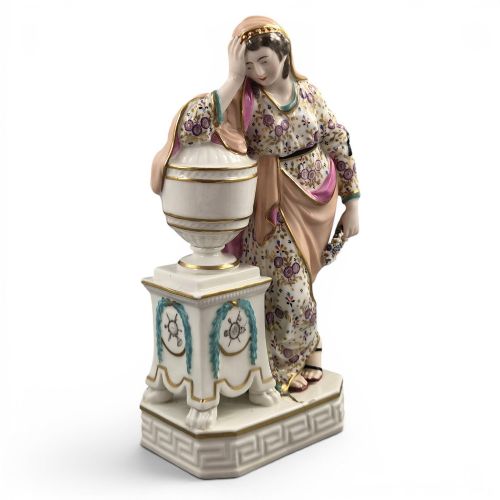
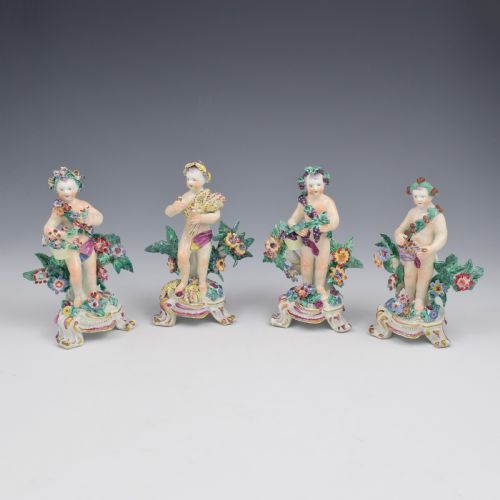
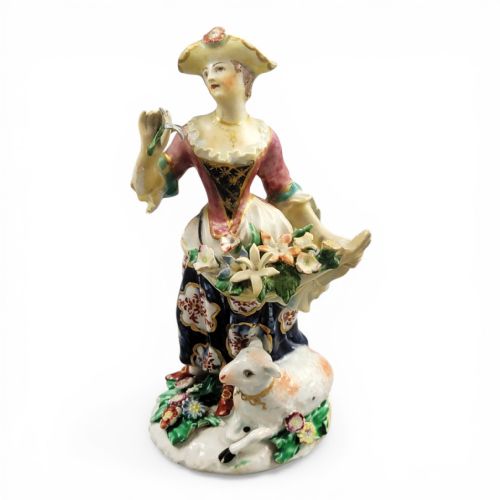
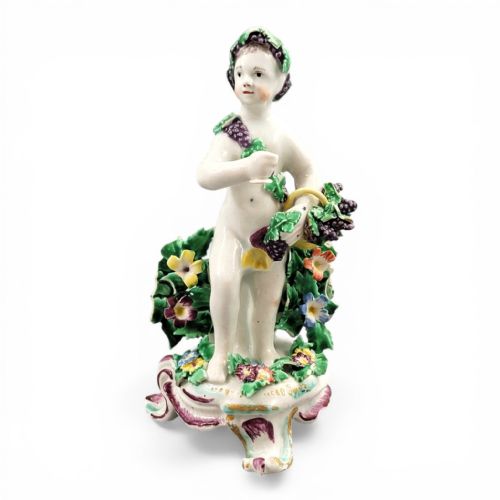
A soft paste porcelain figurine represents delicate ceramic sculpture originating predominantly from 18th-century English potteries such as Derby, Bow, and Chelsea. Buyers searching this phrase most frequently encounter Georgian pieces depicting mythological subjects, allegorical seasons, or pastoral figures.
The selections span distinct forms including standalone figures, candlestick groups framed by leafy bocage, and multi-figure groups. Makers utilised this porous body to capture subtle facial expressions and complex drapery before firing.
Pieces from this category bring historical domestic display into modern interiors through detailed hand-painted colour palettes and gilt highlights. The surviving examples preserve early manufacturing techniques from a foundational era of European ceramic art.
Standards of Execution
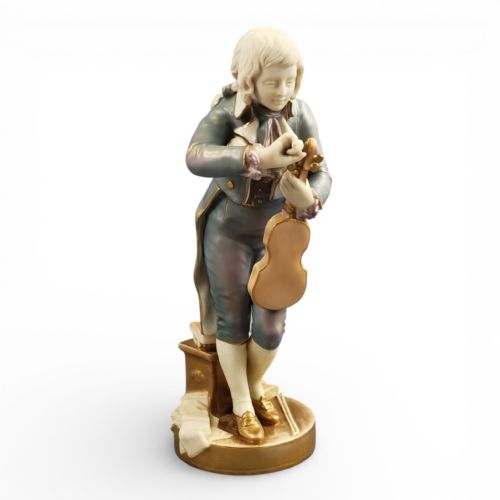
The preservation of fragile additions such as bocage leaves, musical instruments, and candle sconces heavily dictates desirability. Pieces with minimal restoration to their extremities command greater attention from collectors than heavily repaired equivalents.
Soft Paste Porcelain Figurine Retail Price Guide 2026
Typical asking prices for soft paste porcelain figurine among the pieces listed under this phrase on Sellingantiques today, from the lower quarter to the upper quarter. They describe what is for sale here now, not the wider market.
Historical potters added tiny clay sheep and attentive dogs to pastoral scenes just to give collectors something charming to dust.
Derby Porcelain·Bow Porcelain·Chelsea Porcelain·Longton Hall·Royal Worcester·William Duesbury Co
The Soft Paste Porcelain Figurine Glossary
- Bocage
- An applied background of leaves and branches made from clay, often framing 18th-century figures. This delicate foliage was built up by hand before firing.
- Soft-paste
- An early ceramic body composed of glass frit and white clay substitutes. It lacks the true rock minerals of hard-paste porcelain.
- Enamel
- Vitreous coloured paints applied to the surface of the fired ceramic body. These mineral pigments fuse to the glaze during a subsequent low-temperature firing.
- Gilt
- A thin layer of gold leaf or gold paint applied to highlights on garments and bases. It adds reflective contrast to the painted ceramic surface.
- Patch mark
- An unglazed circular blemish on the base of early figures caused by kiln supports. These marks indicate contact points during the manufacturing process.
Soft Paste Porcelain Figurine: Frequently Asked Questions
What is a soft paste porcelain figurine?
These pieces are early ceramic sculptures shaped from a glassy paste mixture rather than true hard porcelain clay. They capture detailed human, animal, and mythological subjects created during the 18th century.
Potters moulded these figures by hand and finished them with colourful enamel paints and gold leaf highlights. Surviving examples document early British and European ceramic artistry.
How were these figures used originally?
Georgian households placed these ceramic figures on mantelpieces, side tables, and dining room centrepieces as decorative conversation pieces. Elaborate matched sets often represented broader themes like the four seasons or the continents.
Some variants doubled as functional items by incorporating candle sockets amongst floral bocage work. They served primarily to display the refinement and wealth of the household.
How should I display them safely?
Keep these fragile ceramics inside enclosed cabinets away from direct sunlight and areas prone to heavy vibrations. Stable shelf placement protects delicate protruding elements like fingers, instruments, and leaves from accidental breakage.
Avoid hanging or placing them near heat sources that might stress the old body or dry out historical repairs. Proper ambient conditions preserve the stability of the soft paste body and painted surfaces.
How do I identify early periods?
Examine the base for unglazed patch marks, anchor incisions, or painted factory marks associated with specific mid-18th-century workshops. The presence of a porous, creamy body texture often points towards earlier production dates.
Stylistic cues such as Rococo curves and pale pastel enamel hues help separate Georgian examples from later 19th-century revival pieces. Comparing modelled details against known archive models confirms the production era.