
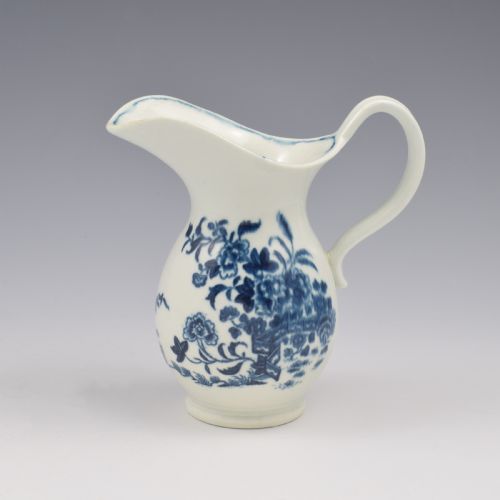
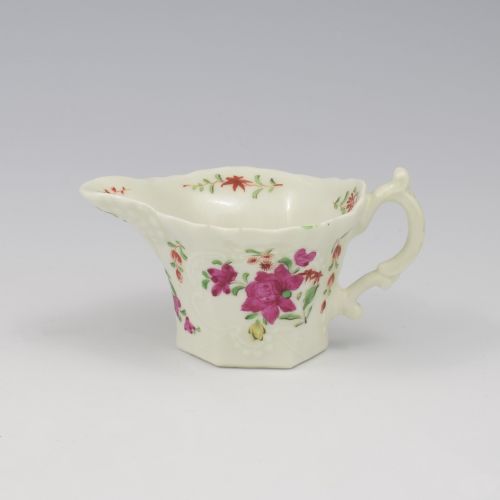


Dr Wall Worcester Jug
A dr wall worcester jug brings the height of eighteenth-century English ceramic artistry directly to your table.
What They Are
When you search for a dr wall worcester jug, you encounter delicate eighteenth-century vessels shaped as milk jugs, cream jugs, and mask jugs. These Georgian pieces originate from the famous Worcester factory during its First Period under Dr John Wall.
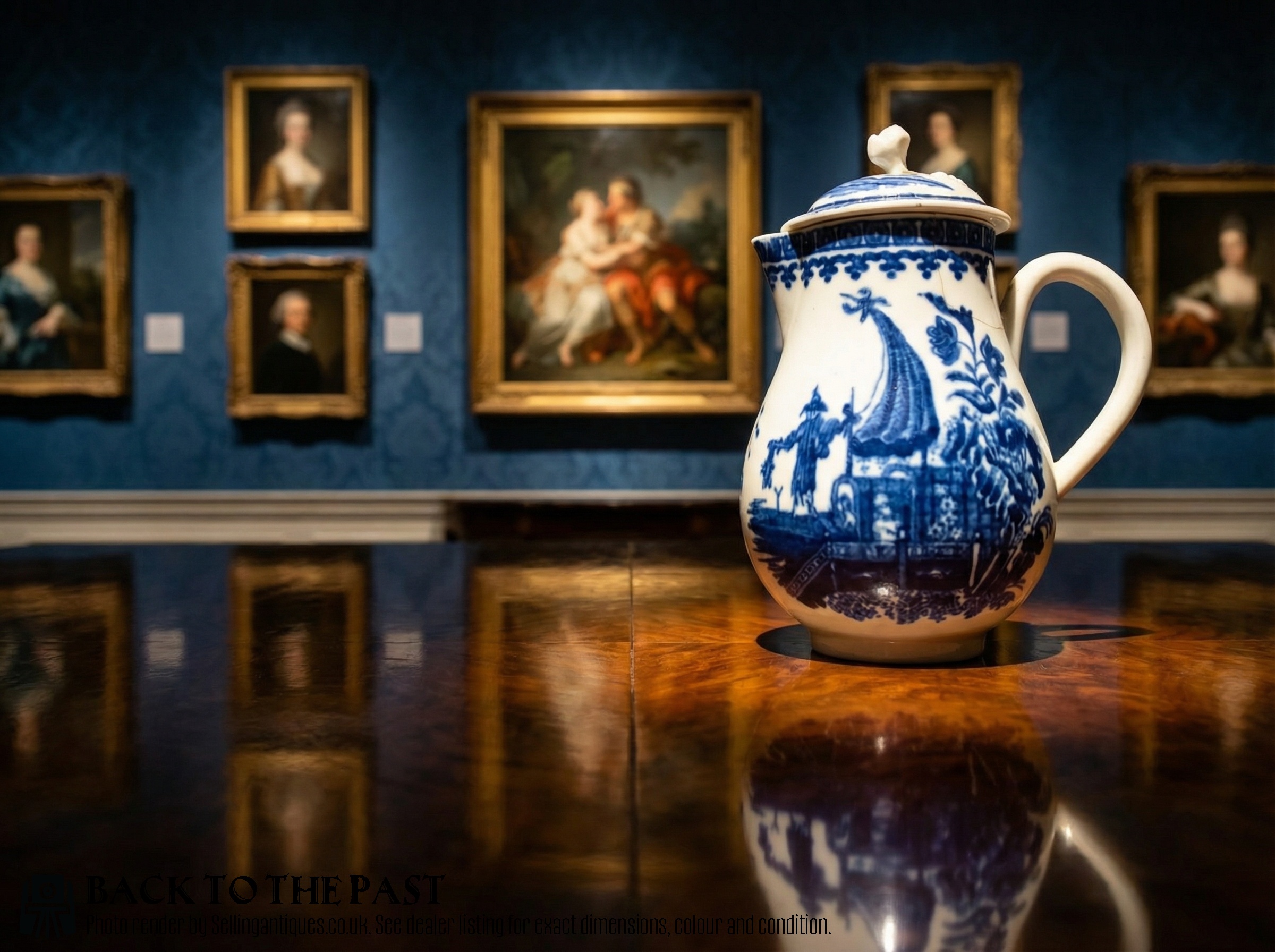
The designs span traditional landscape patterns, Japanese Kakiemon colours, the Fisherman pattern, and the Parrot Pecking Fruit motif. Georgian chinoiserie styles appear frequently alongside polychrome decoration and underglaze cobalt.
How They Were Made
Potters constructed these pieces using soft-paste porcelain, a vitreous ceramic body fired at lower temperatures than hard paste. This material yields a distinctive warm glaze texture characteristic of early Worcester production.
Decoration relied heavily on cobalt underglaze painting applied before the final glaze firing. Artisans also employed polychrome enamels and applied gold leaf for richer decorative schemes.
Parrot Pecking Fruit leaves collectors wondering what the bird did to deserve such permanent immortality in gold and enamel.
What Varies in Quality
Quality rests upon the crispness of the moulded form, particularly on mask jugs and sparrow beak spouts where delicate details can soften. The precision of the hand-painted brushwork distinguishes standard production from finer artistic output.
The application of polychrome enamels and gold leaf dictates the visual hierarchy of these jugs. Pieces exhibiting vibrant Japanese Kakiemon palettes or detailed Fisherman patterns demonstrate superior decorative execution.
The Dr Wall Worcester Jug Glossary
- Soft-paste porcelain
- A ceramic composition of clay, glass frit, and ground minerals used by early English potteries before the widespread adoption of bone china. This material produces a characteristic translucent body.
- Cobalt underglaze
- A blue pigment applied directly to the unfired ceramic body before glazing and firing. It withstands high temperatures without losing its intense colour.
- Sparrow beak
- A descriptive term for small eighteenth-century cream jugs featuring a distinctive pinched lip resembling a bird beak. This form controlled pouring for expensive imported tea.
- Kakiemon
- A Japanese style of enamelled porcelain decoration featuring asymmetrical arrangements and distinct pastel palettes. Eighteenth-century English factories frequently copied these motifs.
- Mask jug
- A pitcher featuring a modelled human or animal face beneath the spout. This sculptural element marks higher-tier Georgian porcelain production.
Frequently Asked Questions
What is a dr wall worcester jug?
A dr wall worcester jug is an eighteenth-century porcelain vessel made during the First Period of the Worcester manufactory. These cream jugs and milk jugs reflect the neoclassical and chinoiserie tastes of the Georgian era.
The factory operated under the direction of Dr John Wall, producing soft-paste porcelain decorated with underglaze blue, polychrome enamels, and gilding.
How were these jugs used?
These pieces served practical functions at tea tables across Georgian households. They held milk and cream to accompany imported tea.
Despite their delicate soft-paste construction, they formed part of everyday dining routines among wealthy families before being preserved as display antiques.
How do I identify a First Period piece?
First Period pieces display characteristic eighteenth-century forms such as the sparrow beak milk jug or mask jug. The soft-paste porcelain body often shows slight glaze pooling and characteristic potting marks.
Decoration relies on period-specific patterns including the Fisherman motif, landscape scenes, and Japanese Kakiemon enamels.
What patterns appear on these jugs?
The recorded patterns include the Fisherman pattern, landscape designs, and the Parrot Pecking Fruit motif. Chinoiserie subjects and Japanese Kakiemon colour palettes also feature prominently.
Some examples utilise cobalt underglaze painting, while others showcase polychrome enamels and gold leaf highlights.