




Georgian Porcelain Cream Jug
A georgian porcelain cream jug is a small ceramic vessel for the tea table, prized for its delicate body and painted enamels.
Georgian Porcelain Cream Jug
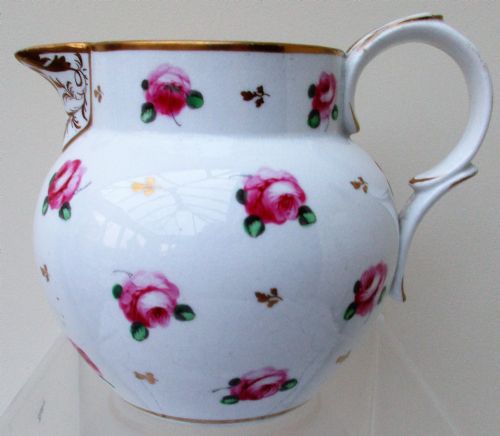
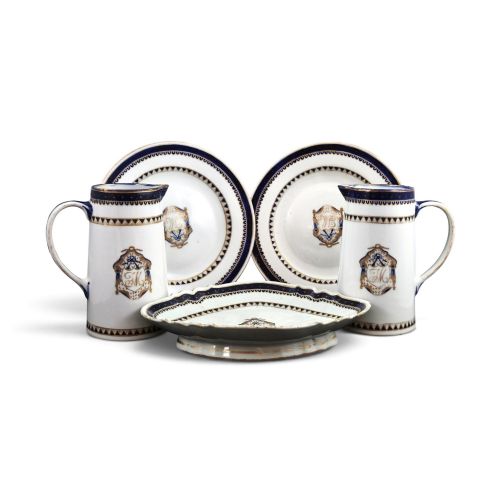
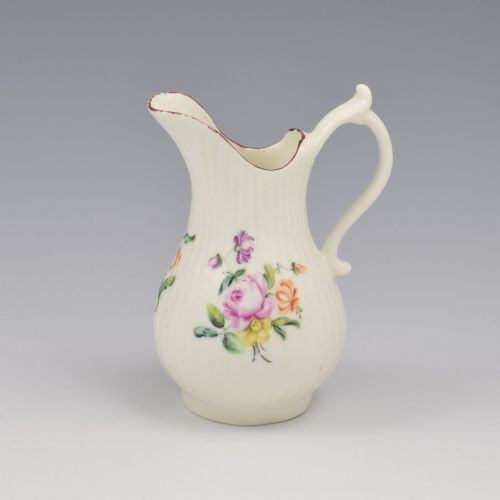
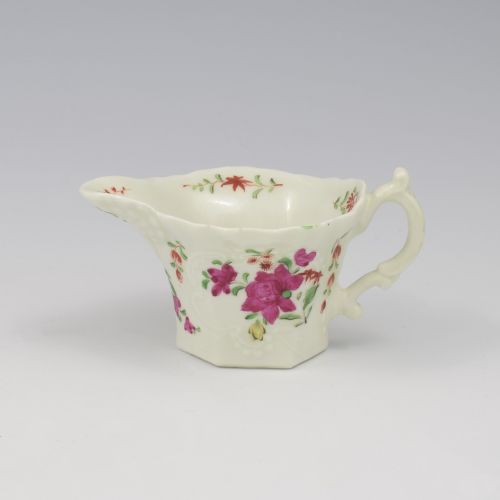
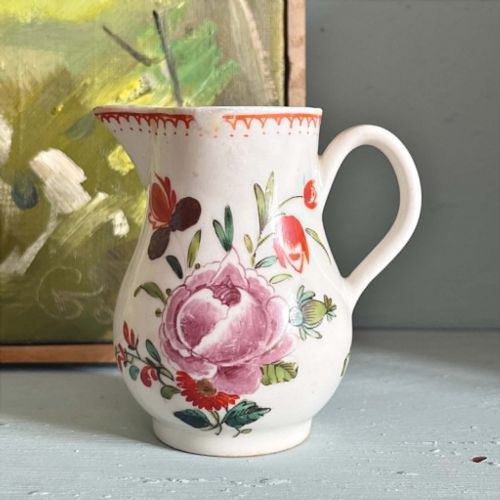
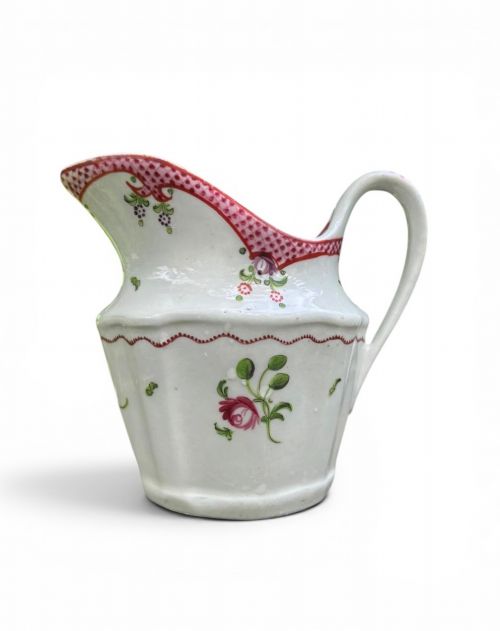
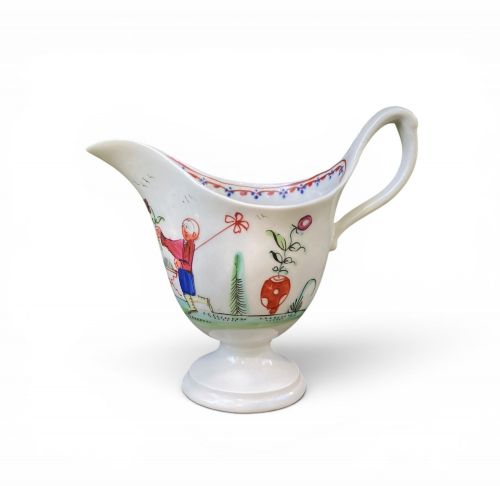
When you search for a georgian porcelain cream jug, you encounter delicate tableware designed to serve milk or cream during the tea service. These pieces span the eighteenth century and the Regency period, displaying forms such as sparrow beak jugs, helmet shapes, and low chelsea ewers.
The pieces on this page include examples from factories such as Worcester, New Hall, Derby, and Bow. You will find items decorated with polychrome flowers, blue and white patterns, and gilt accents.
Forms vary from simple loop-handled milk jugs to moulded dolphin ewer cream boats and hexagonal sauce boats. Most examples date from the mid-eighteenth century up to the early nineteenth century.
How they were made
Potters shaped these vessels using soft-paste porcelain or hard-paste porcelain, often forming bodies through throwing on a wheel or casting in moulds. Early items display the characteristic warmth and slight imperfections of soft-paste bodies.
Decoration relied on cobalt underglaze painting, enamel glaze applications, and hand-applied gilding or gold leaf. Potters fired the pigments onto the glazed surface in kilns to fix the polychrome designs.
Georgian Porcelain Cream Jug Retail Price Guide 2026
Typical asking prices for georgian porcelain cream jug among the pieces listed under this phrase on Sellingantiques today, from the lower quarter to the upper quarter. They describe what is for sale here now, not the wider market.
Several pieces feature lamprey handles, where the handle of a cream jug takes the wriggling form of a jawless fish.
What varies in quality
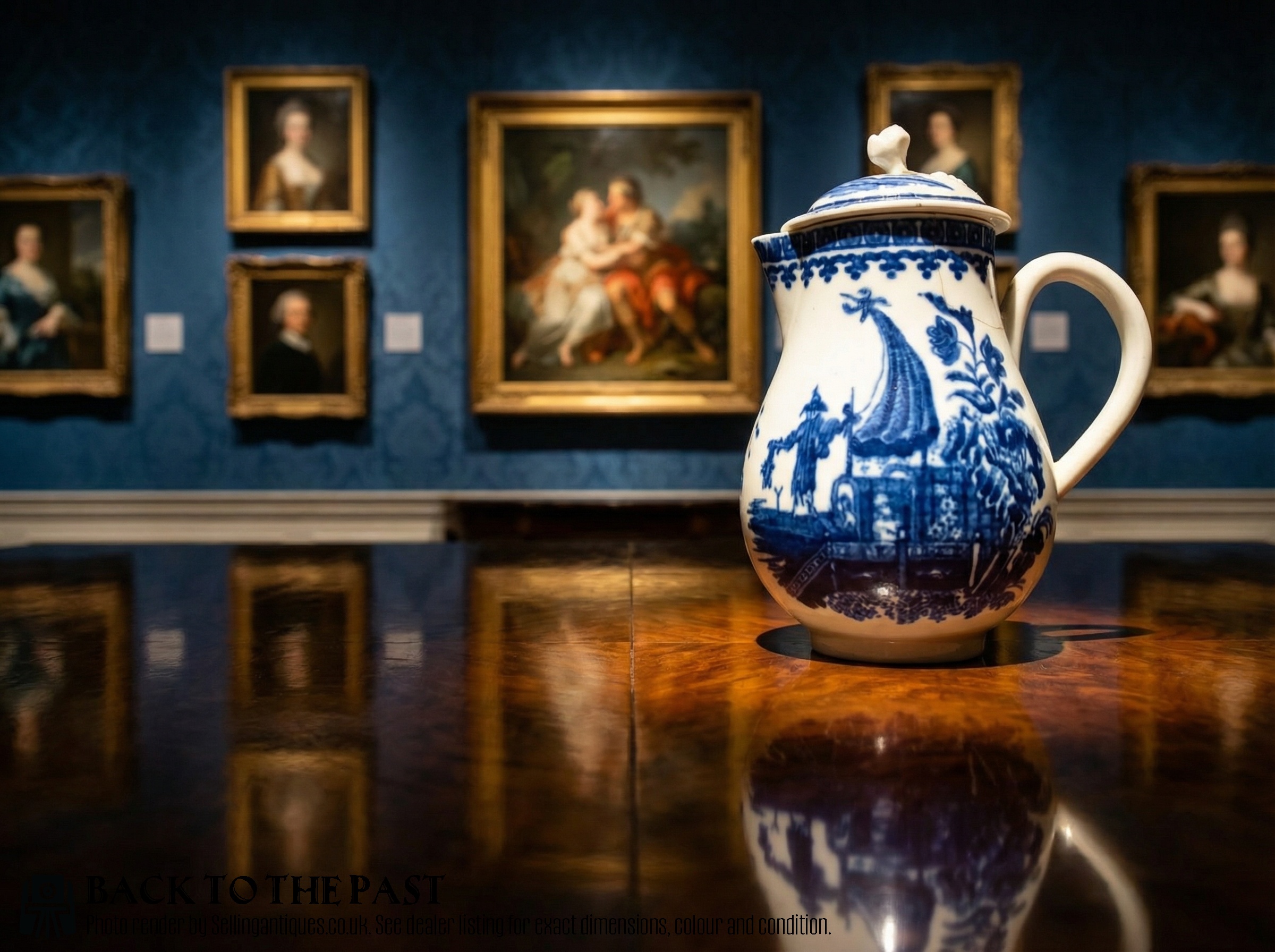
Quality rests in the crispness of the moulding and the skill of the hand-painted decoration. Finer pieces exhibit precise brushwork in floral enamels or detailed transfer printing like the fisherman pattern.
Dr Wall Worcester·New Hall·Derby Porcelain·Bow·John Rose Coalport·H & R Daniel
The Georgian Porcelain Cream Jug Glossary
- Soft-paste porcelain
- An artificial porcelain body made from clay mixed with glass frit and other ingredients. It fires at lower temperatures than hard-paste and reveals a warm tone under the glaze.
- Sparrow beak
- A small jug with a pinched lip resembling a bird's beak, common in eighteenth-century tea services.
- Underglaze
- Pigment applied to the ceramic body before the glaze is fired, protecting the colour beneath a glossy surface.
- Polychrome
- Decoration employing multiple distinct colours, typically hand-painted floral or landscape motifs on porcelain.
Georgian Porcelain Cream Jug: Frequently Asked Questions
What is soft-paste porcelain?
Soft-paste porcelain is an early ceramic composition containing glass frit rather than hard kaolin clay. It has a warm, creamy appearance when held to the light.
This material was utilised by English factories like Bow and early Worcester before hard-paste recipes became standard.
How were these jugs used?
These vessels served milk or cream at the formal tea table during the Georgian and Regency periods. They accompanied teacups, teapots, and sugar bowls.
Their small size reflects the high cost of tea and sugar at the time, which required modest portions.
How do I tell Worcester from New Hall?
First Period Worcester pieces often feature delicate underglaze blue painting or rich gilding on soft-paste bodies, sometimes marked with workman's symbols. New Hall porcelain frequently dates toward the end of the eighteenth century and utilises specific pattern numbers.
Comparing the paste texture and the style of the enamel painting helps separate the factories.