


English Porcelain Milk Pitcher
An English porcelain milk pitcher brings eighteenth and nineteenth-century ceramic history directly to the table.
English Porcelain Milk Pitcher
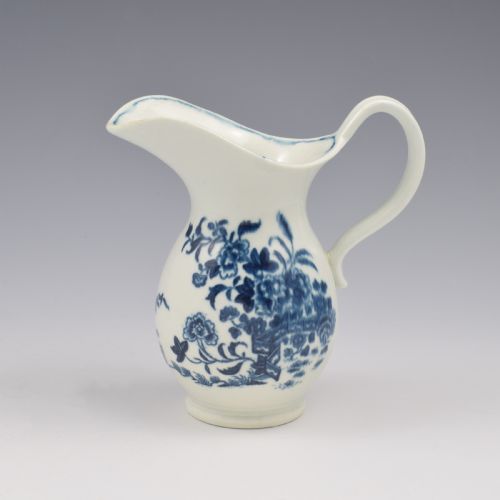
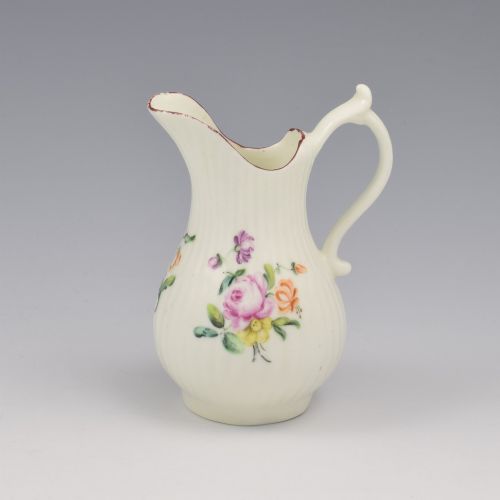
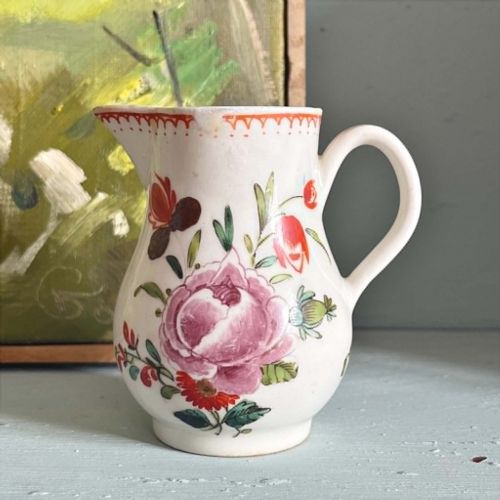
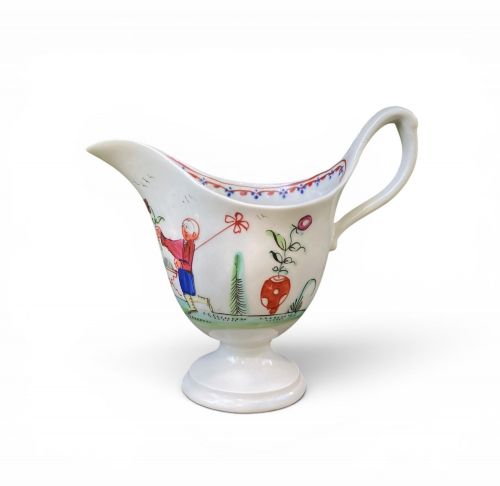
An English porcelain milk pitcher stands as a functional vessel created for domestic dining across several centuries. Buyers searching for an english porcelain milk pitcher encounter forms spanning the Georgian and Victorian eras, alongside later twentieth-century examples.
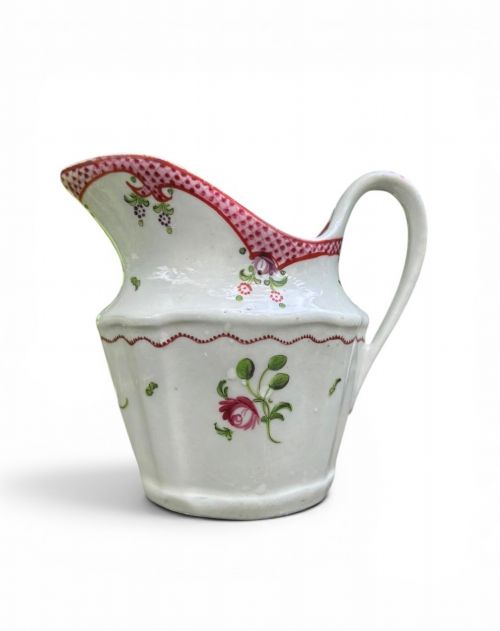
The selection ranges from early soft-paste sparrowbeak creamers to later bone china jugs decorated with hand-painted fruit and armorial crests. Makers such as Worcester, Derby, and New Hall dominate the early periods.
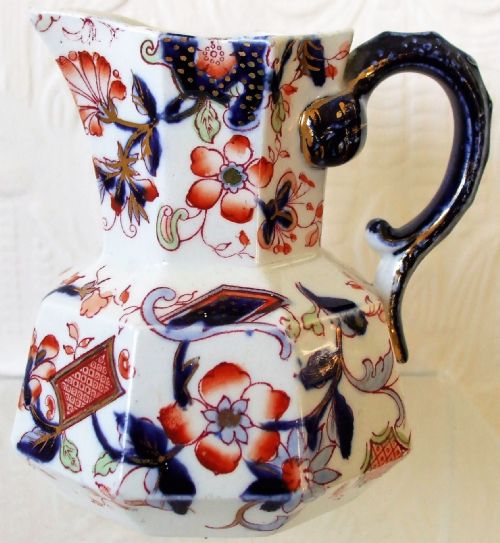
Vessels arrive in various styles including Rococo Revival, Regency, and traditional English designs. Common shapes include hydra jugs, low Chelsea ewers, and fluted baluster profiles.
Markers of fine craftsmanship
Quality rests in the delicacy of the porcelain body and the precision of the moulding. Early soft-paste pieces exhibit subtle variations in body texture that distinguish regional factories.
The skill of the painting determines the upper tier of the range, seen in finely executed floral panels, topographical views, and signed fruit compositions. Crisp gilding and well-preserved enamel colours further separate standard production from masterwork output.
Several eighteenth-century birds painted on these jugs appear to be pecking fruit with suspicious enthusiasm.
Dr Wall Worcester·New Hall Porcelain·Royal Worcester·H & R Daniel·Chamberlain Worcester
The English Porcelain Milk Pitcher Glossary
- Soft-paste porcelain
- An early ceramic composition fired at lower temperatures than hard paste, producing a warm translucent body.
- Sparrowbeak
- A small eighteenth-century cream jug featuring a pinched spout resembling a bird's beak.
- Hydra jug
- A ceramic pitcher characterised by a serpent-handle and classical moulded lip.
- Armorial
- A decorative crest or coat of arms painted onto porcelain for landed families.
- Copper lustre
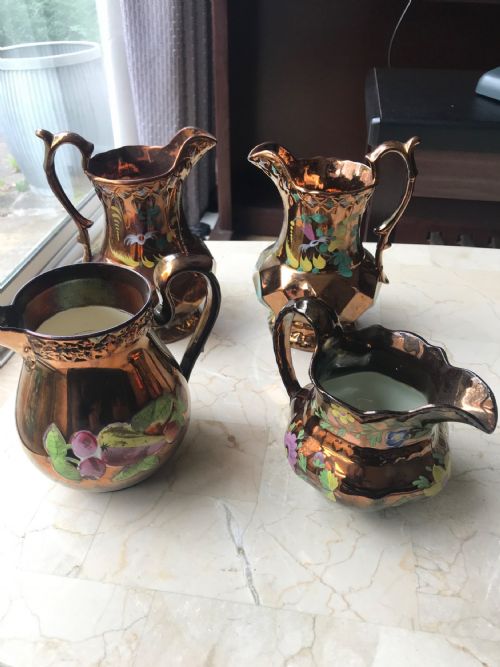
- A metallic glaze technique producing a reflective copper-coloured sheen over ceramic bodies.
English Porcelain Milk Pitcher: Frequently Asked Questions
How do I date an early porcelain milk pitcher?
Examination of the paste, glaze pooling, and base marks reveals the manufacturing period. Early eighteenth-century pieces often display unglazed foot rims and soft body textures.
Stylistic cues like sparrowbeak shapes and hand-painted polychrome florals further point towards specific decades of production.
What is the difference between soft paste and hard paste?
Soft-paste porcelain contains glass frit and clay mixtures fired at lower heats, creating a softer look beneath the glaze. Hard-paste porcelain uses true china clay and petuntse fired at higher temperatures.
Eighteenth-century English factories predominantly utilised soft paste before formulas shifted.
How were these pitchers used historically?
These vessels served cream and milk at tea and breakfast tables in wealthy Georgian and Victorian households. They functioned alongside teapots and sugar bowls as part of matching ceramic services.
Later nineteenth and twentieth-century examples continued this domestic tradition while frequently serving decorative roles.
Can I use an antique pitcher for daily dining?
Antique porcelain pitchers require careful handling due to age and delicate glaze surfaces. Hand washing in warm water preserves the enamels and gilding.
Many collectors prefer to display these fragile vessels or use them strictly for cold liquids rather than daily service.