
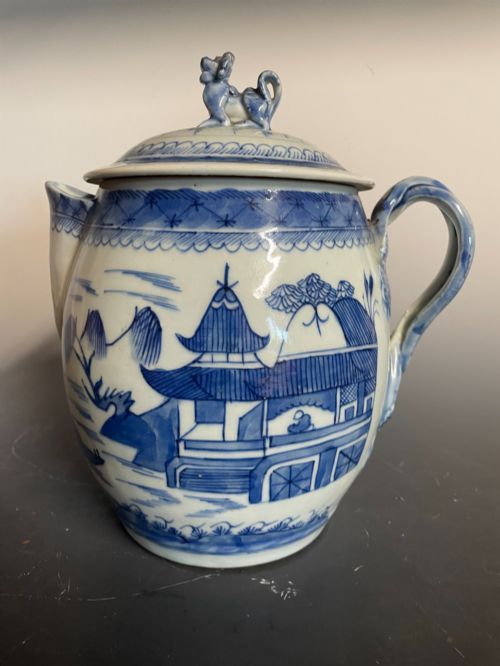


Hand Painted Porcelain Pitcher
A hand painted porcelain pitcher brings colour and utility together on the table, offering painted floral scenes and gilt handles for daily service or display.
Hand Painted Porcelain Pitcher
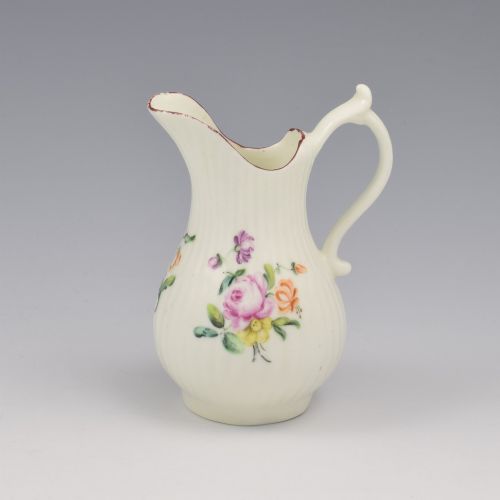
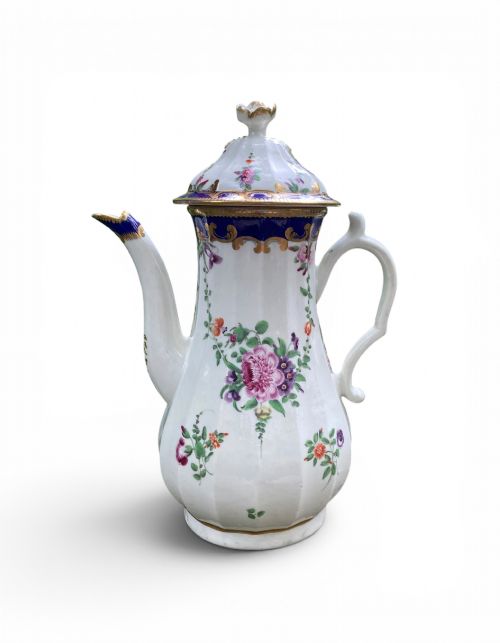
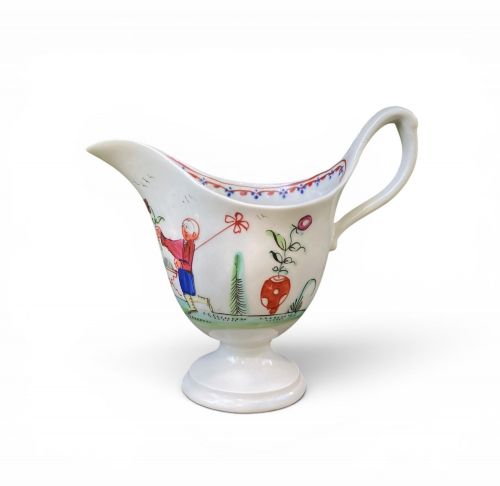
A hand painted porcelain pitcher is a functional or decorative vessel designed for pouring cream, milk, water, or wine, frequently shaped as a jug, ewer, or coffee pot.
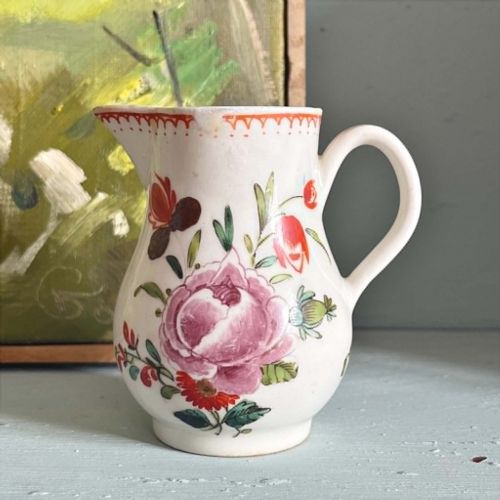
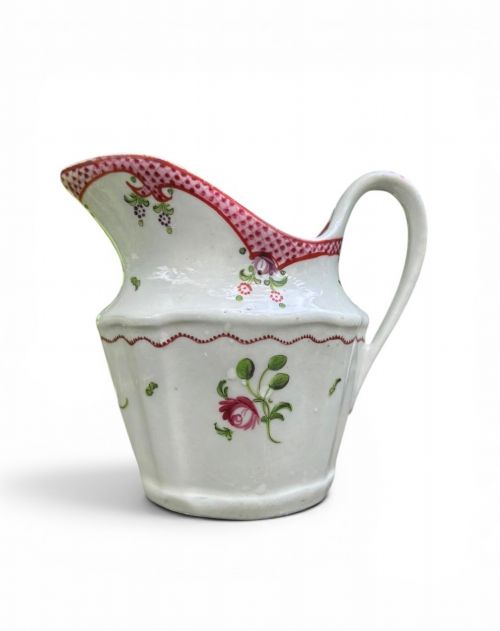
Buyers encounter forms spanning from eighteenth-century soft-paste creamers to nineteenth-century Victorian ewers and twentieth-century painted fruit jugs.
Origins stretch across English factories such as Worcester, Derby, and Coalport alongside continental makers like Meissen, Paris, and Vienna.
Materials and construction
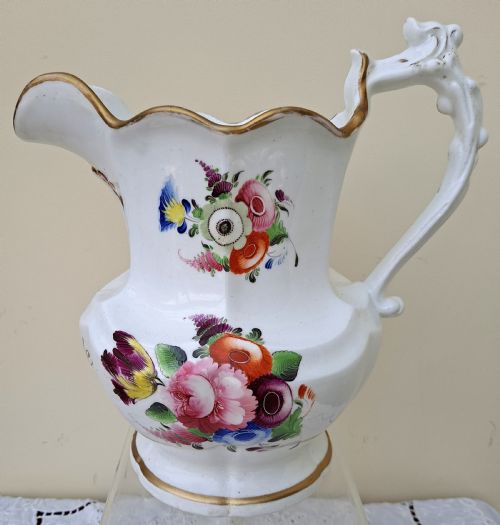
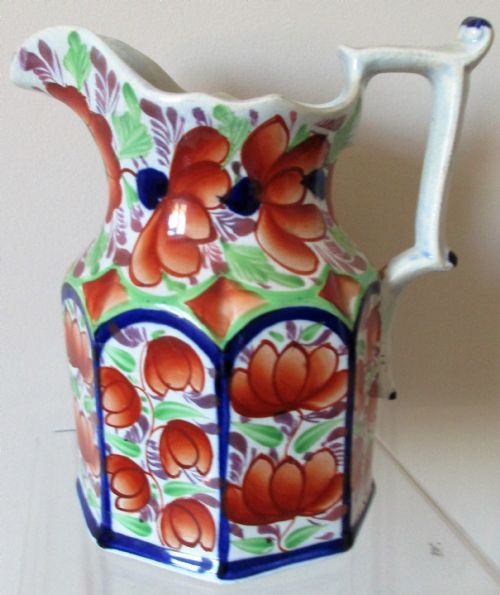
Potters shaped hard-paste and soft-paste porcelain on the wheel or in moulds before applying hand-painted polychrome enamels, botanical studies, or bird motifs.
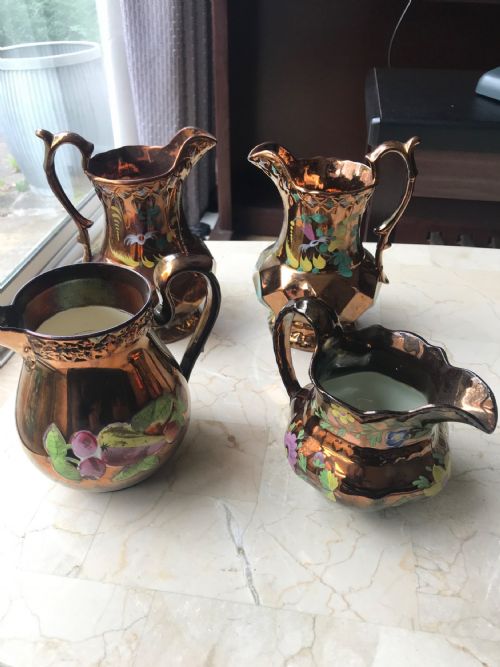
Finishers enriched many pieces using gold leaf, gilding, and copper lustre to highlight rims, spouts, and handles.
Kiln firing fixed the underglaze cobalt blue and enamel pigments onto the body, sometimes incorporating a blush ivory ground or printed transfer outlines.
Birds and insects perch quietly across nineteenth-century Meissen jugs, painted meticulously by hands that observed nature close up.
Judging the work
The precision of the brushwork defines the tier, separating rapid floral dabs from detailed botanical or landscape painting by named hands.
The crispness of the porcelain moulding and the restraint in applying gold leaf or gilding distinguish standard production from exhibition pieces.
Derby Porcelain·Bow porcelain·Worcester porcelain·New Hall porcelain·Meissen·H & R Daniel·Royal Worcester·Chamberlain Worcester·John Rose Coalport·Doulton Burslem·Vienna porcelain·Rockingham Porcelain
The Hand Painted Porcelain Pitcher Glossary
- Ewer
- A large pitcher with a wide spout and curved handle, often used for display or water service rather than cream. These vessels frequently display elaborate Rococo Revival or Persian influences.
- Sparrowbeak
- A small, pinched-lip cream jug common in eighteenth-century porcelain production. The narrow beak allows precise pouring into tea cups.
- Gilding
- The application of gold leaf or gold paint to ceramic surfaces. It frames painted panels and accentuates handles and rims.
- Blush ivory
- A matte cream-coloured porcelain ground developed by Royal Worcester. It provides a soft background for hand-painted flowers.
- Soft-paste
- An early porcelain body composed of clay and glass frit rather than hard-paste kaolin. It presents a warm, creamy translucence under glaze.
Hand Painted Porcelain Pitcher: Frequently Asked Questions
How do I use an antique pitcher?
These vessels suit pouring cream at the table or holding small floral stems on a sideboard. Hand washing protects the delicate enamel painting and gold leaf from wear.
Older soft-paste items require extra care due to their sensitivity to thermal shock and modern detergents.
How can I tell eighteenth century pieces apart?
Early pieces from factories like Bow or Derby rely on soft-paste porcelain bodies that show a warm, translucent glow under strong light. Their painted floral palettes tend to use bright enamel colours applied directly over the glaze or fired low.
Later nineteenth-century pieces adopt harder porcelain formulas and more uniform factory marks.
Are painted fruit designs modern?
Detailed fruit painting on pieces by makers like Royal Worcester dates back to the late nineteenth and early twentieth centuries. Artists signed their work to highlight individual skill in rendering peaches, grapes, and berries against mossy backgrounds.
These later decorative pieces differ from simple eighteenth-century floral sprigs.