


Vintage Royal Worcester Cream
Vintage royal worcester cream encompasses porcelain jugs, tableware and decorative vessels defined by fine ceramic bodies and delicate hand painting.
Vintage Royal Worcester Cream
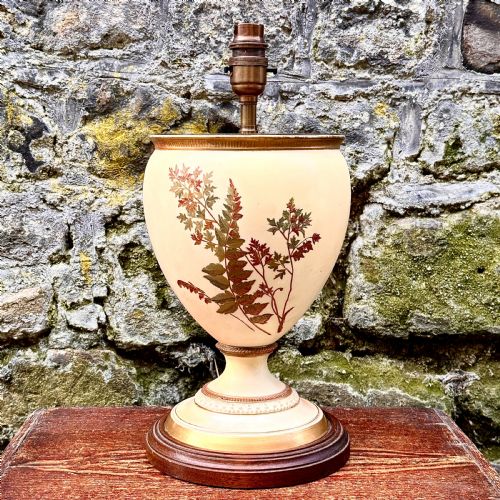
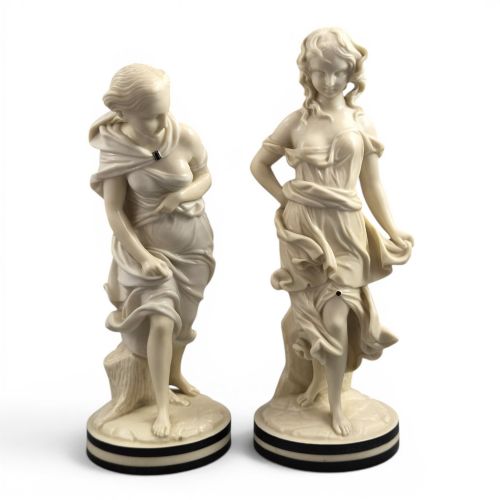
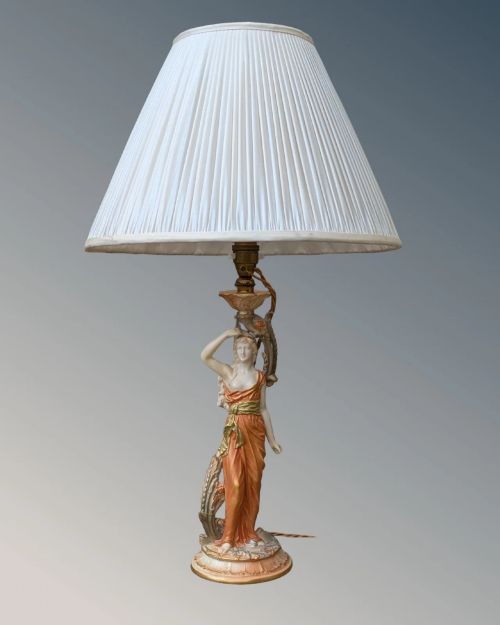
Vintage royal worcester cream items span useful vessels like cream jugs and sugar bowls alongside decorative vases, ewers, lamps and figurines. You encounter creations stretching from the Victorian era through the Edwardian period into the 1920s, 1930s, 1940s and 1960s.
Materials and production methods
Potters shaped fine porcelain and Parian ware into delicate vessels and figures, occasionally mounting components with brass or supporting them on wood bases. The ceramic body provides a smooth canvas for detailed artistic work.
Decorators applied enamel paints, gilding and gold leaf by hand to accent the porcelain forms. Master artists signed their work directly onto the ceramic surface before final firing.
Listings feature porcelain forms spanning the Victorian and Edwardian eras through the 1920s, 1930s, 1940s and 1960s.
Distinguishing quality across the range
Execution of hand painted subjects sets pieces apart, particularly detailed naturalistic scenes of fruit, birds or cattle rendered by named artists. The precision of the brushwork and depth of the enamel colour dictate the artistic standing of the item.
Complexity of form and the application of gilding or gold leaf contribute significantly to the distinction of individual items. Sculptural pieces benefit from careful modelling and fine finishing of the porcelain surface.
James Hadley·H Davis·Freeman·Jas Stinton·Ricketts·K Blake
The Vintage Royal Worcester Cream Glossary
- Parian ware
- A fine unglazed biscuit porcelain resembling white marble, frequently utilised for Victorian figures and sculptural pieces.
- Ewer
- A large ornamental jug with a wide spout and handled shape, often produced as a decorative display object.
- Spill vase
- A tall slender vessel designed to hold taper spills used for lighting fires before the invention of safety matches.
- Gilding
- The application of gold leaf or powdered gold to ceramics, providing metallic highlights along rims and handles.
- Ovoid
- An egg shaped ceramic form that swells gently in the centre before tapering towards the base and neck.
Vintage Royal Worcester Cream: Frequently Asked Questions
What items are included in royal worcester cream?
The category includes functional cream jugs and cream and sugar sets alongside decorative porcelain vases, ewers, lamps and painted figures.
Many pieces showcase painted fruit or natural scenes executed by studio artists on fine ceramic bodies.
How do I date vintage royal worcester porcelain?
Dating relies on recorded production periods, stylistic attributes of Edwardian and Victorian design, and specific artist signatures.
Manufacturers often stamped ceramic bases with marks that indicate the decade of creation.
Are painted fruit scenes common on these ceramics?
Painted fruit decorations appear frequently on jugs, spill vases and bowls created during the early twentieth century.
Artists like Ricketts and Stinton specialised in naturalistic fruit and bird subjects rendered in rich enamel colours.
How should I care for painted porcelain pieces?
Display porcelain away from direct sunlight to protect hand painted enamel details and gold leaf gilding from fading.
Dust gently with a soft dry cloth and wash functional cream jugs by hand in lukewarm water when necessary.