




18th Century Milk Pitcher
An 18th century milk pitcher brings genuine period elegance to the table, combining practical form with exquisite ceramic and silver artistry.
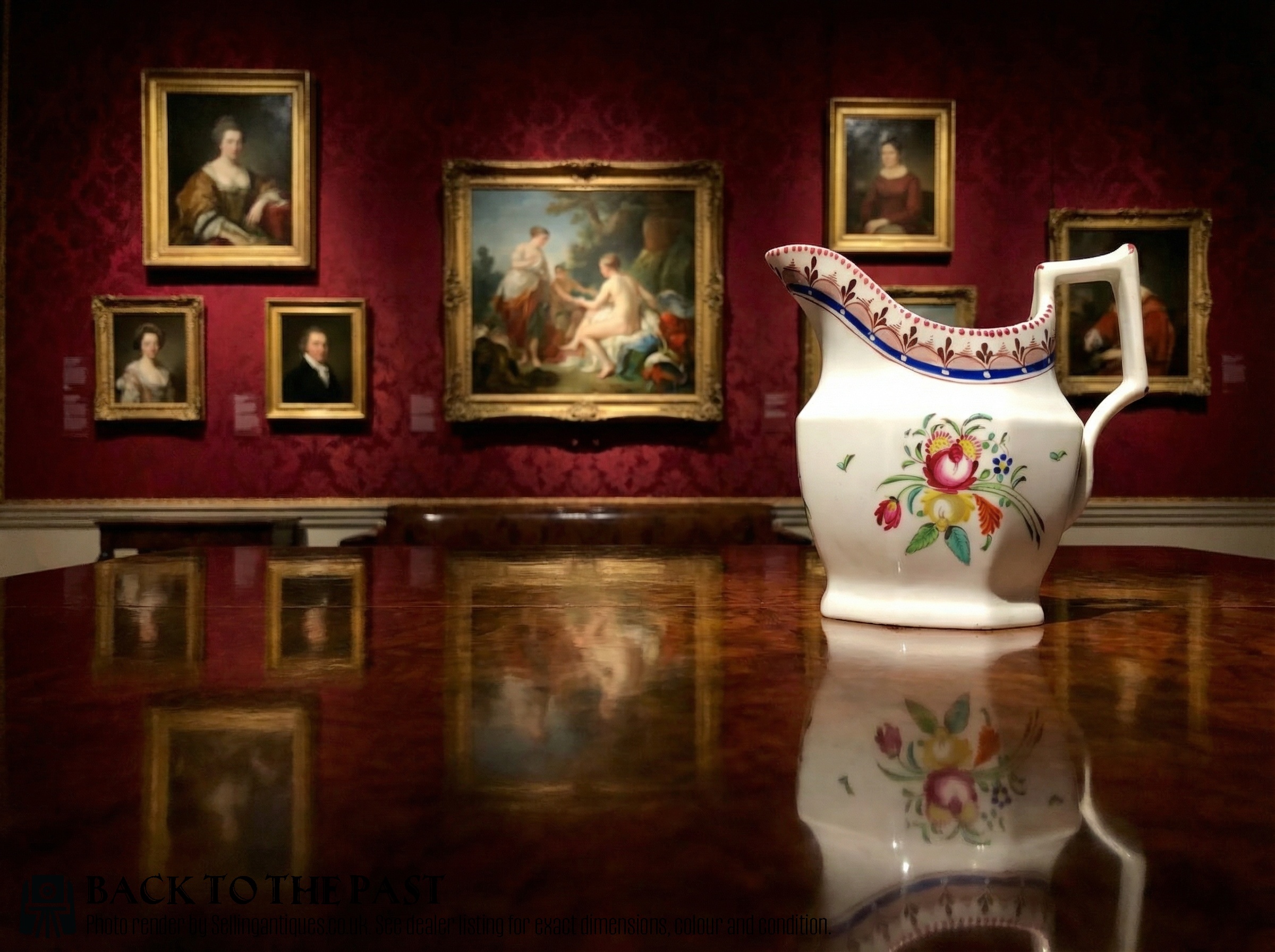
18th Century Milk Pitcher
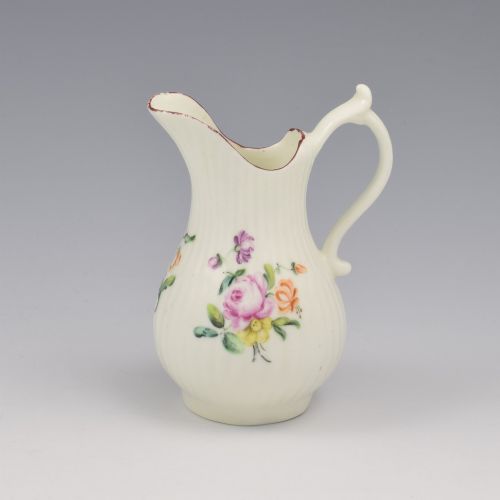
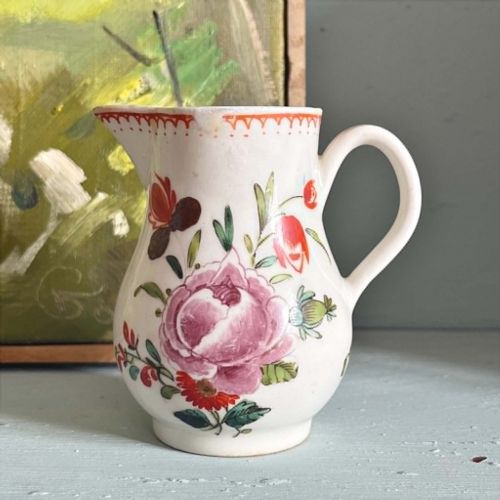
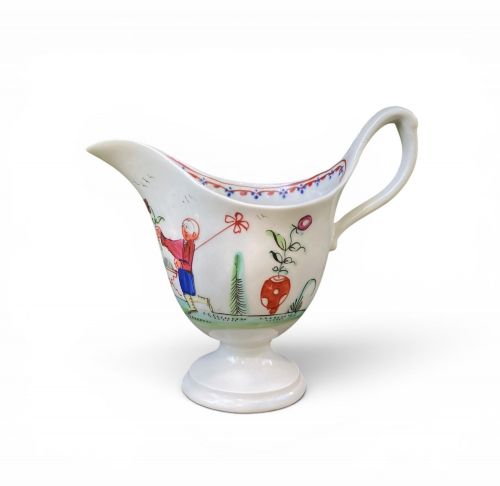
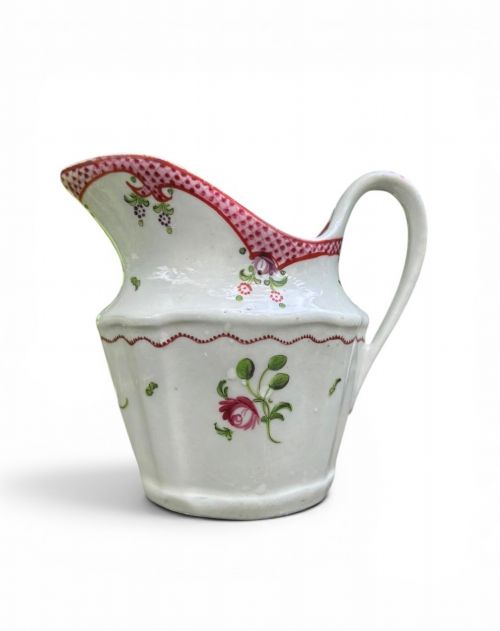
An 18th century milk pitcher primarily takes the form of small cream jugs, sparrow beak ewers, and helmet creamers designed for tea service. These pieces emerge from the Georgian era, encompassing periods from George I through George III alongside various provincial and export origins.
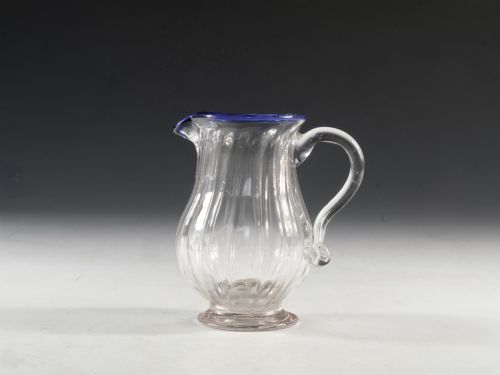
Forms range from simple baluster shapes to elaborate rococo and neoclassical designs, occasionally including glass and creamware variants. Each piece reflects the domestic rituals of tea drinking during the 1700s, serving both utilitarian and decorative roles in wealthy households.
How they were made
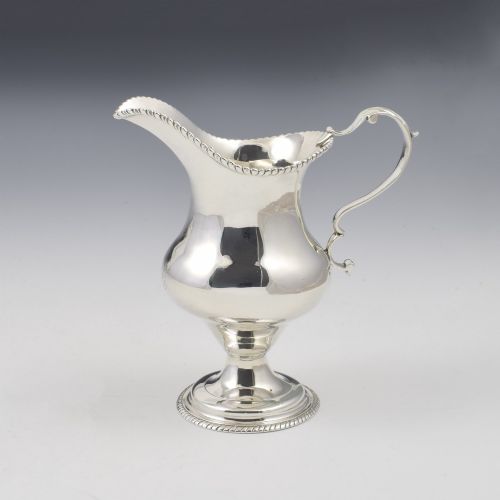
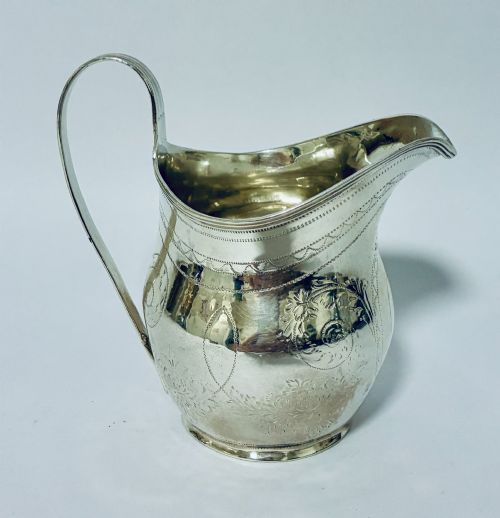
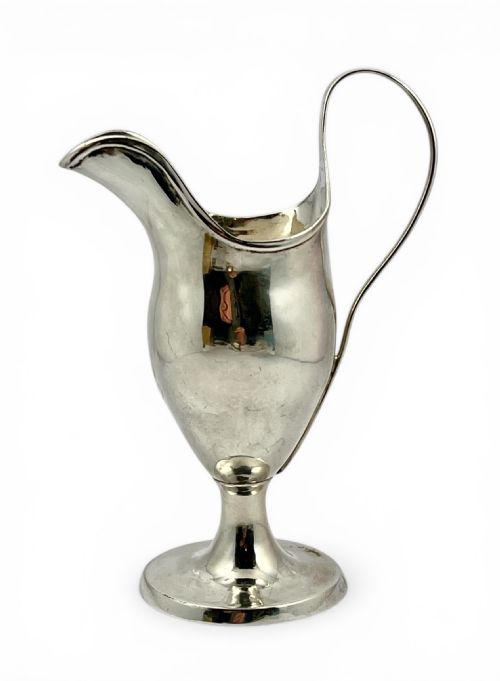
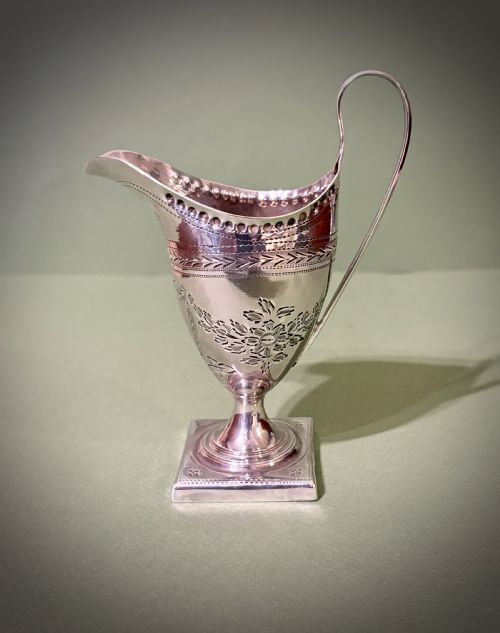
Silver pitchers start as solid sterling sheets, hammered, raised, and shaped into helmets or balusters, often finished with gadrooned borders or cast handles. Silversmiths applied hallmarks to record the year, city, and maker.
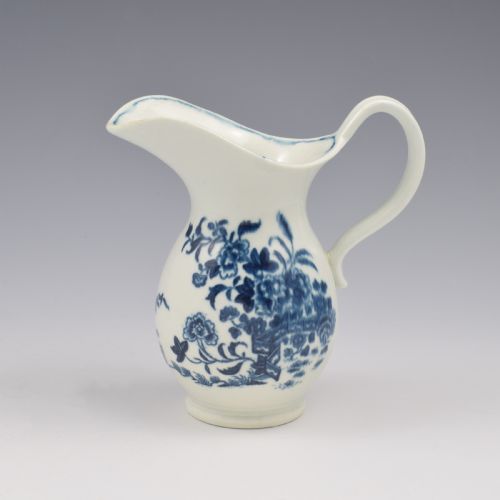
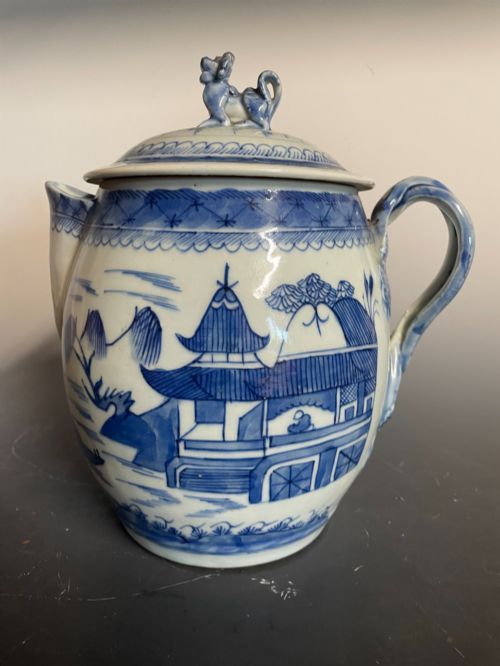
Ceramic creamers utilise soft-paste porcelain or creamware bodies, shaped either by throwing on a wheel or moulding in sections such as low Chelsea ewers. Artisans then applied lead glazes and hand-painted polychrome floral motifs or underglaze blue before kiln firing.
Materials range from sterling silver and lead glass to delicate soft-paste porcelain and refined creamware.
What varies in quality
Quality rests upon the crispness of the modelling and the precision of the hand-painting or silversmithing. Finer porcelain vessels display delicate, thin walls with vibrant, stable enamel colours and well-defined moulded details like parrot masks or fluting.
Silver pieces differ through the weight of the metal, the balance of the handle, and the clarity of the maker stamps and town marks. Superior examples exhibit harmonious proportions and expert finishing that elevate a simple domestic utensil into high art.
Stalker & Mitchison·Peter & Ann Bateman·James Gordon
The 18th Century Milk Pitcher Glossary
- Sparrow beak
- A small porcelain cream jug featuring a distinctive pinched spout resembling a bird's beak. These typically date from the mid-18th century and hold small quantities of milk or cream.
- Soft-paste porcelain
- An artificial ceramic body composed of white clay mixed with glass frit and ground minerals. It fires at lower temperatures than hard paste and yields a warm, creamy translucent glaze.
- Helmet jug
- A silver cream pitcher shaped like an upturned classical helmet, resting on a square or moulded foot. The form gained immense popularity during the George III period.
- Creamware
- A refined earthenware developed in Yorkshire and Staffordshire featuring a pale yellow or cream-coloured lead glaze. It offered an affordable yet elegant alternative to porcelain.
- Gadrooning
- A decorative carved or embossed border consisting of convex curves or flutes. Silversmiths frequently applied this ornamentation around the rims and bases of Georgian vessels.
18th Century Milk Pitcher: Frequently Asked Questions
How were these pitchers used?
These vessels served to hold milk or cream at the formal tea table during the Georgian period. Servants poured fresh cream from them into individual cups.
Over time, they became central display pieces on mahogany tea trays, reflecting the host's wealth and taste in social settings.
How do I clean an old silver pitcher?
Clean sterling silver items gently using warm water, mild soap, and a soft cloth. Avoid harsh chemical dips that strip away the aged patina.
Dry the metal thoroughly after washing to prevent water spots and preserve the original surface texture.
Can I use porcelain creamers daily?
Historic soft-paste porcelain and creamware are delicate and vulnerable to thermal shock or sudden impact. Daily use requires extreme care and hand washing rather than machine cleaning.
Many collectors prefer to display them safely or limit their use to special family occasions to prevent accidental damage.
How do I date a silver jug?
Dating relies on the assay office marks, maker's initials, and date letters stamped directly onto the sterling silver surface. These official hallmarks record the exact year and city of manufacture.
Stylistic elements like gadrooning or helmet shapes further help narrow down the production period.