
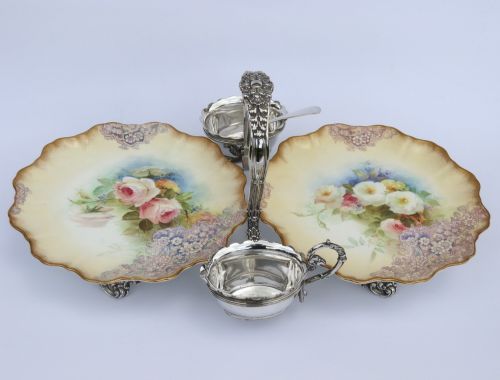


Floral Painted Cream Jug
A floral painted cream jug brings delicate hand-decorated botanical charm to the table, pairing practical pouring forms with vibrant ceramic artistry.
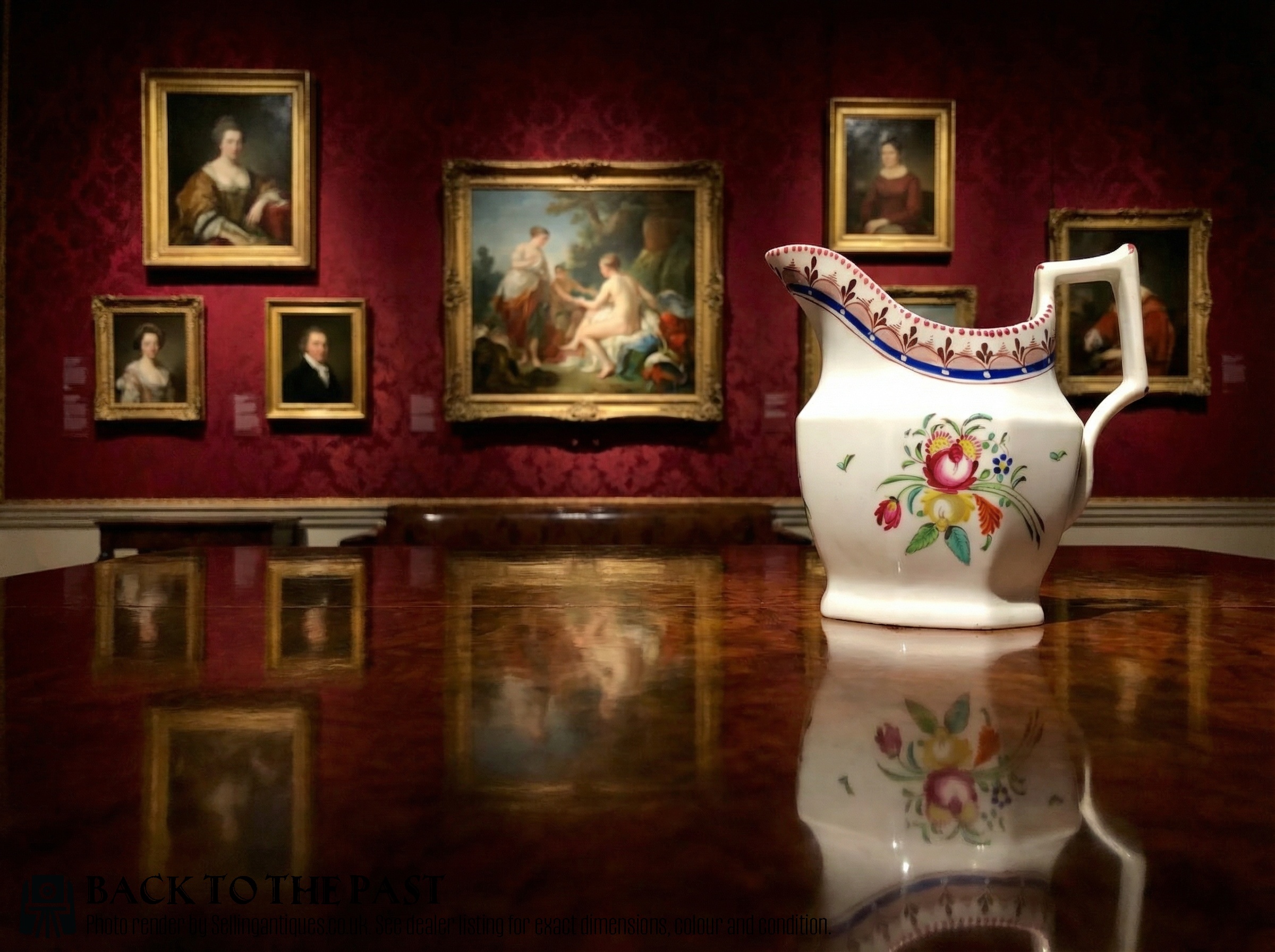
Floral Painted Cream Jug
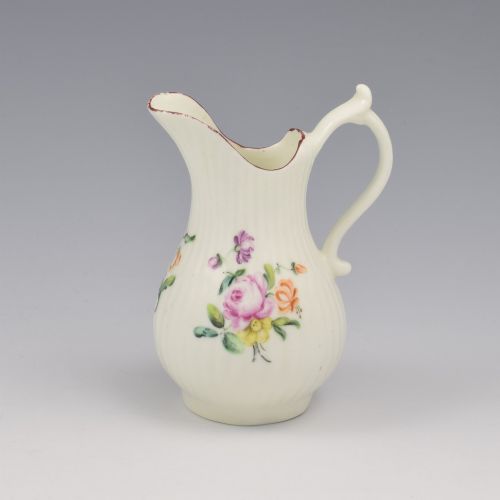
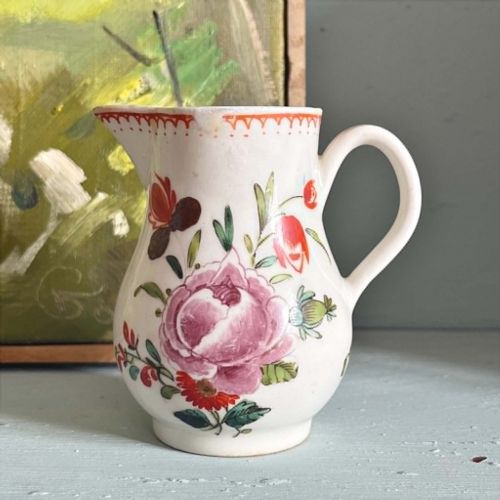
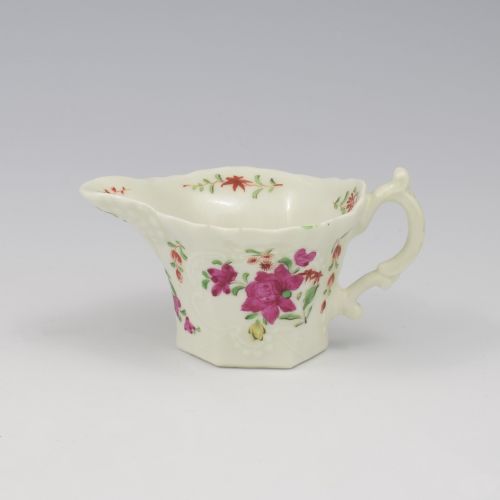
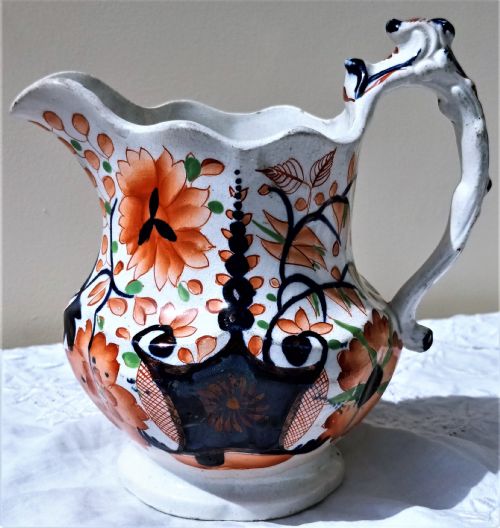
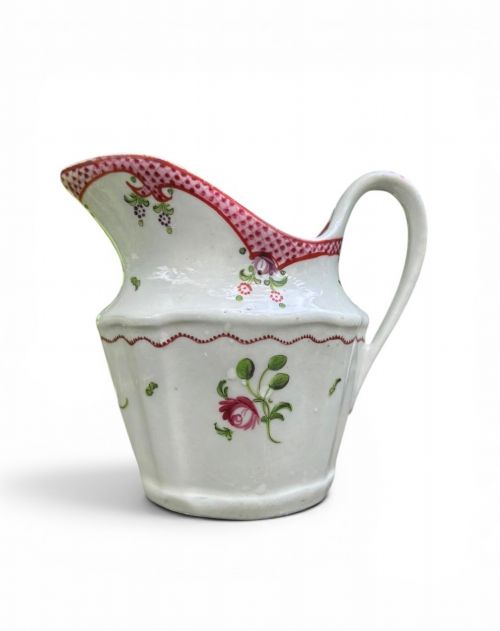
A floral painted cream jug is a small pouring vessel decorated with hand-painted or polychrome floral motifs, originating across the eighteenth and nineteenth centuries. You encounter forms ranging from sparrowbeak creamers and fluted baluster jugs to decorative ewers and sauce boats.
The pieces span Georgian and Victorian periods, drawing upon Rococo, Victorian Rococo Revival, and Aesthetic Movement styles. Makers and factories utilise porcelain, soft-paste porcelain, earthenware, and pearlware to shape these utilitarian yet decorative items.
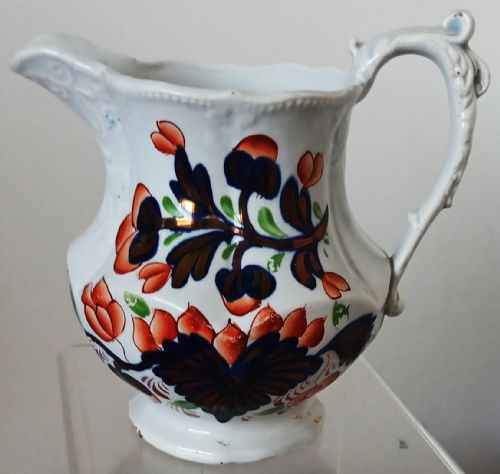
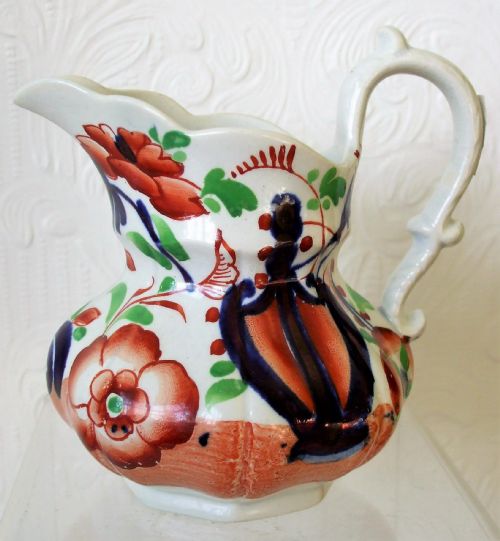
Early examples date from the mid-eighteenth century in Derby, Bow, Worcester, Meissen, and Chinese export porcelain. Later nineteenth-century varieties include Staffordshire pottery, Gaudy Welsh patterns, and extensive ranges from Royal Worcester and Doulton Burslem.
Materials and construction
Potters shaped these vessels using hard-paste porcelain, soft-paste porcelain, pearlware, and earthenware, often adding cabbage leaf moulding or fluted baluster profiles. Glazes were applied to smooth the ceramic body before artists painted floral designs directly onto the surface.
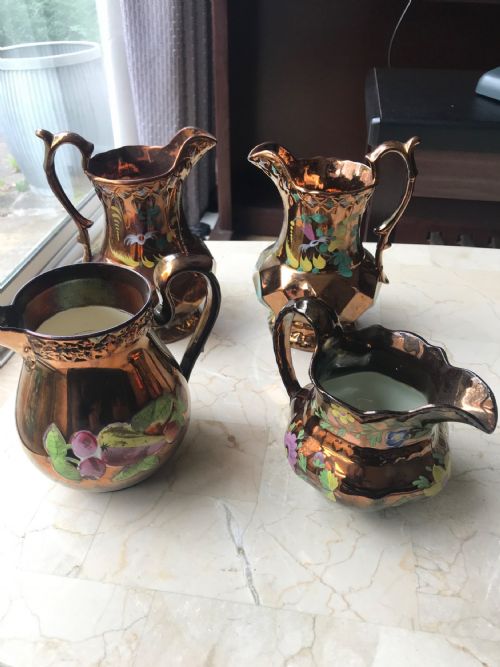
Decoration relied on polychrome enamel paints, sometimes enhanced with gold leaf and gilding to highlight rims, handles, and spouts. Copper lustre techniques and transfer printing further enriched the surfaces of nineteenth-century Staffordshire and Welsh pottery pieces.
Some eighteenth-century potters modelled cream jugs as leaping dolphins, proving that even dairy service needed a splash of sea-creature drama.
Assessing quality and craftsmanship
Quality rests in the crispness of the moulding, such as the clean definition of a dolphin ewer or fluted body, alongside the delicacy of the ceramic wall. Finer bodies demonstrate thinner casting and superior translucency in porcelain examples.
The skill of the painting dictates distinction, visible in the precision and shading of the hand-decorated polychrome flowers and foliage. Application of gold leaf and the smoothness of the glaze further separate standard domestic wares from exceptional factory productions.
Derby Porcelain·Bow porcelain·Worcester Porcelain·New Hall porcelain·Walker and Hall·Doulton Burslem·Meissen·Royal Worcester·John Rose Coalport·Crown Derby
The Floral Painted Cream Jug Glossary
- Sparrowbeak
- A small, early porcelain cream jug featuring a distinctive pinched spout resembling a bird's beak. This form is frequently found on eighteenth-century pieces.
- Soft-paste porcelain
- A ceramic composition fired at lower temperatures than hard-paste porcelain, used extensively by eighteenth-century English factories. It produces a warm, slightly translucent body.
- Pearlware
- A refined earthenware developed in the late eighteenth century with a bluish-white glaze that pooled in recesses. It served as a popular canvas for bright painted patterns.
- Ewer
- A large jug with a wide spout and elaborate handle, often treated as a decorative ornamental piece rather than a simple table vessel. Many Victorian examples display Persian influences.
- Gaudy Welsh
- A vibrant, brightly coloured pottery style produced in the nineteenth century featuring cobalt blue, iron-red, copper lustre, and green. Popular patterns include geometric motifs and pagodas.
Floral Painted Cream Jug: Frequently Asked Questions
How were these jugs used?
These vessels served a practical function on the dining table or tea service, holding cream or milk to pour into cups.
Over time, many larger ewers and decorative jugs transitioned into purely ornamental pieces displayed on mantelpieces or within cabinets.
How do I date a porcelain cream jug?
Dating relies on examining the paste, glaze characteristics, and factory marks where present. Eighteenth-century pieces often display unglazed foot rims and soft-paste bodies.
Stylistic cues like Rococo curves or Victorian floral transfer prints provide further chronological context.
Can I use antique jugs for serving?
While structurally sound, antique porcelain and earthenware require careful handling and hand washing to protect fragile enamels and gilding.
Many collectors prefer to exhibit them as cabinet pieces or use them gently for display rather than daily dining.
What is a sparrowbeak creamer?
A sparrowbeak creamer is an eighteenth-century miniature jug characterised by its distinctively narrow, pointed pouring lip.
This specific shape was designed for controlled pouring of expensive cream during formal tea ceremonies.