



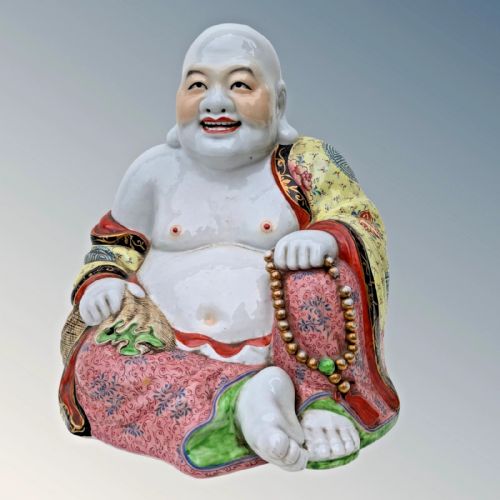


Floral Porcelain Figurines
Floral porcelain figurines capture human and animal forms adorned with blossoms, ranging from eighteenth-century table ornaments to nineteenth-century continental interpretations.
Floral Porcelain Figurines
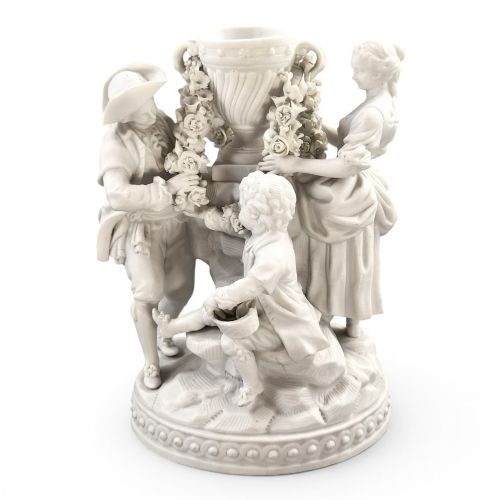
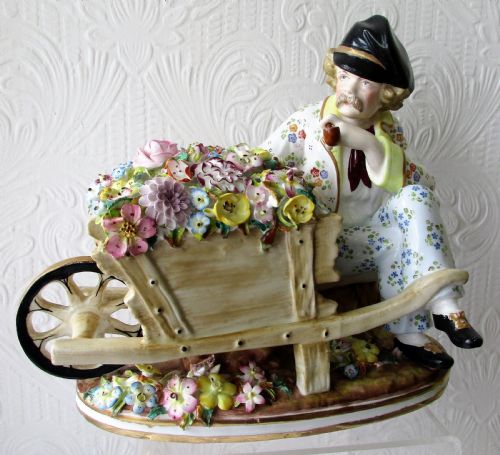
Floral porcelain figurines encompass sculptural groups, individual figures, and figural candlesticks decorated with modelled blooms and foliage. These works emerge from major European centres such as Derby, Bow, Meissen, and Paris manufactories, spanning the eighteenth, nineteenth, and early twentieth centuries.
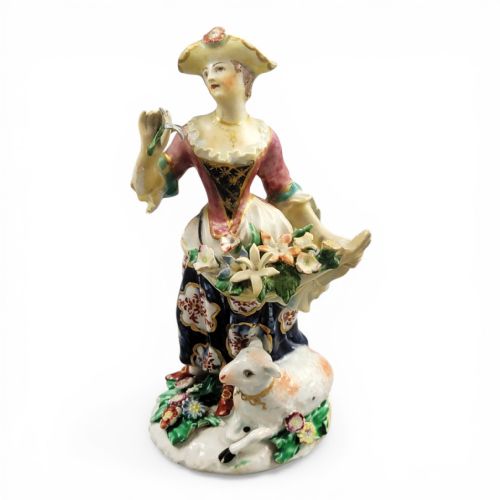
Buyers encounter subjects like shepherdesses, gardeners, maidens, and children entwined with floral garlands or standing on bocage bases. The selection balances early English models with continental Victorian revivals in rococo styles.
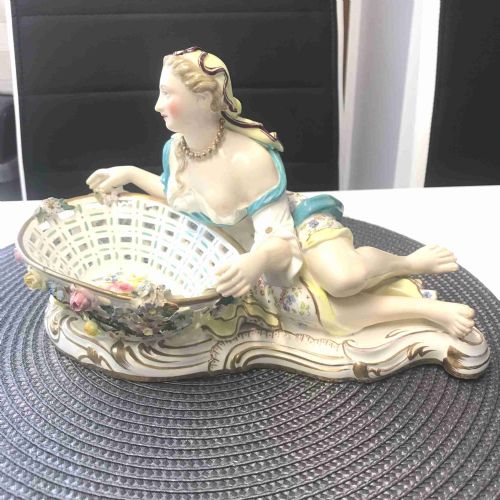
Forms extend beyond simple statuary to incorporate sweetmeat baskets, chambersticks, and candelabra where flowers form an integral part of the sculptural composition.
Materials and Construction
Manufacture relies on hard-paste porcelain and biscuit porcelain bodies moulded or hand-modelled into complex figural shapes. Artisans applied delicate hand-formed porcelain petals and leaves individually to the surfaces.
Listings feature hard-paste porcelain, biscuit porcelain, enamel glaze, and gold leaf across Victorian, Edwardian, and Georgian periods.
Assessing Quality and Execution
Quality rests upon the crispness of the modelling in the figures and the botanical precision of the individual flowers. Superior examples display fine, thin petals and leaves that retain their sharpness without becoming heavy or clumsy.
The sophistication of the enamel painting and the sparing use of gilding distinguish better works from mass-produced decorative items. Retained factory marks and original pairing also elevate the standing of a piece.
John Bevington·Royal Worcester·Bow Porcelain·Derby Porcelain·Vion and Baury Paris·Minton·Sitzendorf·Royal Berlin
The Floral Porcelain Figurines Glossary
- Bocage
- A background of modelled leaves and flowers attached to porcelain figures. It mimics a leafy hedge or arbour.
- Biscuit porcelain
- Unglazed porcelain fired once to produce a matte, white surface resembling marble. It shows fine detail clearly.
- Hard-paste porcelain
- A durable ceramic compound of kaolin and petuntse fired at high temperatures. It forms the basis of many continental figures.
- Sweetmeat dish
- A small vessel designed for serving confectionery or dried fruits at the table. They often feature figural supports.
Floral Porcelain Figurines: Frequently Asked Questions
What is bocage on antique figures?
Bocage is a decorative background of applied porcelain leaves and flowers that frames the central figures. It originates in eighteenth-century factory designs to simulate outdoor garden settings.
This foliage is exceptionally delicate and often sustains minor losses over centuries. Examine these background areas carefully when assessing a piece's condition.
How do I distinguish eighteenth-century pieces?
Early pieces from factories like Bow or Derby exhibit softer paste bodies and spontaneous modelling. Their floral elements tend to be slightly thicker and more integrated into the overall movement of the sculpture.
Later Victorian revivals often feature brighter enamel glazes and harder porcelain bodies. Comparing the weight and glaze texture helps separate early models from nineteenth-century copies.
Can I use figural candlesticks for candles?
Keep lit candles away from these antique pieces to prevent heat damage or wax staining on the porcelain and gilding. The wax can seep into unglazed biscuit areas and prove impossible to remove safely.
Display them unlit as sculptural works rather than functional lighting. This preserves the enamel decoration and prevents accidental tipping.