
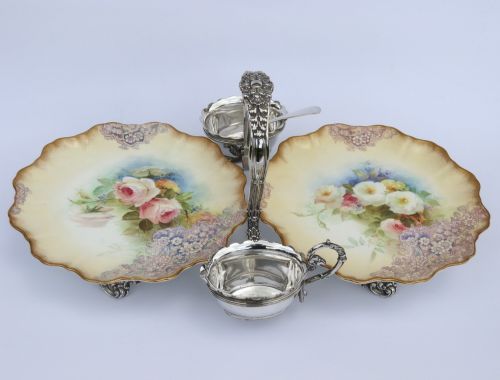


Victorian Ceramic Tableware
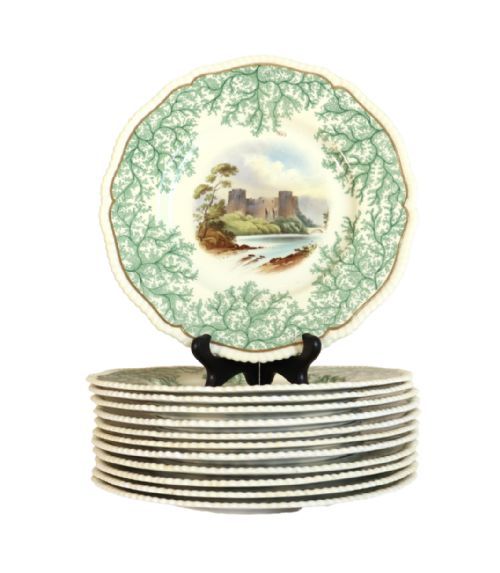
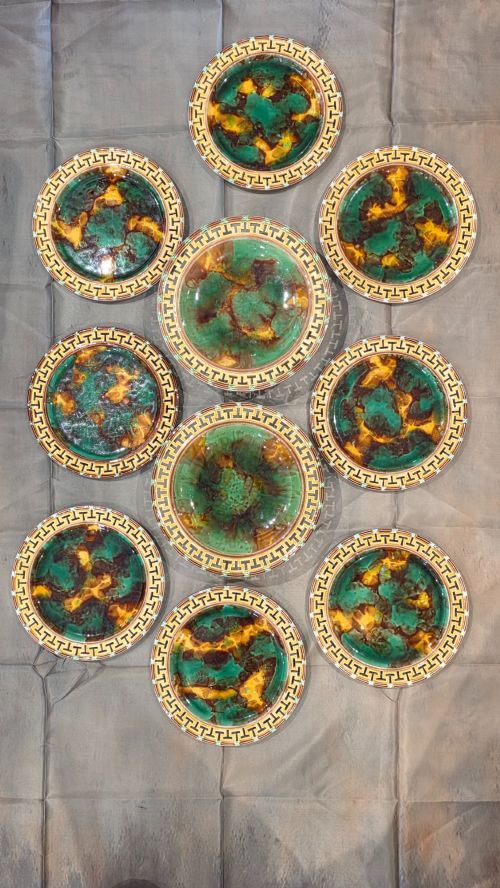
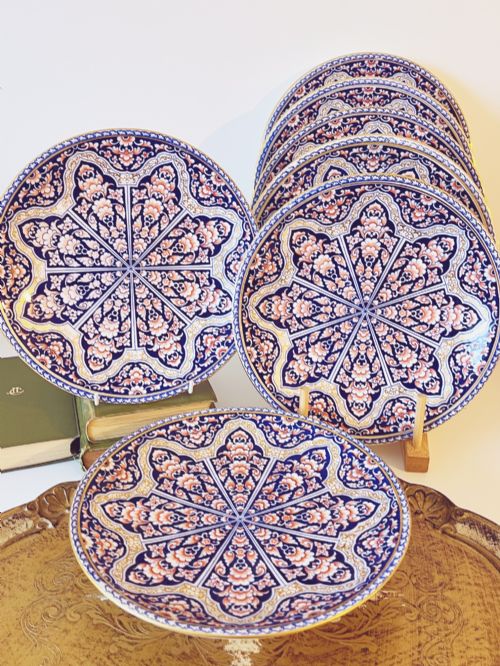
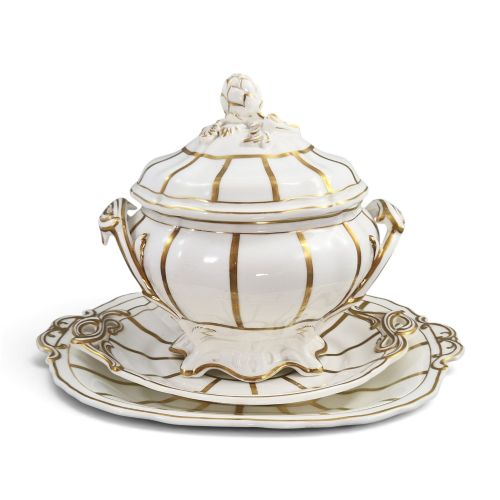
These robust and highly decorative examples of victorian ceramic tableware bring nineteenth-century dining rooms vividly back to life through colourful glazes and intricate hand-painted designs.
Victorian Ceramic Tableware
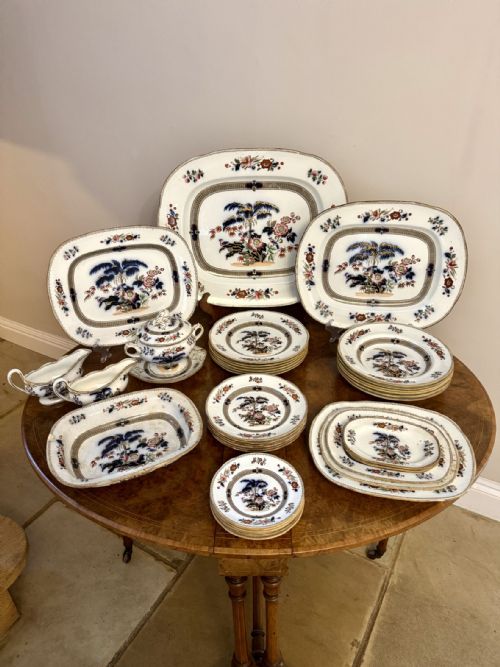
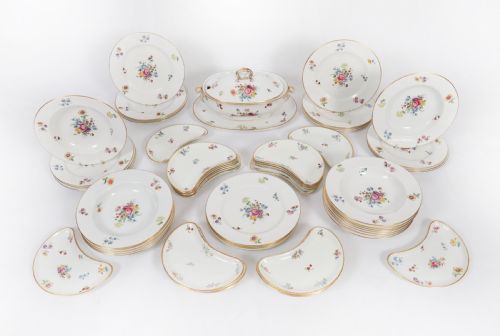
When you search for victorian ceramic tableware, you encounter a diverse array of nineteenth-century functional and decorative items intended for the dining table. These pieces range from extensive multi-piece dinner and dessert services down to individual tureens, plates, jugs, and specialised vessels like cheese dishes and spoon warmers. The selections span the decades from the mid-nineteenth century into the Edwardian era, reflecting shifting dining habits and domestic rituals.
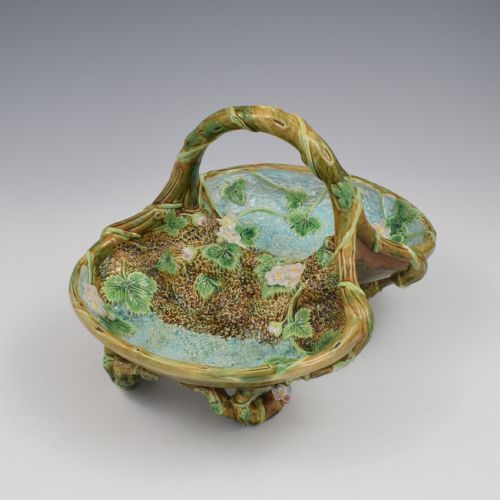
You are most likely to meet earthenware, bone china, ironstone, and stoneware forms on this page, often adorned with transfer printing, rich enamel colours, or sculptural majolica glazes. Makers such as Wedgwood, Masons, and Royal Crown Derby produced everything from everyday blue and white meat platters to elaborate botanical creamware and sculptural fruit baskets. These objects served practical culinary functions while displaying the owner's social standing to dinner guests.
How they were made
Potters utilised durable bodies such as heavy ironstone, refined bone china, and dense stoneware to withstand the rigorous demands of nineteenth-century dining. Earthenware and creamware formed the foundation for many transfer-printed and hand-painted services, while specialised formulas like jasperware and majolica allowed for matte coloured reliefs and vibrant lead-glazed surface modelling.
Surface decoration combined mechanical techniques with skilled artisan handwork, including blue and white transfer printing alongside meticulous hand-painted floral motifs and gilding with gold leaf. Glazes were applied to seal the ceramic body and provide a glossy finish, sometimes contrasted with textured stoneware or colourful enamel highlights that required multiple firings in the kiln.
Listings feature periods spanning from the 1850s through the Edwardian era, encompassing diverse materials like ironstone, porcelain, majolica, and bone china.
What varies in quality
The degree of artistic ambition in the hand-painted details and the crispness of transfer-printed transfer lines separate standard utilitarian wares from superior exhibition-standard pieces. Superior items often feature elaborate modelled elements, such as sculptural handles on game pie dishes or naturalistic botanical studies executed by named artists.
The integrity and completeness of large services, alongside the preservation of delicate overglaze enamels and gold leaf, dictate the standing of individual groupings. Heavier ironstone and sturdy stoneware retain their structural durability well, while finer bone china and majolica rely heavily on the careful preservation of their original surface glazes.
Spode·Wedgwood·Royal Crown Derby·Davenport·George Jones·Walker and Hall·Mintons·John Ridgway·Doulton Lambeth·Masons Ironstone·Ridgways China·Doulton Burslem·Royal Worcester·Kornilov Brothers·Jacob Petit·Limoges
The Victorian Ceramic Tableware Glossary
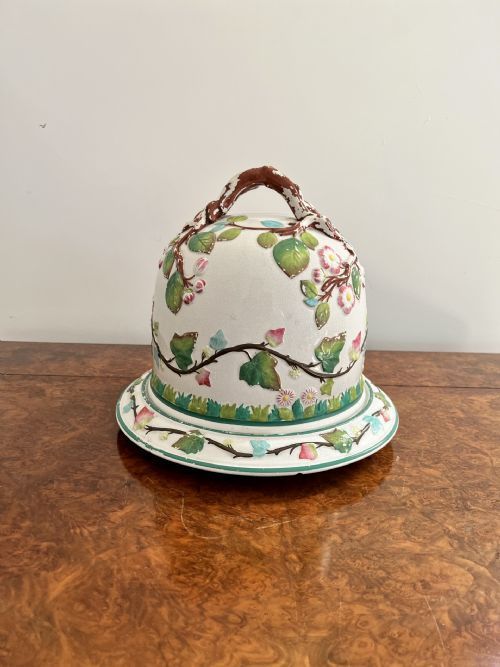
- Majolica
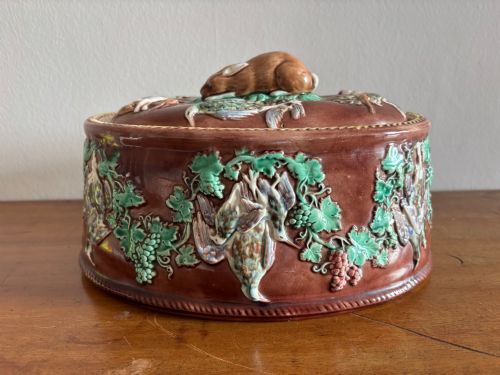
- A type of earthenware characterised by brightly coloured lead glazes applied over moulded or sculptural forms, highly popular during the nineteenth century for serving dishes and cheese domes.
- Ironstone
- A dense, durable ceramic body patented in the nineteenth century that combined earthenware properties with the strength of stoneware, frequently utilised for heavy-duty dinnerware and tureens.
- Transfer print
- A decorative technique where an engraved copper plate transfers a design onto tissue paper, which is then stamped onto the ceramic body before glazing and firing.
- Jasperware
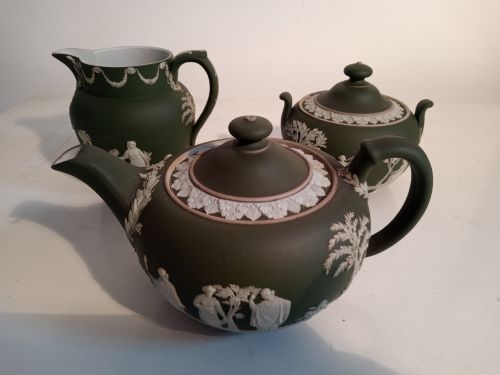
- A fine-grained, unglazed stoneware developed by Wedgwood, typically featuring white relief ornaments set against a coloured matte background such as olive green or blue.
- Comport
- A raised dish or bowl placed centrally on the dining table during the nineteenth century to hold fruit, desserts, or sweetmeats as part of a formal service.
Victorian Ceramic Tableware: Frequently Asked Questions
What is a spoon warmer?
A spoon warmer is a specialised nineteenth-century ceramic vessel designed to hold hot water, keeping silver gravy or dessert spoons warm during formal dinner service.
These pieces often take imaginative sculptural forms, such as shells or marine animals, reflecting the Victorian desire for novelty and refinement at the dining table.
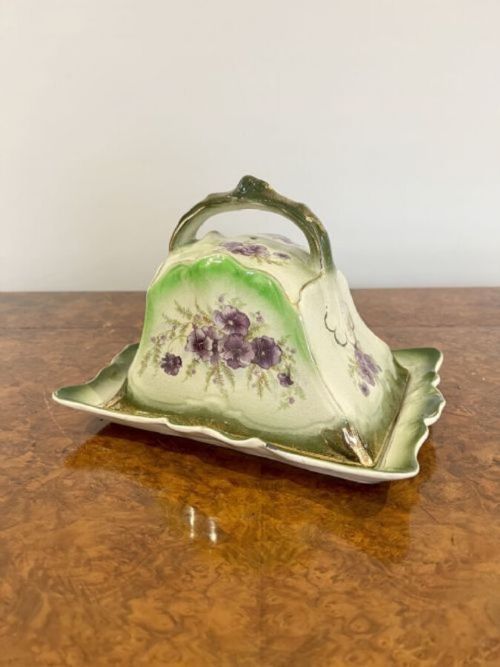
How do I use an antique cheese dish?
An antique cheese dish, complete with a fitted cover and base plate, was traditionally utilised to store and present hard cheeses on the dining table while keeping them moist.
Today, these domed pieces function well for serving cheeses during dinner parties or display attractively on a kitchen dresser when not in active use.
How do I date Victorian ceramic tableware?
Dating these pieces relies upon examining manufacturer backstamps, impressed registry marks, pattern numbers, and stylistic markers such as Rococo Revival or Art Nouveau motifs.
Many nineteenth-century factories incorporated specific date ciphers or registry diamonds into the ceramic body, allowing collectors to pinpoint the exact year of production.
Are these services suitable for daily use?
While nineteenth-century ironstone and stoneware possess considerable durability, older enamels, hand-painted details, and gold leaf can suffer from modern dishwashing machines and microwave heating.
Careful hand washing preserves the delicate glazes and surface decoration, ensuring these historic pieces remain intact for special dining occasions.