



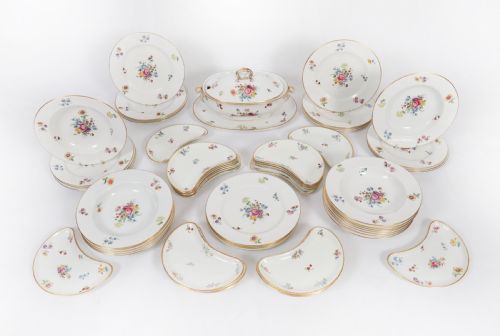
Victorian Hand Painted Plate
A victorian hand painted plate brings detailed brushwork and vibrant pigments to fine ceramics, offering a decorative centrepiece for display or formal dining.
Victorian Hand Painted Plate
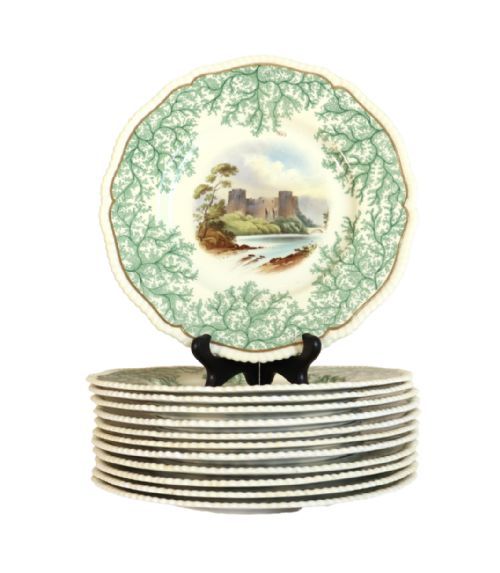
When you search for a victorian hand painted plate, you encounter porcelain and earthenware forms designed principally for cabinet display rather than everyday use. The selection spans standard cabinet plates, large decorative chargers, and specialised dessert dishes.
Most pieces date from the mid-to-late nineteenth century, originating from major English potteries like Minton, Coalport, and Royal Worcester, alongside continental porcelain houses. Forms range from simple round dishes to pierced reticulated borders and scalloped edges.
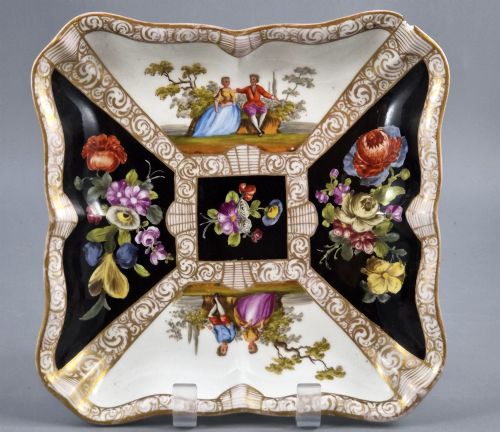
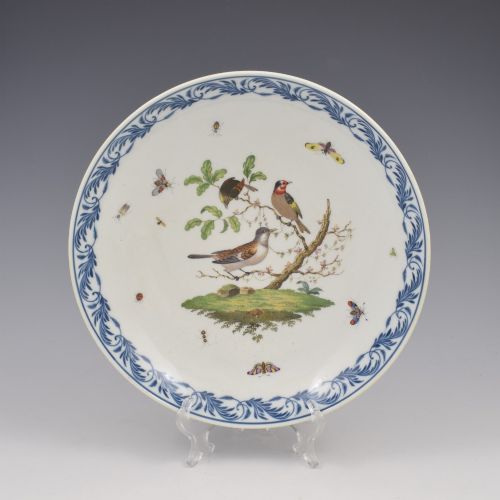
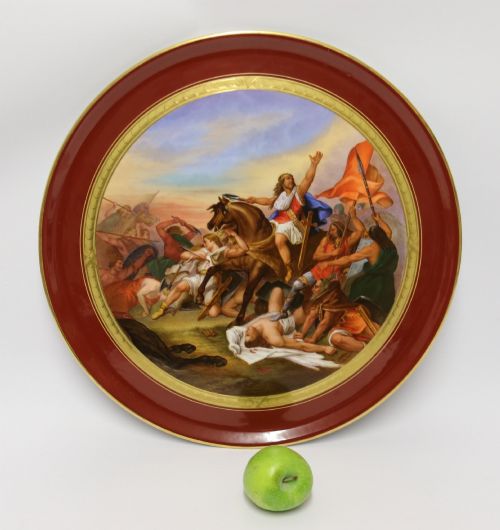
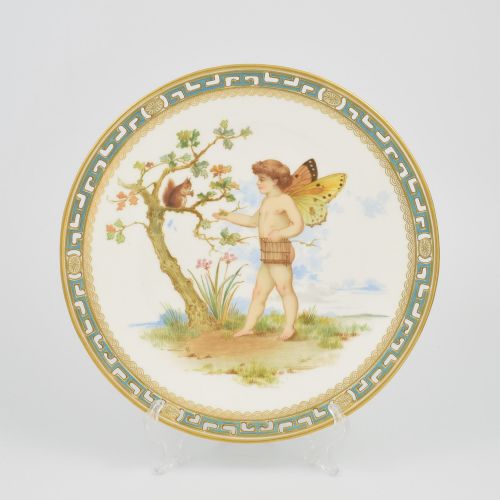
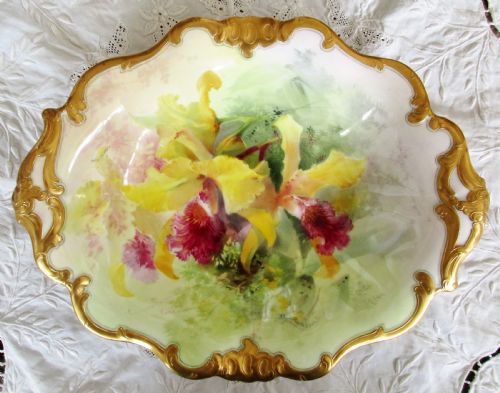
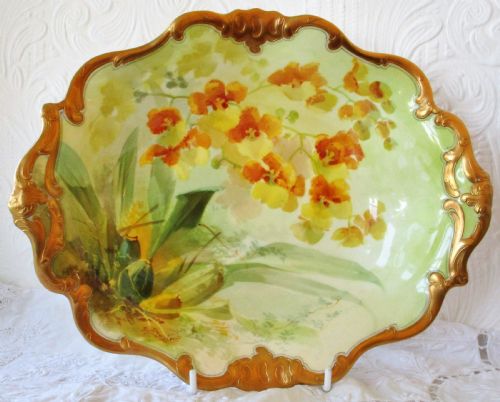
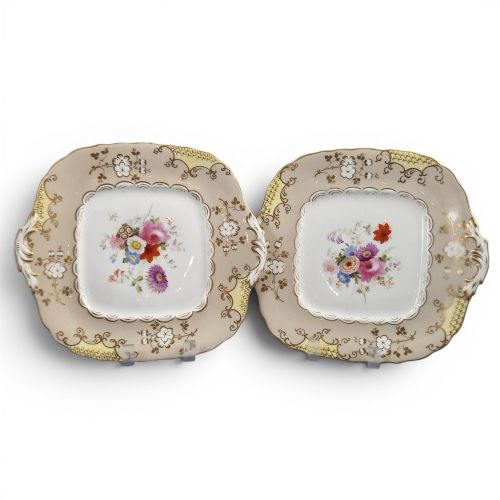
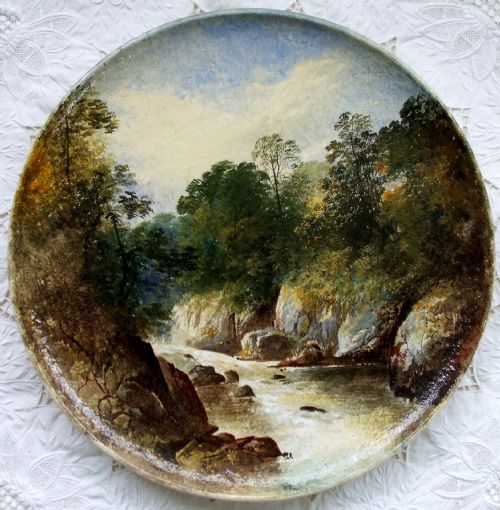
Makers frequently decorated these surfaces with topographical views, botanical studies, portraits, or avian scenes. Collectors often find matching sets or individual cabinet plaques bearing specific artist signatures and registry numbers.
Materials and Techniques
Potters shaped fine bone china, porcelain, and earthenware bodies before applying white or tinted glazes. Kiln firing fixed the ceramic body prior to enamel application.
Artists painted pictorial scenes directly onto the glazed surface using mineral-based ceramic colours. Subsequent low-temperature firings melted the enamel pigments into the glaze, securing the imagery.
Craftsmen heightened designs by applying gold leaf and gilt detailing along the rims and borders. Raised enamel paste, known as jewelling, added tactile relief to floral and geometric motifs.
Listings feature 19th Century, Victorian, and Edwardian periods, utilising porcelain, earthenware, and bone china across diverse international styles.
Judging Quality
The standard of a victorian hand painted plate depends significantly on the skill of the brushwork and the complexity of the composition. Master painters working for prominent factories achieved remarkable anatomical and botanical precision that elevates standard production items.
The integration of gilding and the quality of the ceramic body also dictate the tier of the piece. Fine porcelain with crisp relief moulding and intact, heavy gold leaf sits well above heavily crazed earthenware decorated with mass-produced transfer prints touched up by hand.
Spode·Meissen·Royal Bonn·Minton·Royal Doulton·Coalport·Copeland·Aynsley·John Ridgway·Royal Vienna·Royal Worcester·Kornilov Brothers
The Victorian Hand Painted Plate Glossary
- Cabinet Plate
- A decorative ceramic dish intended for display in a glass-fronted cabinet rather than functional table use. These typically feature intricate hand-painted scenery or portraits.
- Charger
- A large decorative plate or dish, often measuring well over twelve inches across. Potters used these as centrepieces or wall plaques.
- Gilt
- A thin layer of gold applied to the ceramic surface to highlight rims and borders. Artisans burnished the dried gold to achieve a bright metallic finish.
- Reticulated
- Having an openwork or pierced lattice border pattern cut into the ceramic body before firing. This technique required considerable skill to prevent warping in the kiln.
- Enamel
- Opaque vitreous pigments fused to the glazed ceramic surface by heat. These provided the vivid colour palette characteristic of nineteenth-century pictorial plates.
Victorian Hand Painted Plate: Frequently Asked Questions
How were victorian hand painted plates used?
Wealthy households displayed these decorative pieces in cabinets, on walls, or used them during formal dessert courses. They served primarily as visual spectacles to showcase the host's refined taste.
Many examples remained strictly ornamental, featuring pierced rims for hanging or stands for tabletop display. When used for dining, they formed part of larger dessert services rather than daily dinnerware.
How do I identify the maker?
Turn the piece over to examine the base for impressed stamps, printed factory marks, and hand-written pattern numbers. Major potteries stamped their initials or crests directly into the ceramic body.
Artists frequently signed their miniatures near the edge of the painted scene. Registration diamonds or numbers can help narrow down the exact decade of production.
Are these plates safe for food?
Historic ceramic glazes and enamel pigments from the nineteenth century often contain lead and other heavy metals. Using them for serving food is generally discouraged.
Modern washing methods and detergents can also damage fragile enamel work and wear away aged gold leaf. Warm water and a soft cloth are best for cleaning.
What is the aesthetic movement style?
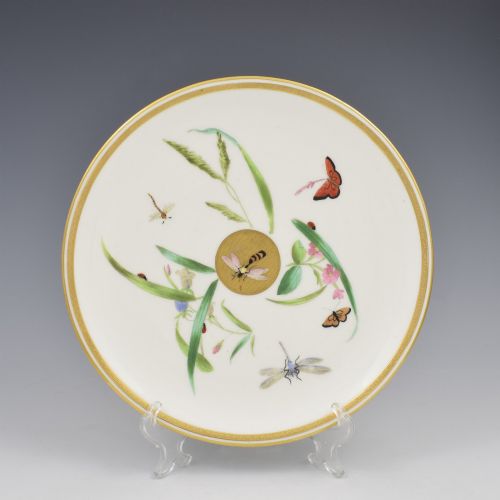
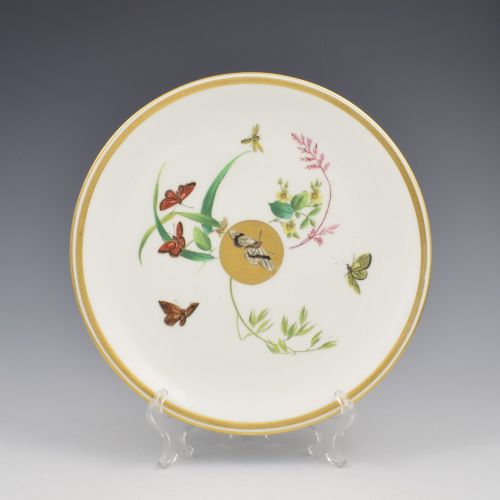
The aesthetic movement rejected rigid Victorian conventions in favour of asymmetry and inspiration from Japanese art. Plates from this style feature subjects like birds, insects, and sun motifs.
Common colour palettes include muted earth tones contrasted with heavy gilding. Designers such as W.S. Coleman championed this artistic shift in English ceramics.