
Gilded Bone China
Gilded bone china brings together refined ceramic bodies and rich metal leaf accents, offering enduring elegance for table settings and displays.
Gilded Bone China
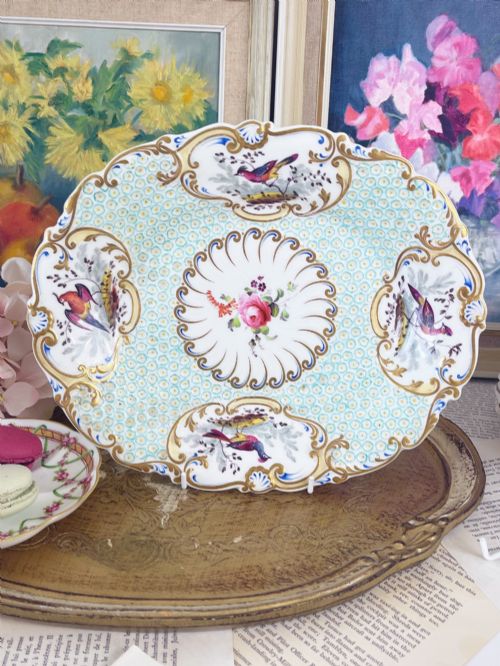
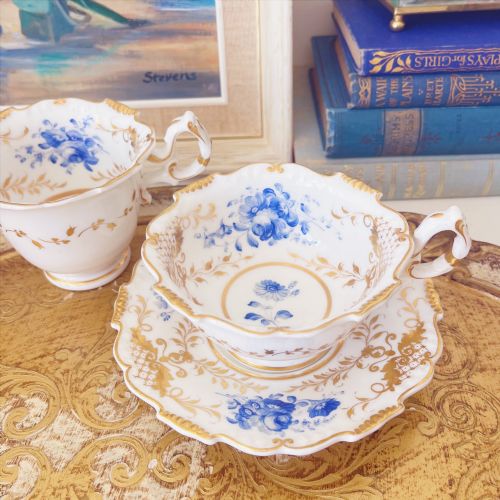
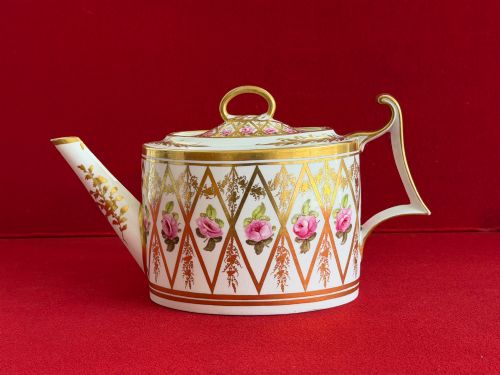
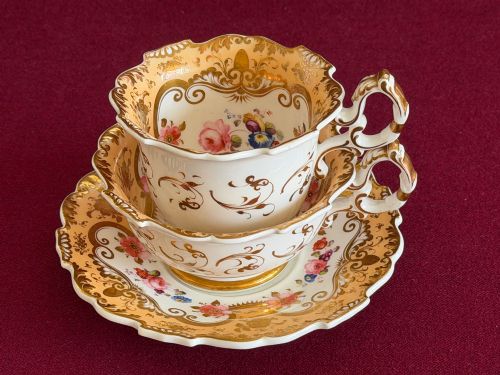
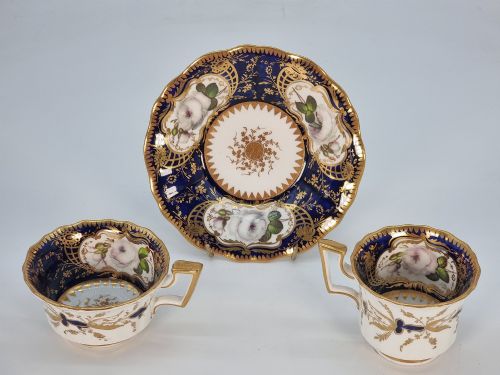
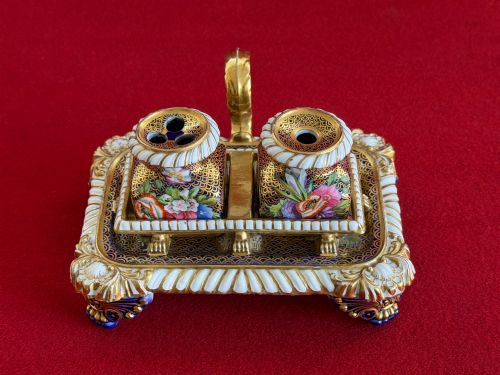
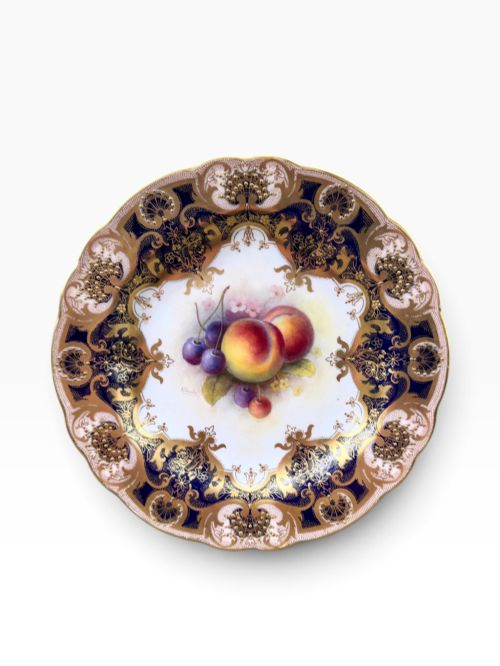
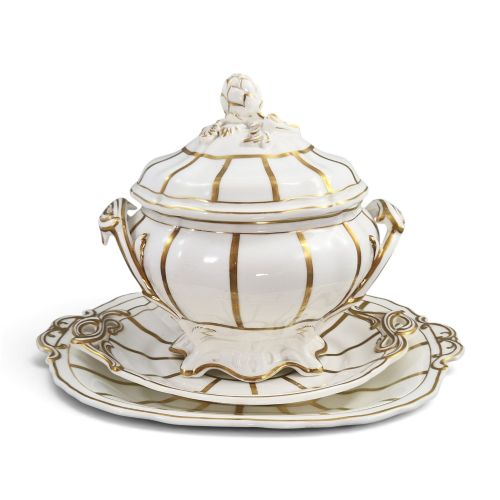
When you search for gilded bone china, you encounter items designed for formal service and display, including cabinet plates, teacups and saucers, teapots, vases, and dinner services. These pieces originate from various historical periods such as the Georgian, Regency, Victorian, and Edwardian eras.
The selections available here emphasise traditional English production, with historical items spanning the nineteenth and early twentieth centuries. Forms range from utilitarian tea services to purely decorative cabinet plates and twin-handled vases.
Methods of manufacture
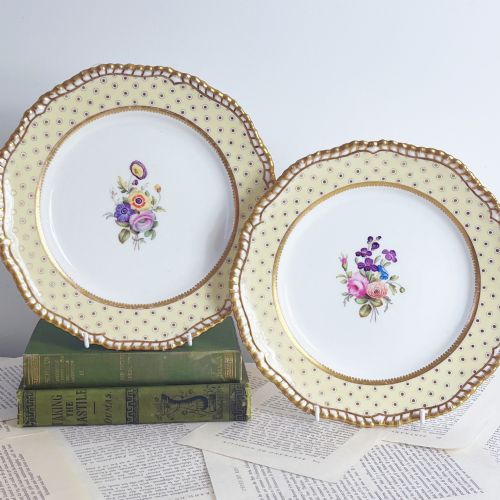
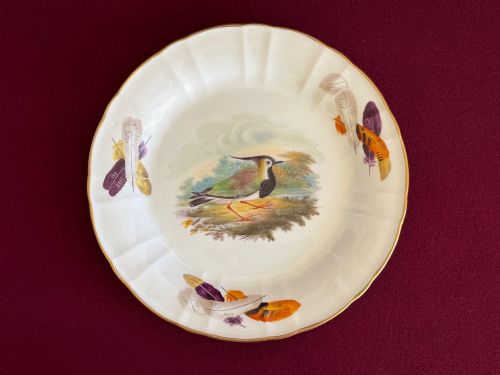
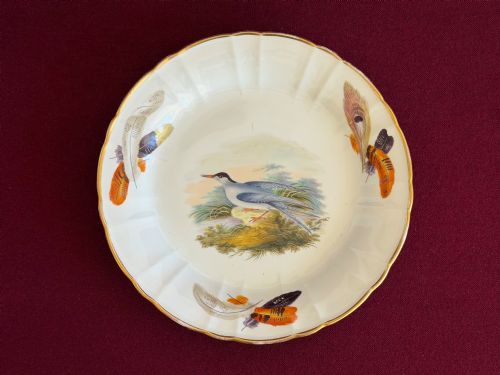
Potters combined fine bone china or porcelain bodies with enamel painting and hand-applied gold leaf or gilding. Artisans often utilised handpainted motifs featuring birds, landscapes, and botanical studies before applying metal accents.
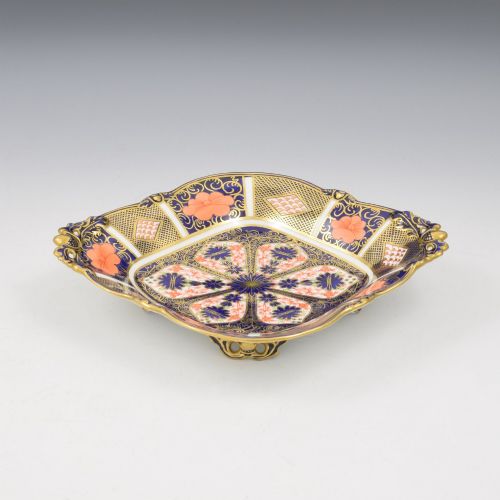
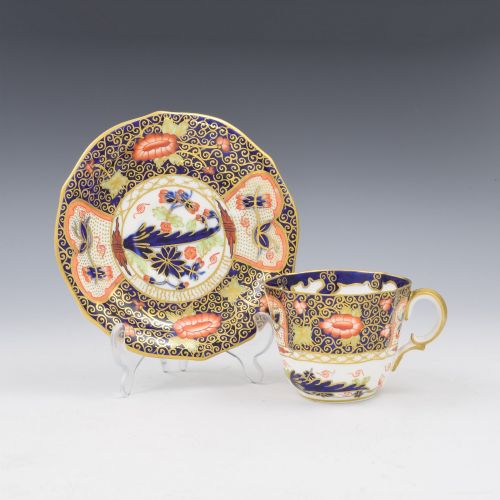
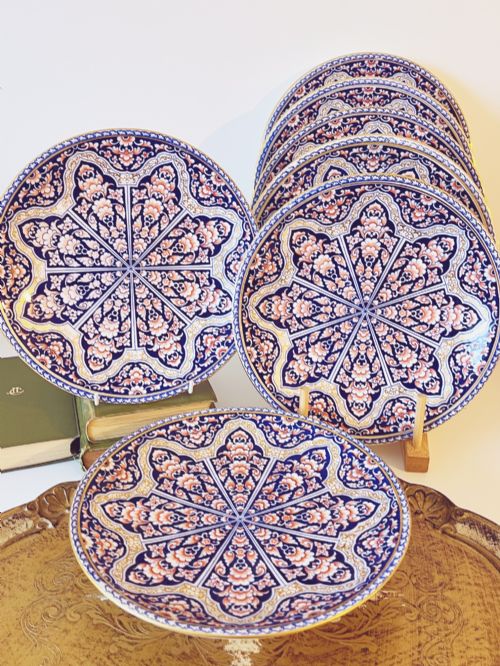
Kiln firing set both the underglaze details and the surface gilding, creating durable metallic finishes alongside intricate polychrome patterns such as Imari styles.
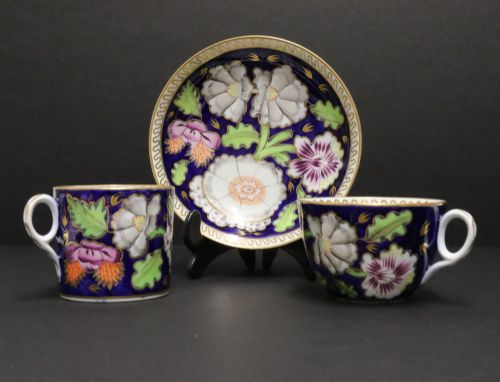
Some nineteenth-century teacups lack handles entirely, arriving as coffee cans designed for upright firing.
Distinctions in quality
Quality depends upon the precision of the handpainted details and the weight of the gold leaf utilised on the ceramic body. Pieces featuring named artists and specialised commissions display higher artistic ambition than standard factory patterns.
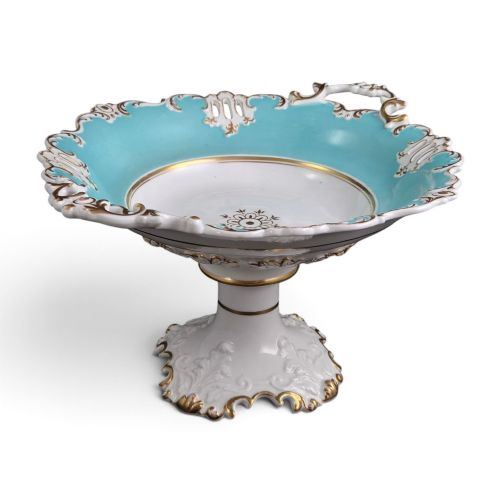
The crispness of the moulding on forms like rococo teapots or tazzas also separates standard production items from finer studio output.
Royal Crown Derby·Spode·Coalport·H & R Daniel·Wedgwood·Royal Worcester·Davenport·Royal Doulton·Minton·Cauldon Ltd
The Gilded Bone China Glossary
- Bone china
- A type of porcelain incorporating animal bone ash, resulting in a strong, milk-white ceramic body. This material allows for thinner walls than traditional hard-paste porcelain while maintaining durability.
- Gilding
- The application of gold leaf or gold paint to the surface of ceramics. It serves to highlight rims, handles, and painted scenes.
- Imari
- A decorative style inspired by Japanese export wares, featuring rich cobalt blue and iron red enhanced with gold. English factories adopted this palette extensively during the nineteenth century.
- Cabinet plate
- A decorative ceramic plate intended for display in a cabinet rather than for dining use. These items frequently showcase elaborate handpainted scenes.
- Sucrier
- A small covered sugar bowl designed for tea service sets. It matches the accompanying teapot and cups in pattern and gilding.
Gilded Bone China: Frequently Asked Questions
How do I date gilded bone china?
Dating relies on factory backstamps, pattern numbers, and stylistic markers such as Regency shapes or Edwardian colorways.
Comparing the ceramic body and painting technique to documented examples from specific historical periods provides a reliable timeline.
Can I use these pieces for dining?
Many items, such as tea services and plates, were made for functional use during the Georgian and Victorian periods.
Hand-applied gold leaf and delicate enamel work require careful hand washing to preserve the surface over time.
What is the difference between porcelain and bone china?
Bone china includes bone ash in the clay mixture, giving it a characteristic translucency and strength.
Traditional porcelain relies on different mineral compositions, though both accept surface gilding effectively.
How should I display cabinet plates?
Cabinet plates are best housed in wall-mounted or freestanding glass display cabinets to protect the painted surfaces.
Proper plate hangers distribute weight evenly without putting stress on the gilded rims.