


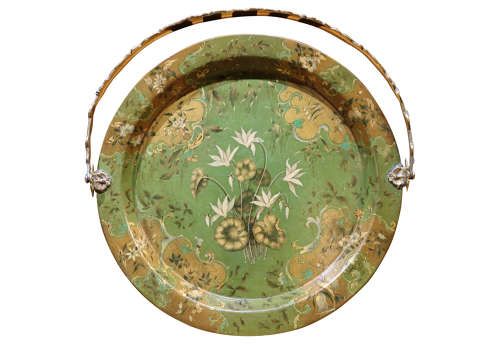
Green Floral Dish
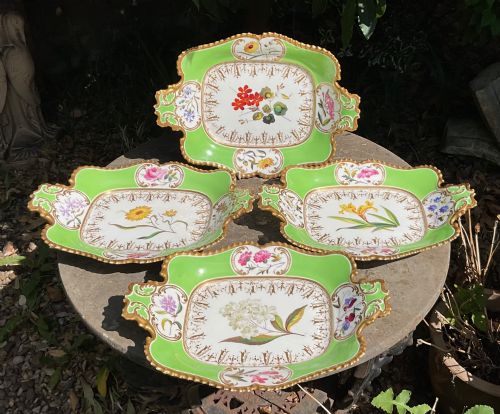
A green floral dish brings together botanical painting and verdant glazes, offering a decorative centrepiece or cabinet display for the table.
Green Floral Dish
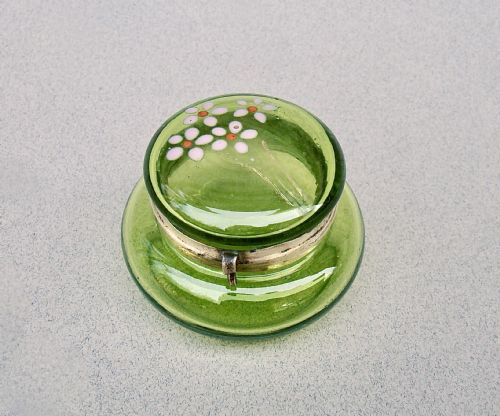
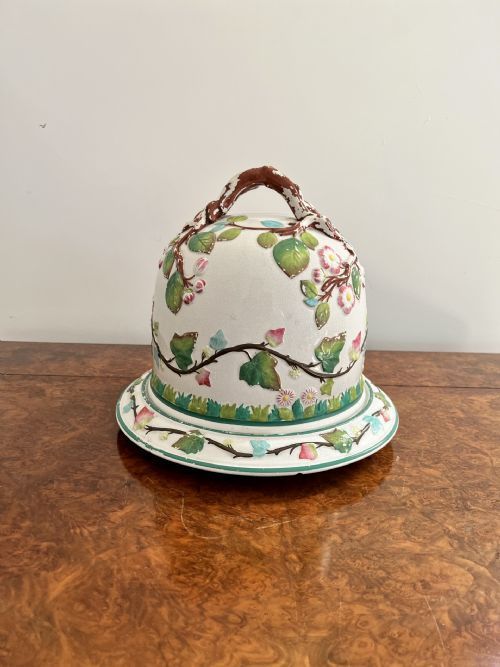
When you search for a green floral dish, you encounter a variety of porcelain, earthenware, enamel, and papier-mâché vessels intended for display or service. These items range from Georgian and Regency cabinet plates to Victorian Majolica cheese dishes and Chinese Export wares.
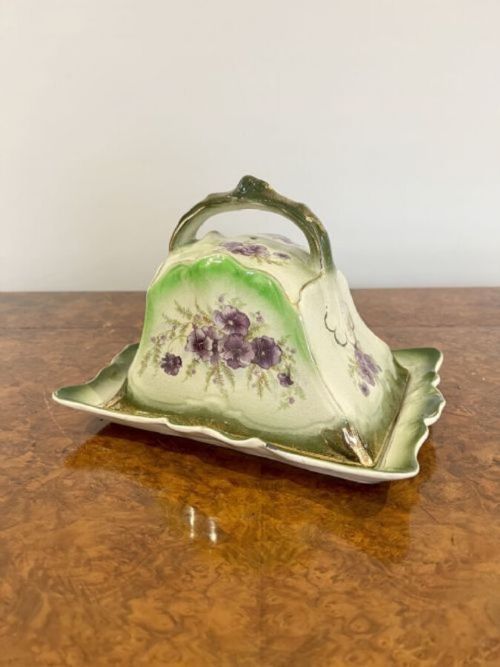
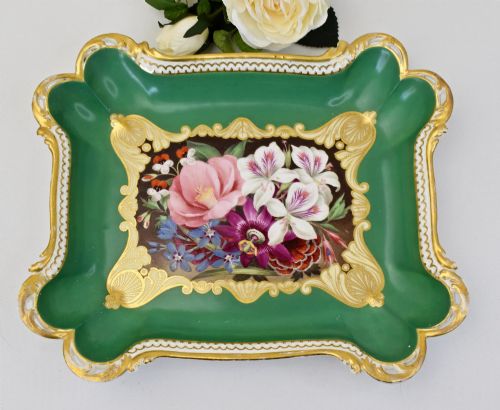
The pieces appearing on this page span several centuries, including Regency dessert services, Edwardian cheese covers, and earlier Longquan celadon bowls with moulded floral scroll work. Forms include cabinet dishes, decorative trays, bowls, and plates adorned with botanical motifs.
Originating from English potteries such as Worcester, Derby, and Coalport, alongside continental and Asian workshops, these items reflect diverse stylistic movements from Rococo Revival and Art Nouveau to Chinese Export and Meiji period cloisonné.
How they were made
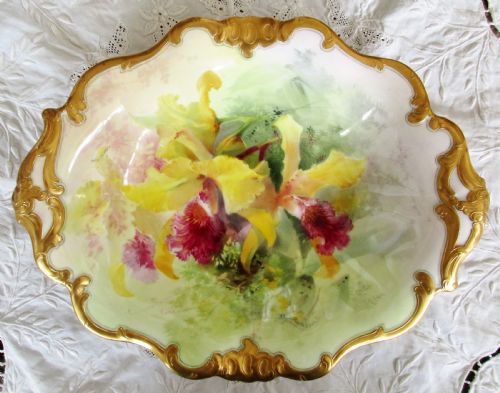
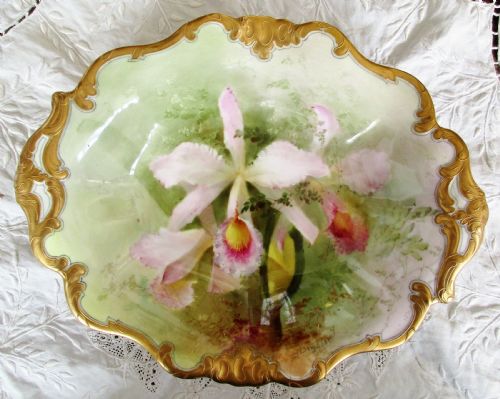
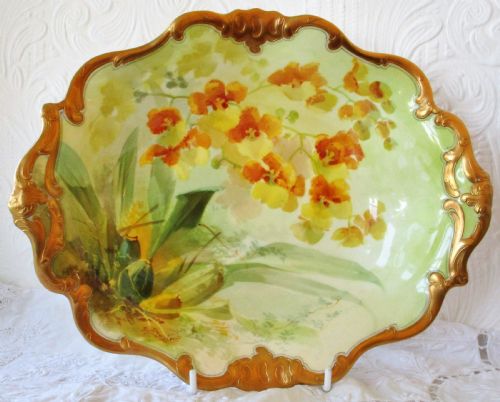
Makers utilised ceramic bodies including porcelain, ironstone, earthenware, and Delftware, shaping them into plates, trays, and lidded vessels before applying glazes and enamels. Surface decoration often combined hand-painted floral subjects, such as orchids, with gilded highlights and gold leaf.
Metal and composite wares rely on alternative techniques, seen in copper-based Japanese cloisonne enamel chargers decorated with wired patterns, and painted green papier-mâché trays from the Regency period. Glazing methods range from Majolica lead glazes to celadon and tin-based Delft glazes.
The documented periods span from pre-sixteenth-century celadon bowls to twentieth-century Royal Crown Derby plates.
What varies in quality
The standard of a green floral dish depends upon the precision of the hand-painting, particularly in botanical subjects where botanical accuracy and brushwork detail elevate the piece. Factory attribution, such as work associated with named artists or established porcelain houses, also influences distinction.
Material execution dictates longevity and refinement, separating standard utilitarian items from exhibition-grade cabinet pieces. The crispness of moulded relief, the stability of the enamel or glaze, and the preservation of gilt detailing complete the assessment of quality.
Chamberlains Worcester·Royal Doulton·Flight Barr And Barr·Coalport·Rockingham
The Green Floral Dish Glossary
- Cabinet dish
- A decorative plate or shallow vessel produced primarily for display rather than domestic service. These pieces typically feature elaborate hand-painted scenes and gilt borders.
- Celadon
- A type of transparent green ceramic glaze originating in China, characterised by iron pigments fired in a reduction kiln. It often covers carved or moulded floral designs.
- Cloisonne
- An enamelling technique where metal wire is soldered to a metal base to create compartments, which are then filled with coloured enamel paste and fired.
- Ironstone china
- A patented type of heavy earthenware developed in the nineteenth century to imitate porcelain. It provides a durable body suitable for printed and painted decoration.
- Majolica
- A heavy earthenware pottery covered with an opaque lead glaze containing tin oxide, noted for vibrant colours and moulded relief decoration.
Green Floral Dish: Frequently Asked Questions
How do I date a ceramic green floral dish?
Dating relies upon factory marks stamped, painted, or impressed on the underside, alongside stylistic indicators like paste composition and glaze characteristics.
Comparison with documented periods such as the Regency or Edwardian eras helps narrow the year of manufacture.
Were these dishes meant for food use?
Many items, including dessert services and cabinet dishes, were designed for dining or dessert courses in wealthy households.
Others, particularly cabinet pieces and cloisonne chargers, served strictly decorative functions in drawing rooms.
What is the difference between porcelain and ironstone?
Porcelain is a fine, vitrified ceramic material that is often translucent when held to the light, typical of finer cabinet plates.
Ironstone is a dense, opaque earthenware developed for durability in domestic service while maintaining a similar appearance.
How should I clean an antique enamelled dish?
Dusting with a soft, dry cloth is usually sufficient for pieces with delicate enamel or gold leaf decoration.
Water and chemical cleaners should be avoided to prevent damage to fragile painted surfaces and historic glazes.