


Royal Crown Derby Plate
These royal crown derby plate pieces combine bone china and porcelain with rich gilding, offering both traditional display and functional dining.
Royal Crown Derby Plate
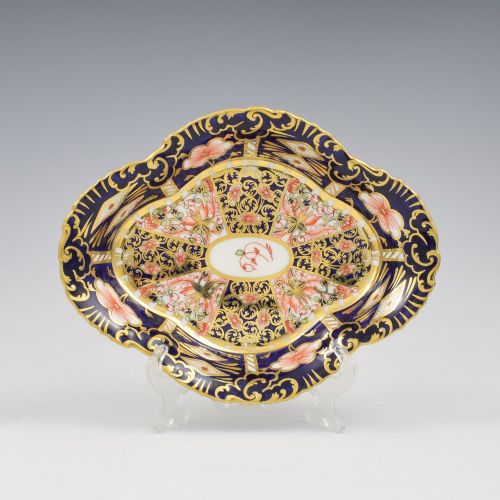
A royal crown derby plate brings together traditional English ceramic manufacture and intricate pattern work across various forms. When you search for this phrase, you encounter cabinet plates, dessert services, and sandwich plates spanning the Victorian, Edwardian, and mid-twentieth-century periods. These items range from simple side plates to elaborate display pieces painted by named artists.
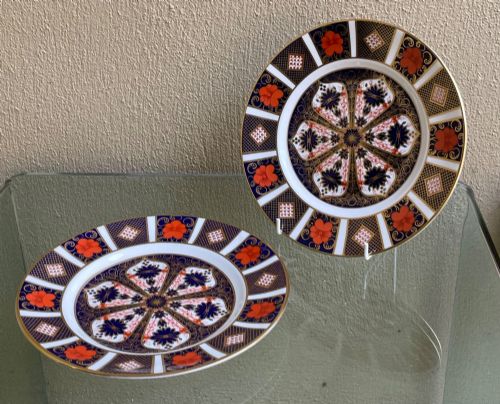
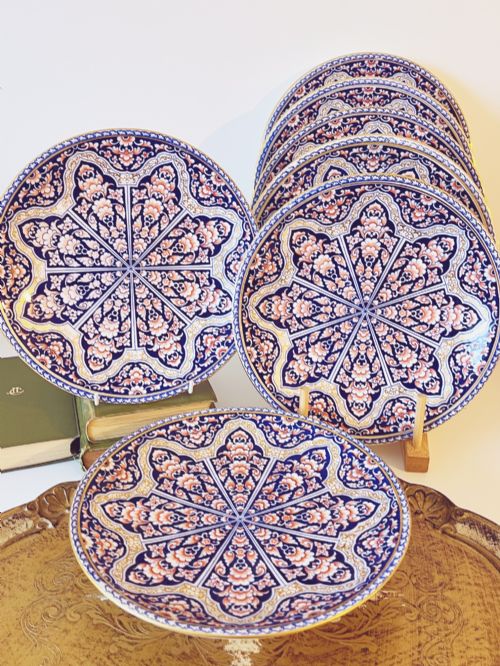
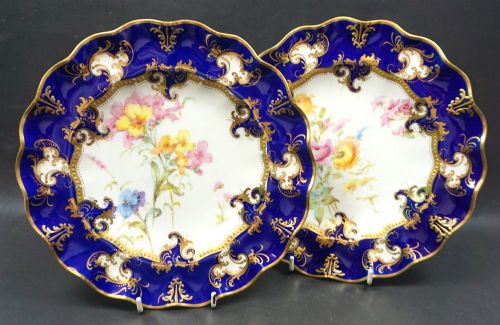
The pieces on this page lean heavily towards the Imari style, alongside floral hand-painted display items and complete dessert services. You find items made for specific retailers such as John Ford of Edinburgh, as well as numbered patterns like pattern 8806, 2451, and the Kings pattern. Such variety shows the wide scope of production from utilitarian tablewares to high-end cabinet displays.
Judging quality in these ceramics
Quality varies according to the complexity of the hand-painted brushwork and the richness of the gilding applied to the porcelain. Pieces bearing signatures from notable artists such as Desire Leroy represent a higher tier of craftsmanship than standard factory output. The precision of the Imari pattern application and the crispness of the gold leaf details also separate ordinary service wares from exhibition-grade cabinet pieces.
The provenance and specific commission history influence the standing of an individual piece, such as items made for retailers like John Ford. Complete dessert services and paired items show greater uniformity in production standards than scattered single plates. The depth of the enamel colours and the preservation of the gold gilding dictate the overall visual strength of the object.
Fish plates make an unexpected appearance, proving that nineteenth-century dining demanded a very specific ceramic for every single course.
John Ford·F Garnett·Desire Leroy
The Royal Crown Derby Plate Glossary
- Imari style
- A decorative scheme employing deep cobalt blue, iron red, and rich gilding inspired by Japanese export porcelains. This aesthetic defines many of the most recognizable patterns produced by the factory.
- Cabinet plate
- A decorative ceramic plate intended for display in a cabinet or on a wall rather than for everyday dining. These pieces often feature superior hand-painted scenes or intricate gilding.
- Comport
- A raised dish or bowl used traditionally for serving fruit or sweets as part of a dessert service. They sit on a pedestal base and frequently accompany matching plates.
- Bone china
- A type of soft-paste porcelain containing bone ash, known for its high strength, chip resistance, and translucent quality. It serves as the primary ceramic body for these wares.
- Gilding
- The application of gold leaf or gold powder to the surface of the ceramic to create metallic highlights and borders. This technique enhances the decorative richness of the finished piece.
Royal Crown Derby Plate: Frequently Asked Questions
How do I date a piece?
Dating relies on factory date marks, style periods such as Victorian or Edwardian, and specific pattern numbers recorded in the listings. Examining the style of the hand-painted decoration also helps place the item within its era of manufacture.
Comparing pattern numbers like 2451 or 8806 provides further context regarding the production timeline of the service.
Can I use these plates for dining?
While many items were originally part of functional dessert services or dining plates, older porcelain and delicate gilding benefit from careful handling. Using them for display or occasional special dining helps preserve the hand-painted enamel and gold leaf.
Cabinet plates are specifically intended for visual appreciation rather than daily use at the table.
Who was Desire Leroy?
Desire Leroy was a notable artist whose signature appears on fine cabinet plates, known for skilled floral and decorative hand-painting. Pieces bearing this signature represent a high standard of artistic output.
Signed works by Leroy and other decorators like F Garnett add significant interest for collectors focusing on painted ceramics.