


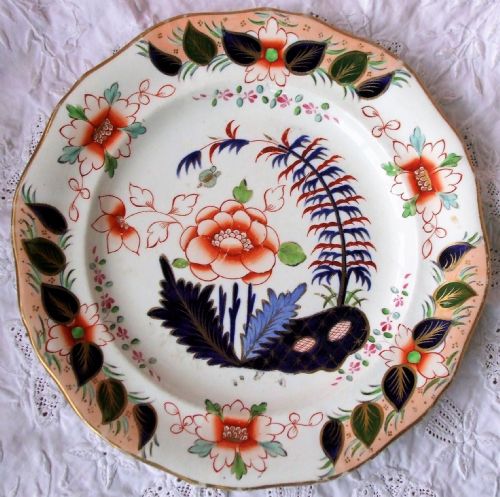
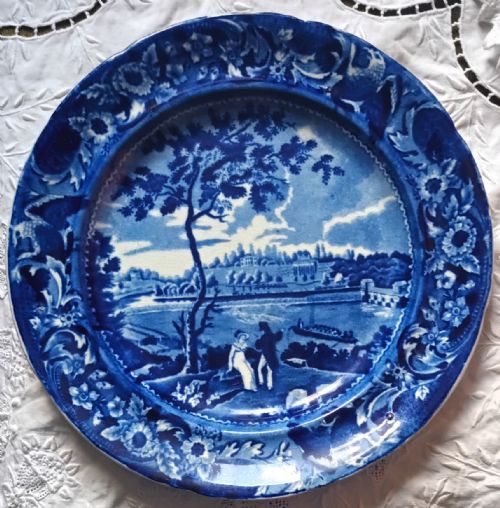

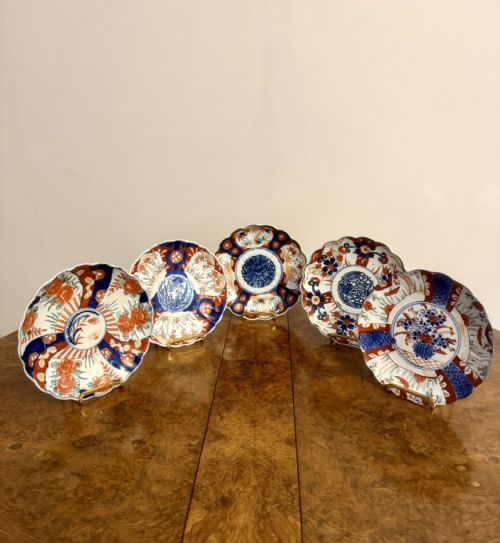


Nineteenth Century Ceramic Plate
Nineteenth century ceramic plate examples encompass transfer-printed earthenwares, hand-painted porcelains and heavy ironstones intended for display or dining.
Nineteenth Century Ceramic Plate
A nineteenth century ceramic plate covers a wide span of tablewares and decorative chargers produced during the Georgian, Regency, and Victorian periods. The selection on this page ranges from utilitarian blue and white transfer-printed earthenwares to finely painted cabinet porcelains intended purely for display.
Buyers will most frequently encounter English transfer-printed earthenwares alongside ironstone serving dishes and Japanese Imari porcelain chargers. These objects reflect both the domestic dining habits and the international trade tastes of the nineteenth century.
How they were made
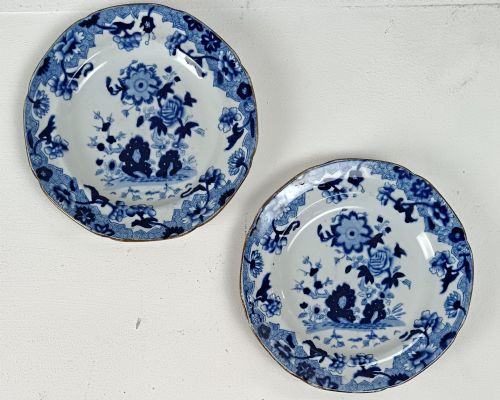
Potters shaped these vessels using earthenware, ironstone, and fine porcelain bodies, often finished with glossy glazes and hand-applied enamel decoration. Many domestic transfer-printed patterns relied on copperplate printing techniques to transfer intricate blue and white topographical or classical scenes onto the ceramic surface before firing.
Higher-tier decorative pieces incorporated complex gilding with gold leaf, alongside detailed hand-painted portraits and armorial crests executed by named artists. Workshops utilised specialised kilns to fuse these enamel colours and metallic accents securely into the underlying glaze.
Listings feature periods spanning the Georgian, Regency, Victorian, and Meiji eras, utilising materials such as creamware, ironstone, and gold leaf.
What varies in quality
Quality in a nineteenth century ceramic plate is dictated by the crispness of the transfer print, the delicacy of the porcelain paste, and the precision of the hand-painted enamel work. Early nineteenth-century bodies show superior refinement in throwing and moulding compared to later mass-produced wares.
Spode·Wedgwood·Masons Ironstone·Barr Flight And Barr·John Davenport
The Nineteenth Century Ceramic Plate Glossary
- Ironstone
- A heavy, durable type of earthenware patented in the nineteenth century to imitate Chinese porcelain while offering greater strength for daily dining.
- Transfer printing
- A mechanical method of applying complex decorative patterns to ceramics by pressing paper from an engraved copperplate onto the bisqued body.
- Imari
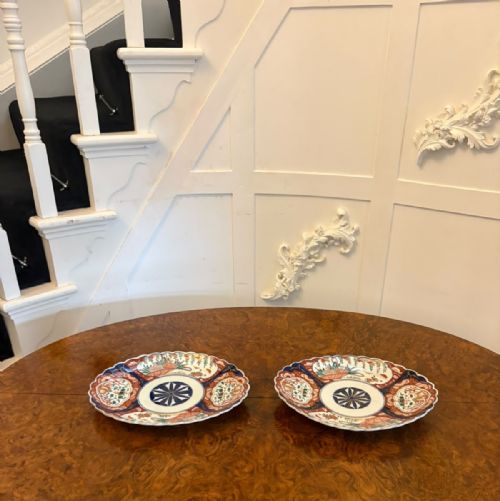
- A Japanese export style characterised by deep underglaze blue, iron red, and gilt highlights, widely copied by European potteries during the Victorian era.
- Creamware
- A refined, pale-yellow earthenware developed in the eighteenth century and continued into the nineteenth century for service dishes and dinnerware.
- Maiolica
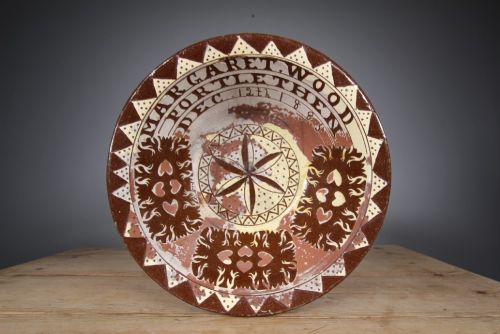
- Tin-glazed earthenware decorated with opaque colours, seen on large Italian chargers depicting classical or historical scenes.
Nineteenth Century Ceramic Plate: Frequently Asked Questions
How do I date a nineteenth century ceramic plate?
Dating relies on identifying backstamps, factory marks, stylistic influences such as Regency Chinoiserie or Victorian Renaissance Revival, and the specific ceramic body used.
Changes in glaze formulation and registration numbers stamped into ironstone or earthenware provide narrower production windows for many English and European pieces.
Can I use these plates for dining?
While robust ironstone and sturdy transfer-printed earthenware were made for heavy use, antique porcelain and heavily gilt cabinet plates require careful handling.
Most collectors reserve these pieces for decorative display or gentle service to prevent scratching the glaze and wearing away delicate gold leaf.
What is the difference between earthenware and ironstone?
Earthenware is a porous ceramic body fired at lower temperatures, whereas ironstone contains added slag and feldspar to create a much denser, heavier, and more durable material.
Ironstone plates resist chipping far better than standard earthenware, making them the preferred choice for nineteenth-century family dinners and large service platters.
Why are some plates called cabinet plates?
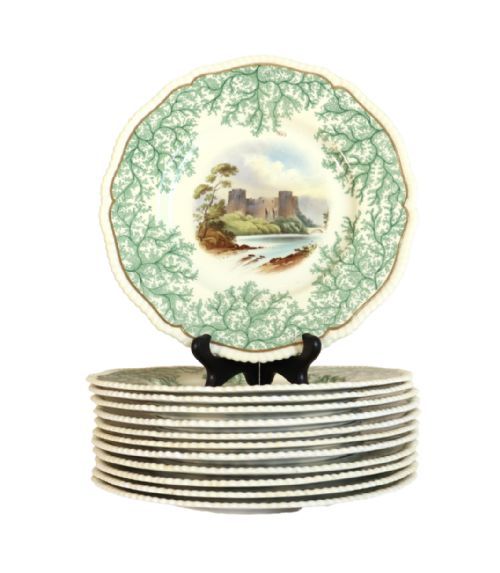
Cabinet plates were manufactured primarily for visual appreciation rather than utility, featuring elaborate hand-painted scenes, portraits, or armorial crests.
These pieces were displayed in cabinets or on walls, protecting their fine enamel work and extensive gilding from the wear and tear of the dining table.