




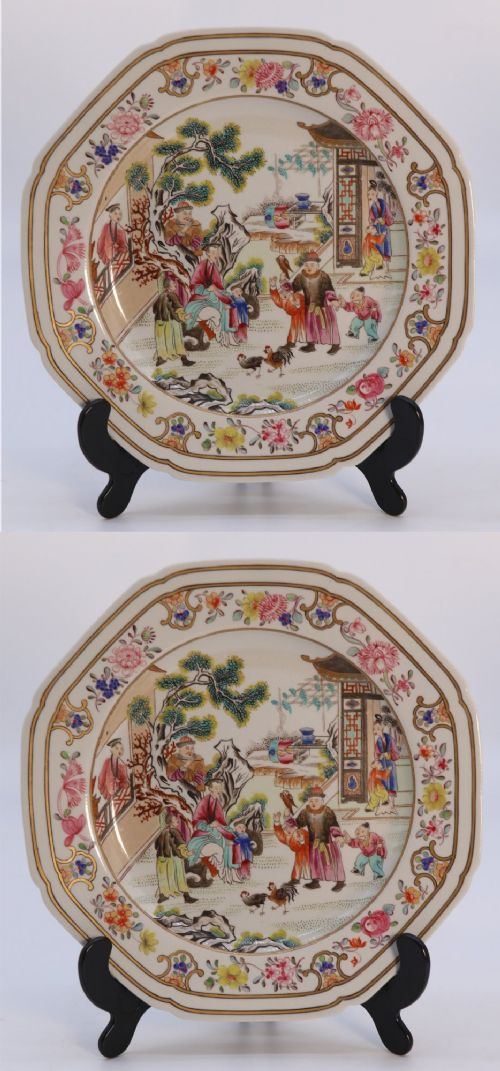
Polychrome Ceramic Plates
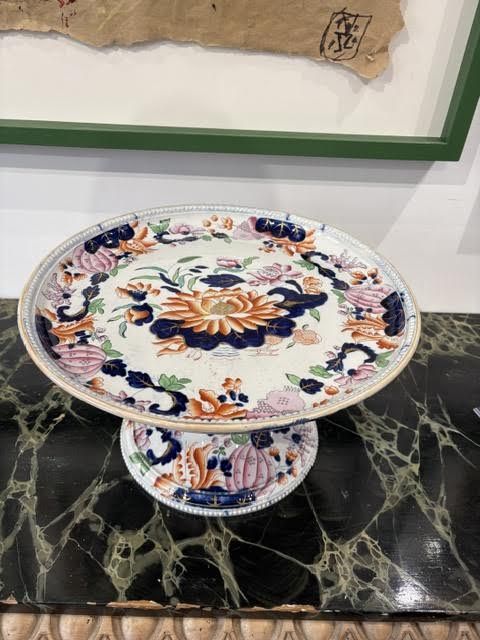
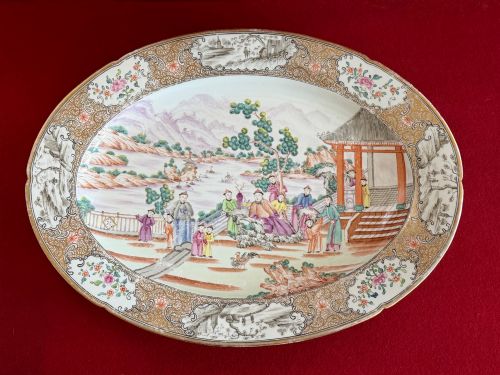
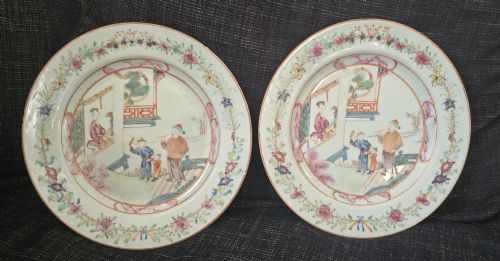
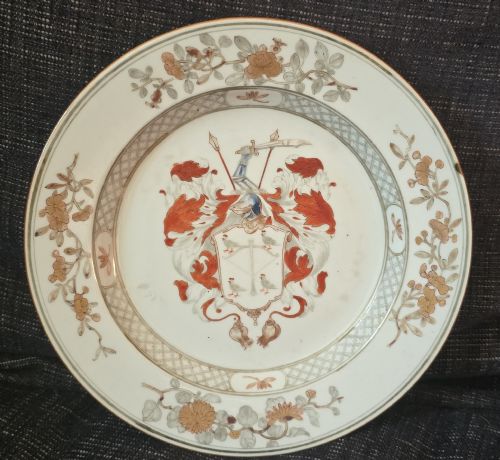
These polychrome ceramic plates bring together centuries of hand-painted colour across English, European and Asian traditions.
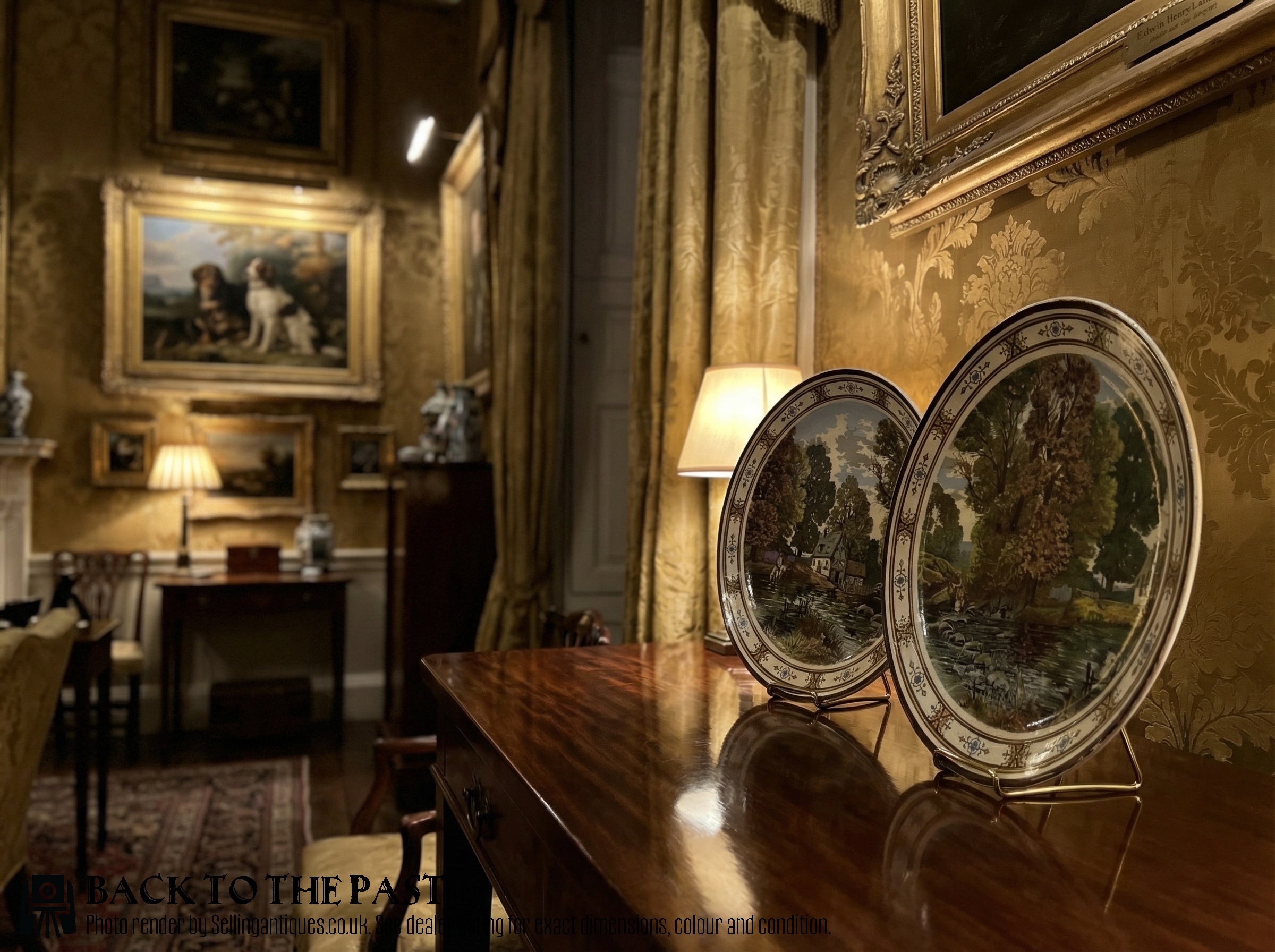
Polychrome Ceramic Plates
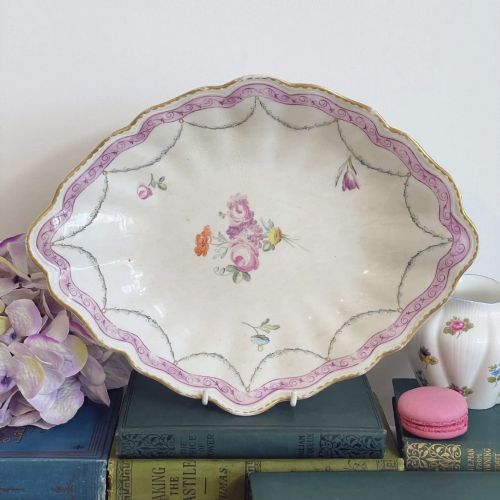
Polychrome ceramic plates encompass chargers, cabinet plates, serving dishes and platters spanning the 17th to the 20th centuries. Buyers examining this category encounter tin-glazed earthenware, porcelain and stoneware from diverse origins including English factories, Chinese export kilns, Japanese workshops and continental European centres.
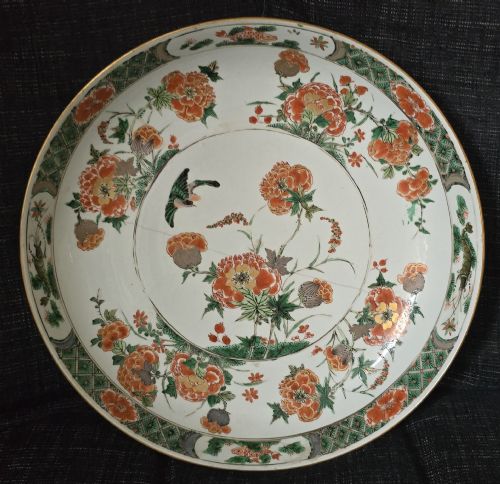
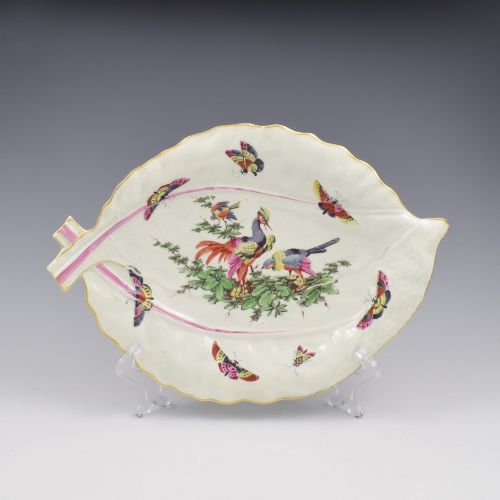
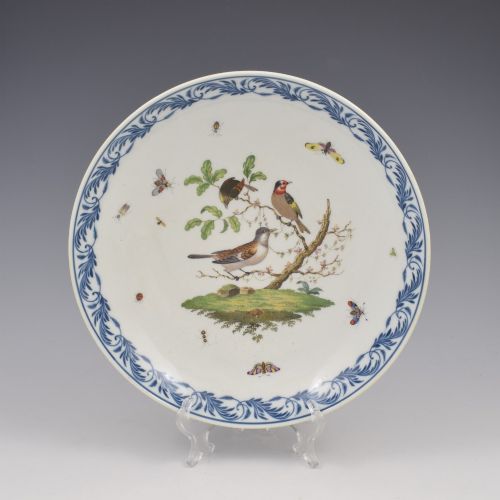
Form and function range from large display chargers intended for walls and sideboards to smaller dessert plates and serving dishes. These pieces showcase a vast array of motifs, from birds and floral sprays to complex armorial designs and Japanese landscapes.

How they were made
Potters shaped these vessels using earthenware bodies, tin glazes and hard-paste porcelain, applying mineral pigments by hand. Techniques involve painting directly onto unfired tin glaze or over fired porcelain glazes, often incorporating gold leaf and enamel highlights.
Kiln firing methods varied from traditional wood-fired Asian kilns to coal-fired European kilns, determining the vitrification of the paste and the brilliance of the colours. Artisans utilised hand-brushing, transfer-printing and moulded relief details like moriage to build texture and depth.
Polychrome Ceramic Plates Retail Price Guide 2026
Typical asking prices for polychrome ceramic plates among the pieces listed under this phrase on Sellingantiques today, from the lower quarter to the upper quarter. They describe what is for sale here now, not the wider market.
The listings span multiple centuries, capturing tin-glazed earthenware, hard-paste porcelain and stoneware across English, European and Asian origins.
What varies in quality
Quality rests in the precision of the hand-painting, the vibrancy of the enamel palette and the crispness of the porcelain or earthenware body. Superior examples display confident brushwork, well-defined pictorial compositions and minimal kiln distortion.
The presence of established factory marks, intricate gilding and sophisticated glaze chemistry elevate individual pieces. Maker attribution, artistic execution and the preservation of delicate overglaze colours distinguish ordinary table wares from high-status cabinet pieces.
Derby·Spode Stone China·Meissen·Minton·Hicks And Meigh·Desvres·Chamberlain S Worcester·Barr Flight And Barr·Flight Barr And Barr·Furstenberg
The Polychrome Ceramic Plates Glossary
- Charger
- A large decorative plate or dish, traditionally used for formal dining or displayed upright on sideboards. These wide vessels offer an expansive surface for complex painted scenes.
- Famille Rose
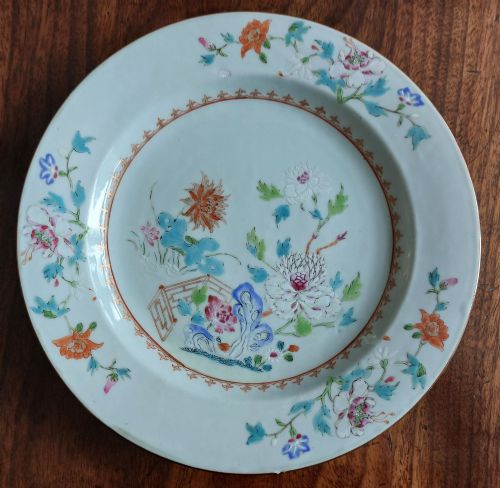
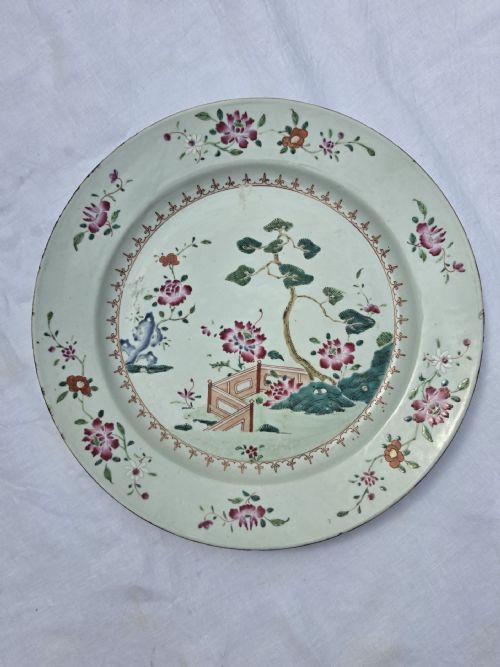
- A Chinese porcelain ceramic palette introduced in the 18th century, distinguished by opaque pink or rose enamel colours. The style allowed for subtle tonal gradations in floral and figural subjects.
- Imari
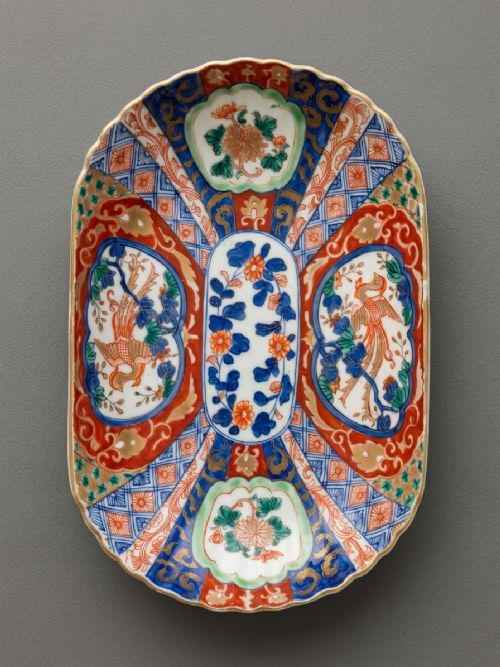
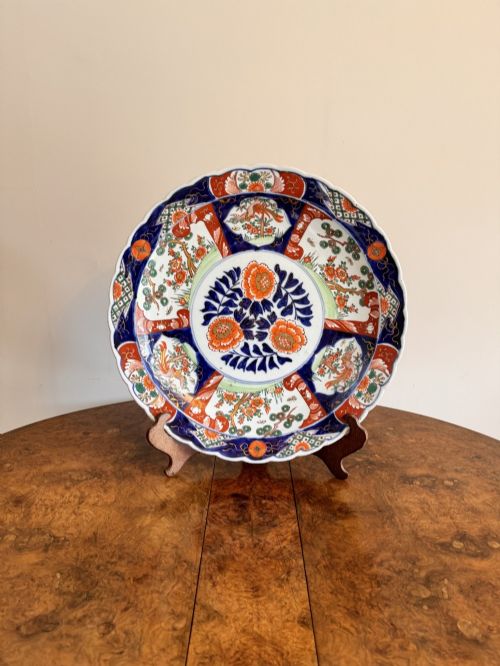
- A Japanese style of porcelain decoration featuring underglaze blue and overglaze iron red, complemented by gold leaf. Originating from Arita, these wares gained immense popularity in European export markets.
- Tin-Glazed Earthenware
- Pottery coated with a white tin-oxide glaze that provides an opaque background for painted decoration. This technique defines European Delftware and maiolica traditions.
- Cabinet Plate
- A decorative ceramic plate intended for display in a cabinet or on a wall rather than for functional dining use. These pieces often feature elaborate painting and gilt borders.
Polychrome Ceramic Plates: Frequently Asked Questions
What is a charger plate?
A charger plate is a large decorative dish measuring significantly wider than a standard dinner plate. Historically utilised for ceremonial service, these large vessels function primarily as display pieces.
Makers decorated them with elaborate hand-painted landscapes, floral arrangements or armorial crests to command attention on walls and sideboards.
What distinguishes Delftware from other pottery?
Delftware relies on a buff earthenware body coated in an opaque white tin glaze that accepts painted pigments directly. English, Dutch and Spanish potteries utilised this method during the 17th and 18th centuries.
The resulting surface displays soft edges where the cobalt blue and polychrome mineral colours sink slightly into the tin glaze during firing.
Where were Japanese Imari plates made?
Japanese Imari wares originated in the Hizen province around Arita during the Edo period and later eras like the Meiji period. Kilns produced these distinctive porcelains specifically for domestic use and international export.
The aesthetic relies on a striking combination of underglaze cobalt blue, iron red enamel and detailing in gold leaf.
How should I care for antique ceramic plates?
Antique ceramic plates require gentle handling and manual cleaning with mild, non-abrasive solutions to protect delicate overglaze enamels and gold leaf. Submerging fragile earthenware in water for extended periods risks damaging the porous body.
Displaying them securely on padded plate stands or hanging them with coated wire hangers prevents accidental structural impacts.