



Asian Ceramic Wall Plates
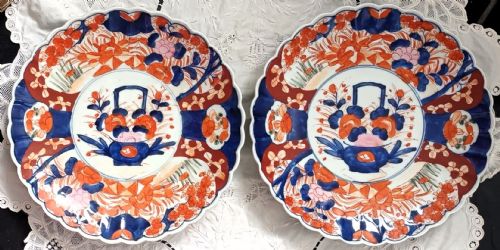
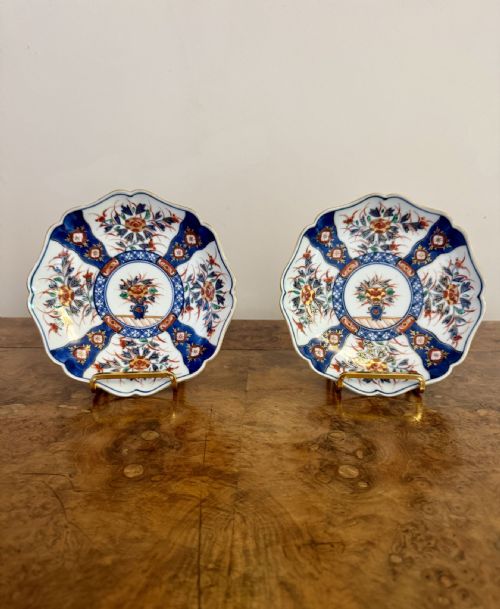
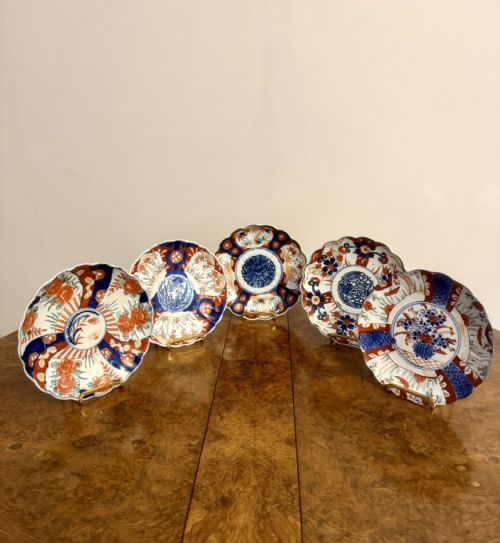
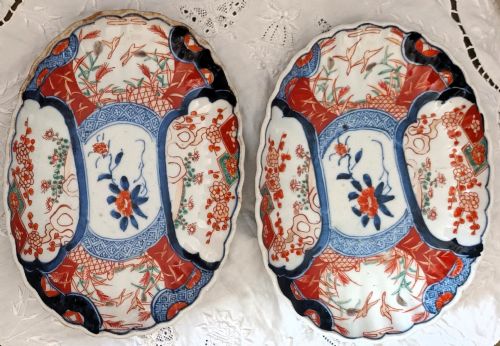
Asian ceramic wall plates bring together centuries of export trade, precise brushwork and vibrant colour palettes designed to command attention in a room.
Asian Ceramic Wall Plates
When buyers search for asian ceramic wall plates, they encounter a diverse selection of decorative chargers, dishes and platters originating from Japan and China. These pieces span multiple centuries, ranging from eighteenth-century Chinese export wares to nineteenth-century Japanese Meiji period productions.
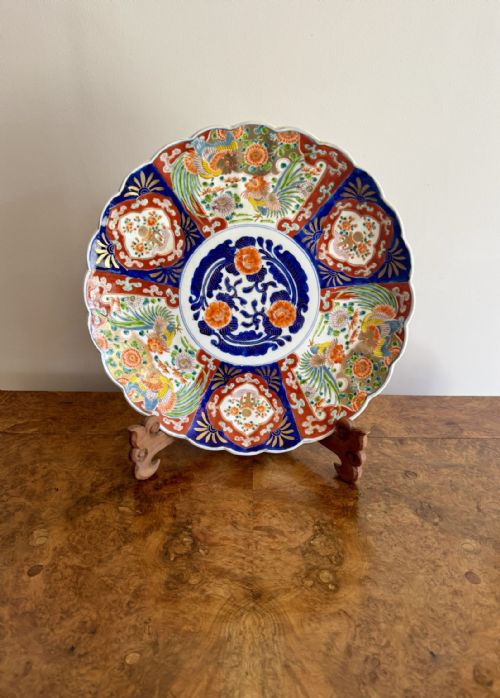
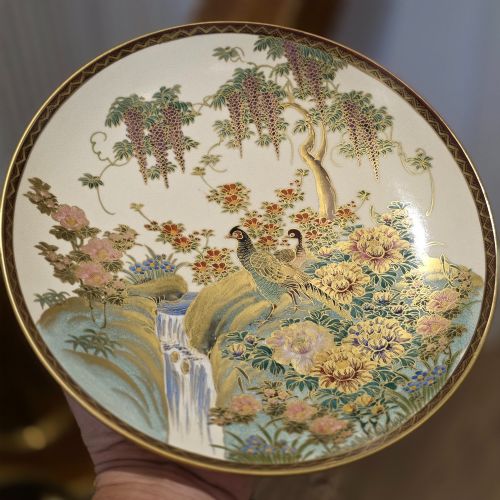
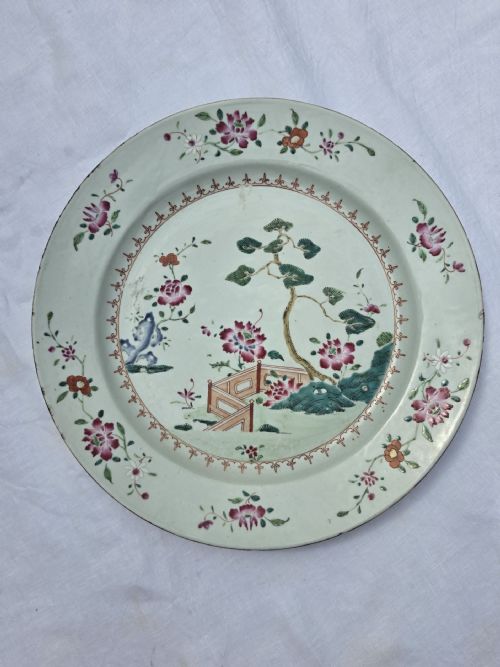
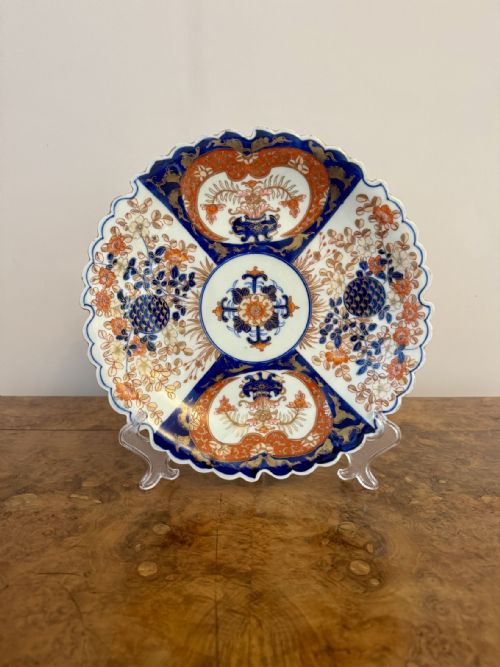
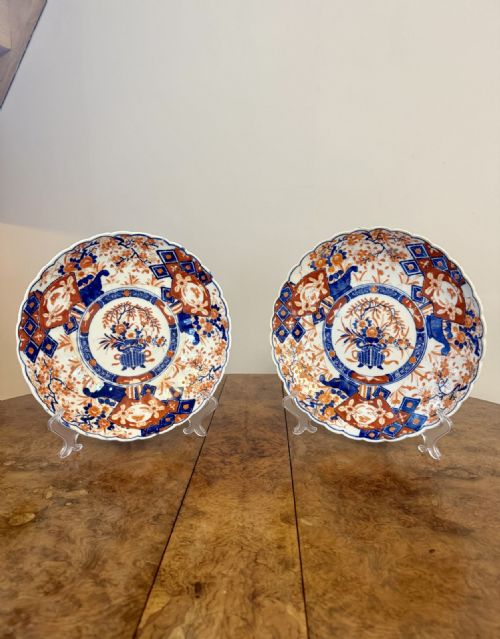
The assortment on this page leans heavily towards Japanese Imari porcelain plates, alongside substantial chargers decorated in blue and white, cobalt underglaze and rich enamel pigments. Buyers also find occasional Satsuma earthenware dishes and Famille Rose porcelain pieces suitable for display.
Forms vary from standard circular plates to large chargers, square plates and shell-shaped dishes designed specifically for visual impact on a wall or surface.
Materials and construction
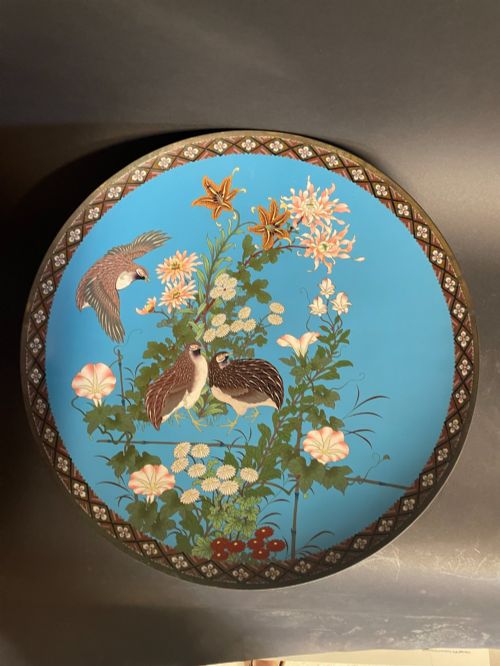
The pieces listed here rely primarily on porcelain and earthenware bodies, shaped by hand or on a wheel before receiving intricate surface decoration. Makers applied cobalt underglaze, enamel pigments and sometimes gold leaf or gilt accents to enrich the visual depth of the design.
Firing techniques varied across regions and centuries, with high-temperature kilns producing durable porcelain and lower temperatures yielding the distinctive crackle-glazed surfaces found on specific earthenware items.
Several plates capture the Seven Lucky Gods enjoying themselves, proving that ancient deities appreciated a gathering just as much as nineteenth-century collectors.
Distinctions in quality
Quality rests heavily on the precision and fineness of the hand-painted brushwork, where sharply rendered motifs and balanced compositions separate superior items from standard production pieces. The depth, clarity and vibrancy of the enamel colours and cobalt underglaze also dictate the standing of an individual charger or plate.
The physical scale and weight of the ceramic matter significantly, with large chargers requiring immense technical skill in the kiln to prevent warping. Additionally, the presence of specific artist marks or well-executed figurative scenes adds weight to a piece's artistic merit.
Koshida·Meizan
The Asian Ceramic Wall Plates Glossary
- Imari
- A style of Japanese porcelain featuring a distinct palette of underglaze blue, iron red and gilt highlights. These pieces were heavily exported to Europe from the port of Imari.
- Charger
- A large decorative plate or platter intended primarily for display rather than for serving food at the table. Their generous diameter allowed artists to execute complex multi-figure scenes.
- Famille Rose
- A major palette of Chinese ceramic glazes introduced during the Qing dynasty, characterised by opaque pink and rose enamel colours. The style depicts floral, bird and figurative subjects.
- Satsuma
- A type of Japanese earthenware featuring a pale, ivory-coloured crackle glaze decorated with detailed polychrome enamels and gilding. These items gained significant popularity during the Meiji period.
Asian Ceramic Wall Plates: Frequently Asked Questions
How do I hang these safely?
Displaying Asian ceramic wall plates requires specialised spring-loaded brass hangers that distribute the weight evenly across the rim without damaging the ceramic body.
Ensure the wall fixing is secured firmly into a stud or uses a proper wall plug to support heavier chargers safely.
Are these plates food safe?
Antique ceramic wall plates from the eighteenth and nineteenth centuries are intended strictly for decorative display rather than culinary use.
Old glazes and enamel decorations may contain lead or other substances that are unsuitable for contact with food.
How do I date an Imari plate?
Dating Imari porcelain involves examining the body weight, the tone of the cobalt underglaze and the quality of the iron-red enamel highlights.
Pieces from the Edo period often display different potting characteristics and heavier throwing rings compared to later Meiji or twentieth-century interpretations.
What is the difference between a plate and a charger?
The primary distinction lies in physical scale, as chargers measure significantly larger than standard dining or cabinet plates.
Chargers were manufactured specifically to serve as dramatic centrepieces on furniture or walls, allowing artisans space for elaborate figurative work.