


Hand Decorated Porcelain Dishes
Hand decorated porcelain dishes are painted ceramics intended for display and formal service, offering intricate artistry from multiple centuries.
Hand Decorated Porcelain Dishes
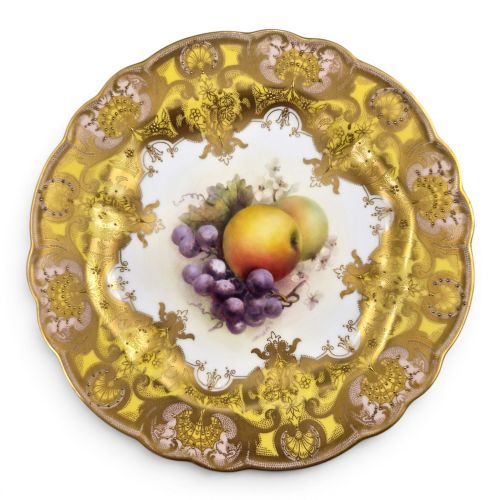
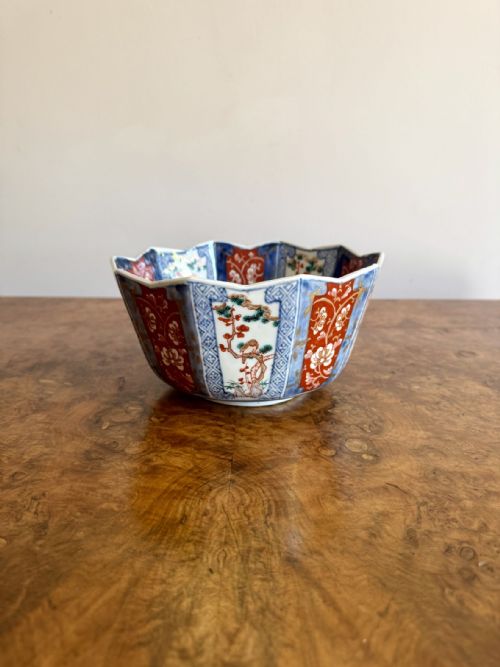
Hand decorated porcelain dishes encompass cabinet plates, bowls, trays, and tea wares produced across various historical periods ranging from the seventeenth century through the early twentieth century. When exploring hand decorated porcelain dishes, buyers encounter both European factory products and Asian export wares created for display or dining. The forms on this page include decorative bowls, cabinet plates, dinner services, dessert plates, and saucers.
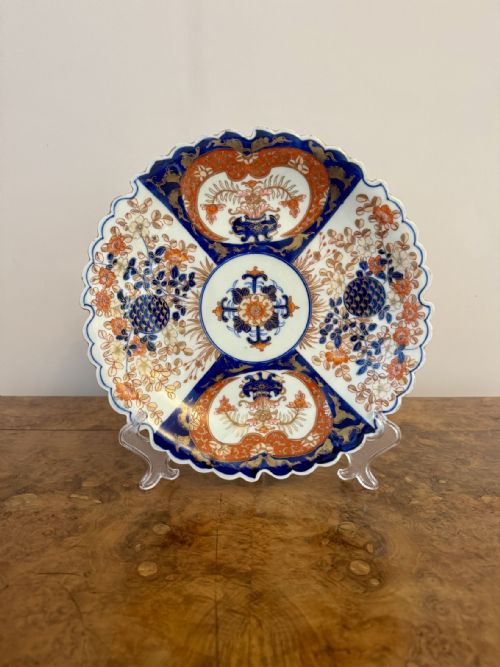
The selection ranges from early Chinese export and Ming cargo pieces to eighteenth-century English works from Chelsea-Derby and Worcester, alongside nineteenth-century Regency creations and twentieth-century Edwardian examples. Japanese Imari and Meiji period bowls also appear alongside German factory items and Royal Worcester pieces. Each item reflects the aesthetic and painting traditions of its specific period of manufacture.
Materials and technique
Makers utilised porcelain bodies finished with various glazes, cobalt pigment, enamel, and gold leaf or gilding to achieve their colourful surface designs. Artisans applied pigments by hand, sometimes incorporating gold leaf glaze and detailed painting before firing the pieces in kilns.
The combination of porcelain substrates with hand-painted enamel and cobalt blue underglaze defines the visual character of these items. Workshops employed specialised painting techniques, ranging from blue and white underglaze decoration to polychrome enamel work and detailed overglaze gilding.
The listings span multiple centuries, incorporating eighteenth-century tea bowls alongside twentieth-century Edwardian cabinet plates.
What varies in quality
The standard of hand decorated porcelain dishes depends upon the precision and complexity of the brushwork applied to the surface. Superior examples demonstrate accomplished artistry from named painters or distinguished factories, whereas simpler items show more commercial execution.
The crispness of the porcelain body, the vibrancy of the enamel colours, and the integrity of the gilding determine the overall standing of an individual piece. Depth of detail in painted scenes and the sophistication of the decorative palette separate standard wares from finer artistic productions.
Royal Worcester·Müller Volkstedt MV Co.·Chelsea-Derby·Flight, Barr and Barr·Nantgarw·Spode·Meissen·Royal Doulton
The Hand Decorated Porcelain Dishes Glossary
- Cabinet plate
- A decorative plate intended for display in a cabinet or on a wall rather than for practical dining use. These often feature elaborate hand-painted scenes by known artists.
- Imari
- A style of Japanese porcelain featuring a distinct palette of cobalt blue, iron red, and gilt highlights. The tradition influenced many European factories.
- Overglaze
- Enamel decoration applied on top of the fired glaze and subjected to a subsequent lower-temperature firing to fix the colours. This technique permits a wide range of bright hues.
- Underglaze
- Pigment applied directly to the unfired or biscuit porcelain body before the transparent glaze layer is applied and fired. Cobalt blue is the most common underglaze pigment.
- Tea bowl
- A small handleless cup used for drinking tea, frequently found alongside matching saucers in eighteenth-century and nineteenth-century ceramic sets.
Hand Decorated Porcelain Dishes: Frequently Asked Questions
How do I date hand decorated porcelain dishes?
Dating relies on identifying factory backstamps, ceramic bodies, and painting styles characteristic of specific periods like the Regency or Edwardian eras.
Comparison with documented examples from factories such as Worcester or Spode helps narrow the decade of manufacture.
Can I use antique porcelain dishes for food?
Many of these pieces, particularly cabinet plates and older bowls, are intended primarily for display and decorative collections.
Using them for dining carries risks of surface wear to delicate enamels and historical gilding.
What is the difference between Chinese export and European porcelain?
Chinese export porcelain was produced in Asian kilns specifically for Western markets, often utilising distinct traditional motifs and materials.
European factories developed their own interpretations of these styles while establishing local porcelain recipes.
What makes a signed porcelain plate more desirable?
Signed pieces bear the specific mark or signature of an individual artist, such as Richard Sebright or Joseph Birbeck.
Attribution to a master painter confirms individual hand artistry beyond standard factory output.