


Chinese Iron Red Porcelain
Chinese iron red porcelain brings vibrant copper-derived tones to your room through centuries of skilled ceramic artistry.
Chinese Iron Red Porcelain
Chinese iron red porcelain encompasses vessels, figures, and plates decorated in distinctive rust-coloured metallic enamels across multiple historical eras. When you examine this selection, you encounter pieces spanning from the Ming dynasty and the Kangxi period through to late Qing and early Republic workshops.
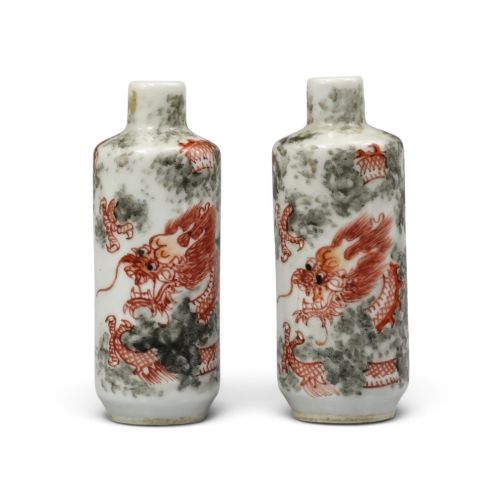
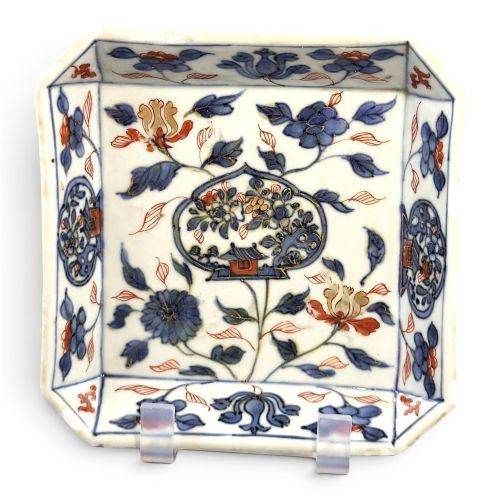
The objects take many forms, including snuff bottles, plates, bowls, tankards, jars, and decorative figurines. Many items combine iron red with other pigments such as underglaze blue, gold leaf, and green enamel, reflecting both domestic imperial commissions and wares made for export.
How They Were Made
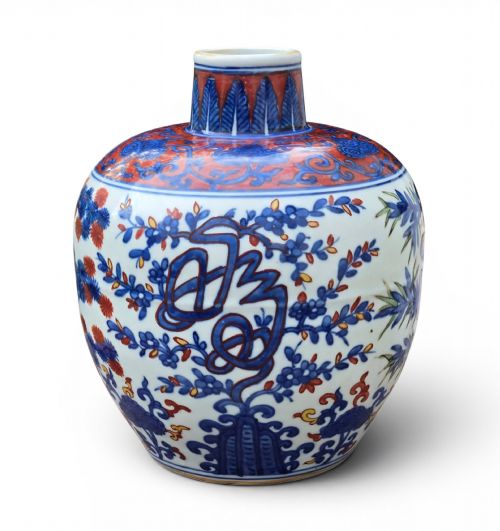
Potters shaped ceramic and porcelain bodies before applying mineral pigments and glazes by hand. The characteristic iron red colour relies on iron oxide applied as an overglaze enamel or combined with cobalt glaze under the surface.
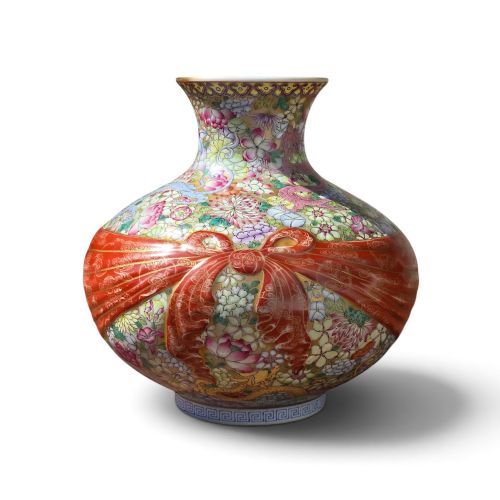
Certain elite pieces integrate additional techniques like gold leaf gilding or delicate ceramic enamel details over the fired white base, requiring precise kiln control to fix the different colours.
The documented styles range from Ming dynasty and Kangxi period items to Chinese export, Georgian chinoiserie, and late Qing pieces.
What Varies in Quality
Quality in these ceramics rests on the precision of the brushwork and the depth of the iron red pigment. Superior examples display crisp control over detailed motifs such as dragons, longevity characters, and floral ribbons.
The sophistication of the underlying form and the harmony between the iron red enamel and secondary colours like cobalt blue or gold leaf distinguish standard export wares from imperial pieces.
The Chinese Iron Red Porcelain Glossary
- Iron-Red Enamel
- A copper or iron-based pigment applied over the fired glaze to produce rust-orange or coral-red tones. It is fused to the ceramic surface during a secondary, lower-temperature firing.
- Underglaze Blue
- A cobalt pigment painted directly onto the raw porcelain body before glazing and high-temperature firing. This technique creates deep blue designs that sit permanently beneath the clear glaze.
- Chinese Export
- Ceramics produced in China specifically for western markets from the Ming period onwards. These items often adapt traditional Chinese motifs to suit European dining and display habits.
- Overglaze Enamel
- Coloured glass fluxes painted on top of a previously fired and glazed porcelain vessel. The piece undergoes a final, gentle kiln firing to bond the decorations.
- Imari
- A Japanese style of porcelain decoration adopted by Chinese kilns, featuring a palette of underglaze blue, iron red, and gilt. It gained immense popularity across Europe during the seventeenth and eighteenth centuries.
Chinese Iron Red Porcelain: Frequently Asked Questions
How do I care for iron red porcelain?
Wash these fragile ceramic pieces gently by hand using lukewarm water and mild soap. Avoid abrasive sponges and harsh chemical detergents that can damage the delicate overglaze enamel and gold leaf details.
Display your items away from direct sunlight and areas subject to sudden temperature fluctuations. Stable indoor conditions protect the historic porcelain body and prevent unnecessary stress on the glaze.
How are different periods identified?
Collectors look at stylistic details, potting characteristics, and specific reign marks stamped or written on the base. Pieces from the Ming dynasty differ markedly in weight and brush style from later Qing or Republic era items.
Comparing the interaction of the iron red enamel with secondary pigments like cobalt blue helps contextualise the date. Earlier pieces often show distinct potting traits that evolved across the centuries.
Were these pieces used daily?
Many objects, such as tankards, bowls, and plates, served practical functions for dining and drinking in both Asian households and European stately homes. Other items like snuff bottles and figurines were strictly decorative or personal.
Over time, functional vessels transitioned into cabinet pieces collected for their aesthetic qualities. Their survival across centuries reflects careful handling by successive generations.
What is the difference between export and imperial wares?
Imperial wares were commissioned directly for the Chinese imperial court, often bearing specific reign marks and demonstrating the finest available craftsmanship. They utilised superior materials and complex multi-layered enamel designs.
Export wares were created for international trade, adapting traditional Chinese forms and motifs to foreign tastes. While varied in quality, they share the same fundamental porcelain and iron red decorating traditions.