

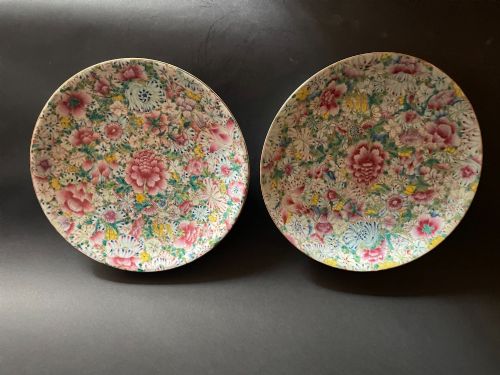


Qing Dynasty Style Plates
Qing dynasty style plates bring hand painted porcelain into your home, offering centuries of ceramic artistry across plates and chargers.
Qing Dynasty Style Plates
When you search for qing dynasty style plates, you encounter decorative porcelain dishes and chargers spanning periods from the eighteenth century to the twentieth century. These pieces encompass styles such as Chinese export and imperial-style wares, reflecting traditional eastern ceramic production.
Originating predominantly from Chinese traditions, the listings also include Japanese Arita Imari porcelain chargers created in similar aesthetic idioms. Each object serves primarily as a decorative display piece rather than everyday tableware.
How they were made
Potters shaped these objects from ceramic and porcelain, applying various glazes and enamels to the fired bodies. Artisans utilised cobalt pigment for blue and white designs under the glaze.
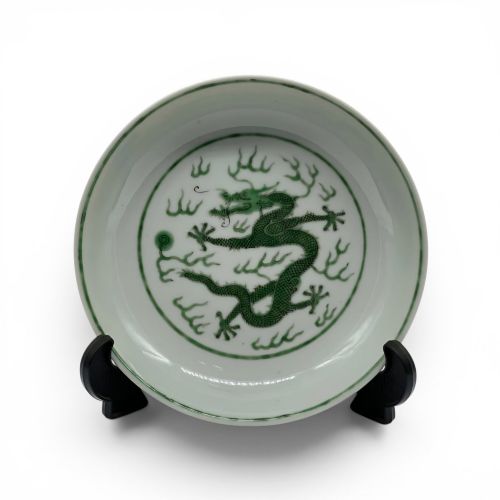
Many surfaces feature hand painted decoration, requiring steady brushwork to apply intricate motifs such as green dragons or traditional scenes. Kiln firing fixed these pigments permanently into the glaze.
Green dragons coil across imperial-style porcelain dishes, keeping a watchful ceramic eye on your dining room.
What varies in quality
Quality in these plates lies in the precision of the hand painted brushwork and the clarity of the cobalt pigment against the porcelain body. Finer examples display deliberate control over enamel application and balanced composition across the charger surface.
The age of the ceramic body and the sophistication of the imperial-style motifs also separate standard decorative plates from exceptional pieces. Superior items maintain crisp definition in their glaze and pattern work over centuries.
The Qing Dynasty Style Plates Glossary
- Porcelain
- A hard, white ceramic material fired at high temperatures to achieve vitrification. It forms the primary body for nearly all pieces found in this category.
- Cobalt Underglaze
- A blue pigment applied to the ceramic body before glazing and firing. This technique protects the colour beneath a glossy finish.
- Charger
- A large decorative plate traditionally used for ceremonial display rather than dining. These pieces command attention on walls or stands.
- Enamel
- Coloured glass paste applied over a fired glaze and heated again to fuse. It permits vibrant secondary colours alongside standard blue pigments.
Qing Dynasty Style Plates: Frequently Asked Questions
How are these plates displayed?
These decorative chargers and dishes suit wall hanging or placement on plate stands. Their generous size and painted surfaces work well as focal points in a room.
Ensure proper hardware supports the weight of larger porcelain pieces when mounting them on walls.
What periods do they cover?
The pieces span from the mid eighteenth century through the nineteenth century and into the early twentieth century. Dates reflect both traditional periods and subsequent stylistic revivals.
Examining the foot rim and glaze characteristics helps distinguish eighteenth century examples from later nineteenth century production.
Are they used for dining?
These items function primarily as decorative plates and chargers rather than functional tableware. Their historic nature and painted finishes make display the preferred method of enjoyment.
Hand washing in warm water suffices if cleaning becomes necessary, avoiding harsh detergents that might affect the glaze.
What materials are used?
Ceramic and porcelain form the foundation of these works, complemented by cobalt glaze and various coloured enamels. Pigments are bonded directly to the surface through kiln firing.
Different kilns produced variations in the white ground and the depth of the blue pigment.