
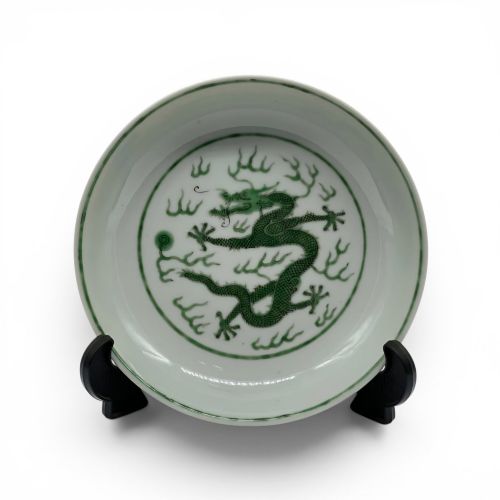


Hand Painted Chinese Dishes
Hand painted chinese dishes bring centuries of vibrant pigment and porcelain craftsmanship straight to the table.
Hand Painted Chinese Dishes
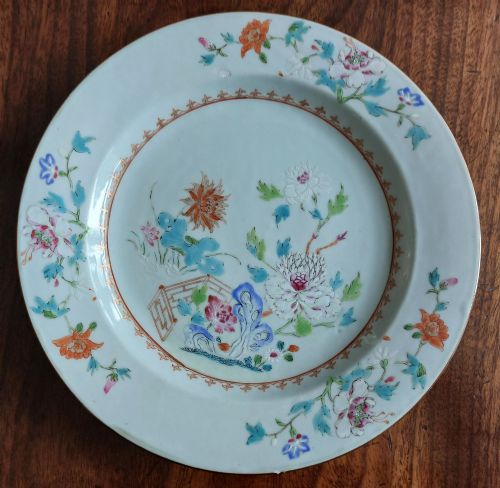
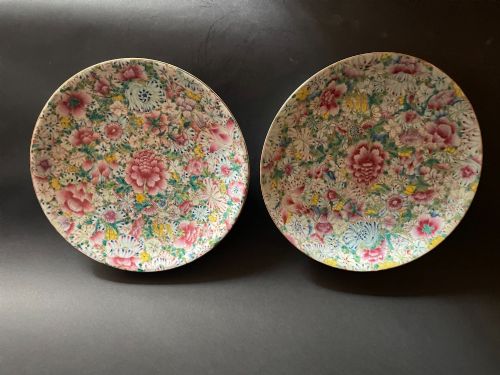
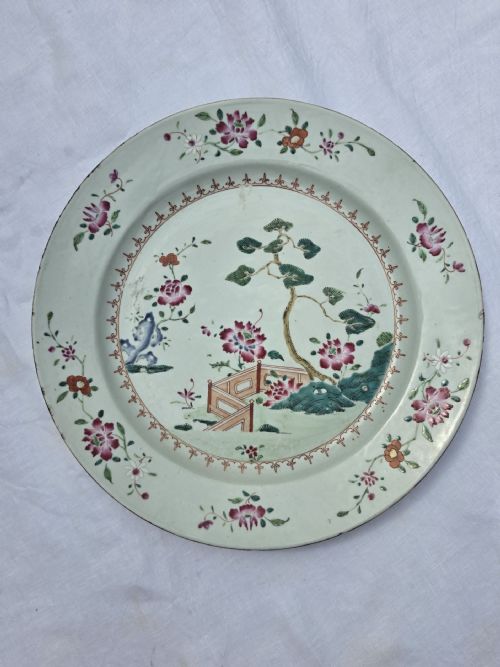
Hand painted chinese dishes encompass a variety of decorative plates, bowls, chargers, and platters spanning several centuries. Collectors searching this phrase regularly encounter pieces originating from the 18th and 19th centuries, alongside select Georgian era examples.
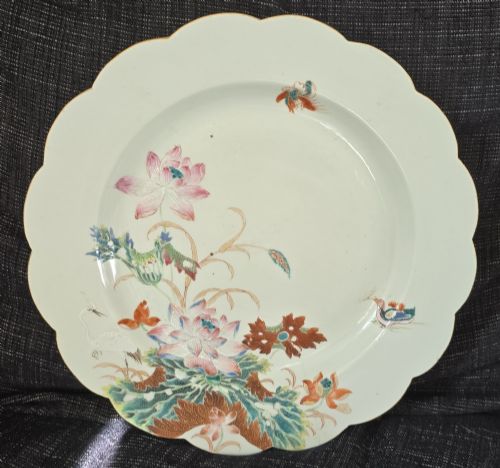
From delicate tea bowls to large chargers adorned with floral or avian motifs, these vessels serve primarily as decorative focal points. The physical evidence shows a heavy concentration of 18th century Qianlong period items and later Victorian era Canton wares.
How they were made
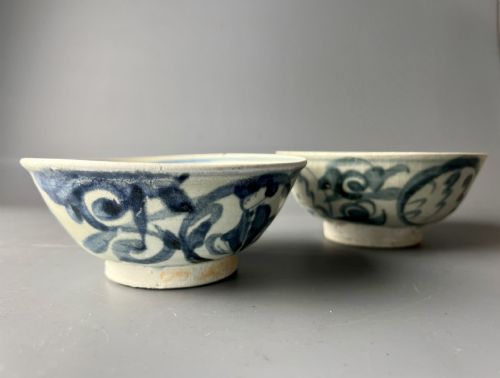
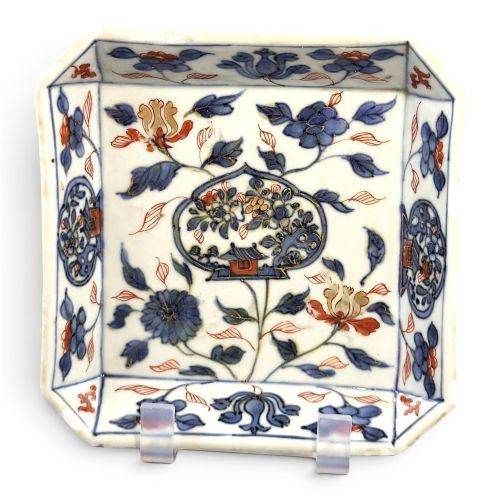
Potters shaped these vessels from fine porcelain, frequently applying cobalt underglaze for blue and white designs before firing. Artisans then added overglaze enamels, gold leaf, and gilding to create rich polychrome palettes.
Techniques varied from intricate hand painted enamel work to cobalt glaze applications. Master decorators utilised gold highlights and intricate brushwork to depict scenes involving flora, fauna, and traditional imperial motifs.
Listings span from the 17th century Ming cargo pieces up to early 20th century productions, highlighting porcelain, enamel, and gold leaf.
What varies in quality
The execution of the hand painted detail distinguishes standard decorative wares from finer examples. Precision in brushwork, particularly in complex floral, bird, and figural scenes, indicates the skill level of the original workshop.
The application of overglaze enamels and gold leaf influences the visual depth of a dish. Superior pieces exhibit well-preserved pigments and balanced compositions across porcelain, enamel, and gilt surfaces.
The Hand Painted Chinese Dishes Glossary
- Porcelain
- A hard, white, vitrified ceramic material fired at high temperatures. It forms the essential base body for nearly all traditional Chinese dishes.
- Famille Rose
- A prominent palette of opaque overglaze enamel colours introduced in the Qing dynasty. Pink is its signature tone, alongside greens, yellows, and blues.
- Underglaze
- Pigment applied directly to the raw porcelain body before the transparent glaze layer is added. Cobalt blue is the most common underglaze material found here.
- Export
- Goods produced in China specifically for western markets and foreign trade. These often incorporated European armorial details or tailored shapes.
- Charger
- A large decorative plate or platter used historically for service or display. They showcase expansive painted surfaces.
Hand Painted Chinese Dishes: Frequently Asked Questions
How do I date an old chinese dish?
Dating relies on stylistic markers, reign periods, and material characteristics recorded in the listings. Examining the specific enamel palette and underglaze tones helps align the piece with eras like the Qianlong or Victorian periods.
Changes in porcelain body texture and potting techniques also offer clues to whether a dish originates from the 18th century or later.
What is the difference between Canton and export wares?
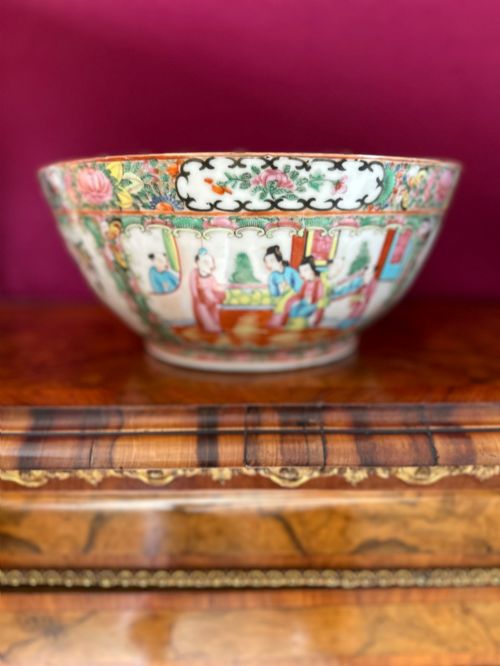
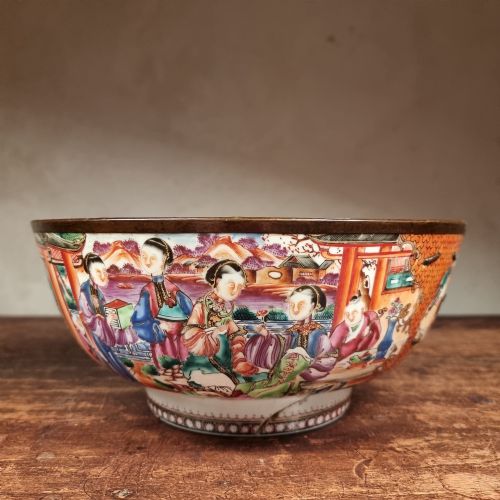
Canton wares typically feature dense, colourful panel decorations filled with figures, birds, and flowers in the famille rose or famille verte palettes. These developed strongly during the 19th century.
Chinese export covers a broader category of goods made for western trade over multiple centuries, often incorporating specific family crests or tailored shapes.
How were these dishes used historically?
Many large chargers and plates served functional roles at elite dining tables across Europe and Asia. Tureens and platters held food during elaborate meals, while smaller bowls and saucers were reserved for tea.
Over time, many of these vessels transitioned into purely decorative display items hung on walls or set upon mantelpieces.
Can I use antique dishes for daily dining?
Most collectors avoid using antique porcelain for regular meals due to the delicate nature of overglaze enamels and gold leaf gilding. Historic pigments can wear away with frequent washing and cutlery use.
Instead, these pieces are best preserved for display, special occasions, or careful decorative integration within the home.