



Pink Porcelain Display Plates
These pink porcelain display plates bring vibrant colour and intricate hand-painted detail straight to your walls and cabinets.
Pink Porcelain Display Plates
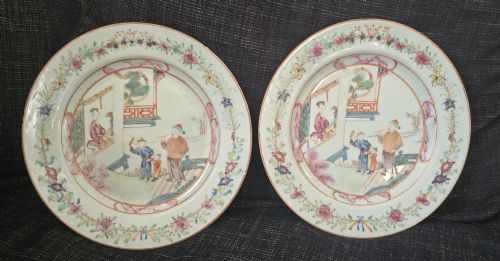
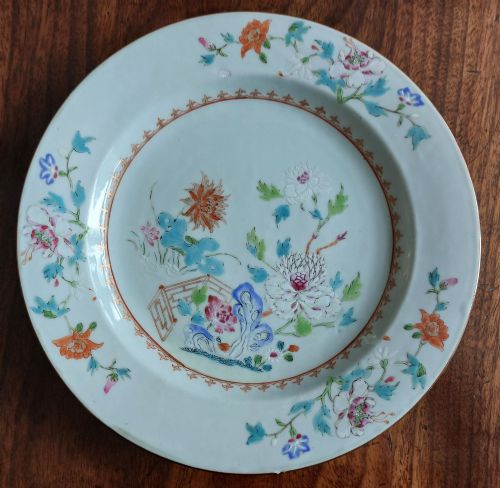
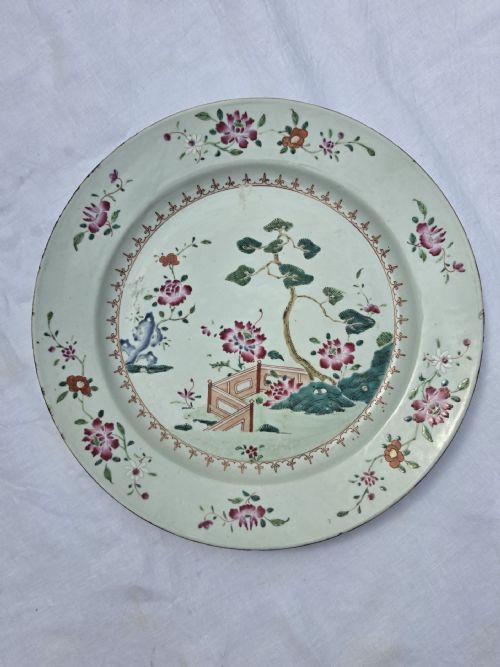
When you search for pink porcelain display plates, you encounter decorative ceramics designed primarily for visual appreciation rather than dining. These pieces span the eighteenth and nineteenth centuries, taking the form of cabinet plates, chargers, and decorative plates.
Eighteenth-century examples often display the pink enamel palettes of the Qianlong period, while nineteenth-century pieces showcase later Victorian tastes and Imperial Russian craftsmanship. Each item serves as a focal point, bringing historical artistry into domestic spaces.
How they were made
Makers shaped these plates using hard-paste porcelain, applying an enamel glaze to create a smooth, durable base for subsequent decoration. Artisans utilised overglaze enamel techniques to achieve the characteristic pink tones and vibrant polychrome scenes recorded across the periods.
Pink Porcelain Display Plates Retail Price Guide 2026
Typical asking prices for pink porcelain display plates among the pieces listed under this phrase on Sellingantiques today, from the lower quarter to the upper quarter. They describe what is for sale here now, not the wider market.
Listings here span the 18th century to 1900, uniting Chinese export porcelain with European factories like Mintons and Vienna.
What varies in quality
The finesse of the hand-painted brushwork separates standard examples from exceptional ones, particularly in the rendering of facial expressions, garden settings, and intricate borders. Artisans who achieved greater depth and precision in their enamel work produced pieces with enduring visual impact.
The application and preservation of gold leaf also dictate overall standard, as superior gilding retains its lustre and crisp detail through centuries of handling. Furthermore, the clarity of the porcelain body and the richness of the pink enamel palette distinguish the finest cabinets plates and chargers.
Furstenberg·Kornilov Brothers·Mintons
The Pink Porcelain Display Plates Glossary
- Hard-paste porcelain
- A dense, vitrified ceramic material fired at high temperatures, composed of kaolin and petuntse. It provides a durable and bright white canvas for enamel painting.
- Overglaze enamel
- A technique where coloured glass fluxes are painted onto a previously fired and glazed ceramic surface, then fixed with a lower temperature kiln firing. This method preserves the brilliance of pink and other vibrant hues.
- Cabinet plate
- A decorative ceramic piece intended for display in a cabinet, on a wall, or on a mantelpiece rather than for serving food. These items often feature elaborate artistry.
- Charger
- A large ornamental plate used traditionally as a base under other courses or displayed upright for visual effect. They provide a broader surface area for complex pictorial scenes.
- Pate-sur-pate
- A ceramic decoration method where liquid clay is painted in successive layers onto a coloured body to create a low relief cameo effect. This technique demands immense skill from the artisan.
Pink Porcelain Display Plates: Frequently Asked Questions
How do I display these plates safely?
Mount these plates using secure, rubber-tipped wall hangers designed specifically for heavy ceramics, or place them firmly in grooved display stands within enclosed cabinets. Ensure the mounting hardware supports the exact weight of the individual charger or plate.
Keep the display areas away from direct sunlight and areas of heavy traffic to protect the delicate enamel and gold leaf from accidental knocks or fading over time.
Can I use these plates for dining?
These items are strictly decorative cabinet plates and chargers intended for visual display rather than daily domestic use. The historic overglaze enamels and gold leaf decorations are susceptible to wear from cutlery and frequent washing.
Preserve the integrity of the hand-painted surfaces by keeping the pieces away from food, liquids, and abrasive cleaning materials.
How do I clean pink porcelain display plates?
Dust the surfaces gently using a soft, dry ostrich feather duster or a clean, dry artist's brush to remove particles without disturbing the glaze. Avoid submerging antique porcelain in water, particularly pieces with extensive gold leaf or enamel work.
If deeper cleaning is necessary, consult a professional conservator rather than attempting chemical treatments or scrubbing the historic pigments.
How do I tell eighteenth and nineteenth-century pieces apart?
Examine the style of the hand-painted motifs and the characteristics of the porcelain body, noting that eighteenth-century Chinese export wares often feature specific Qianlong period palettes and motifs. Nineteenth-century pieces frequently display different revival styles, factory marks, or technical advancements like pate-sur-pate.
Compare the specific enamel tones and border designs with documented examples from the same period to establish a reliable timeline for each plate.