
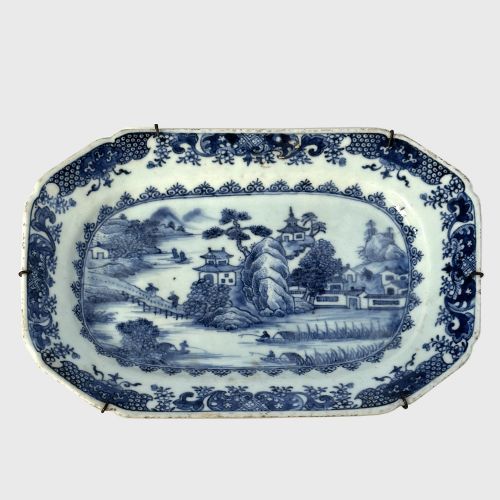


Qianlong Export Porcelain
These pieces of qianlong export porcelain bring eighteenth-century maritime trade into the home through finely painted ceramic forms made in China for European markets.
Qianlong Export Porcelain
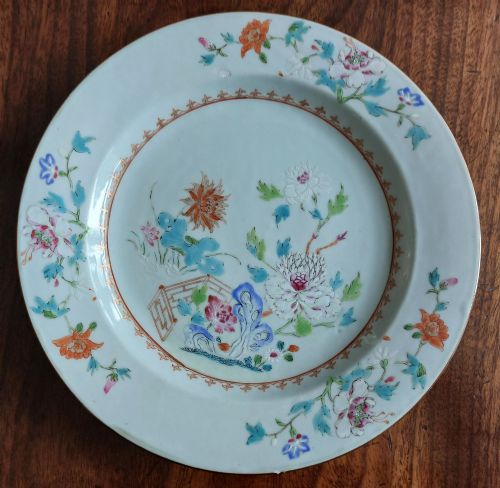
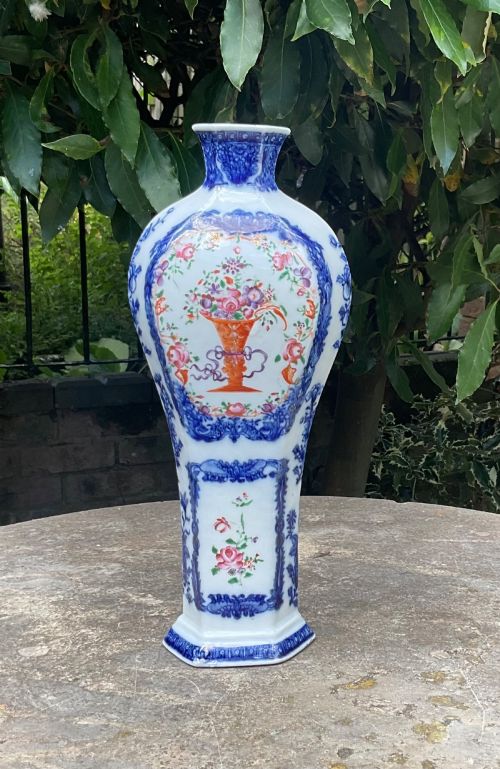
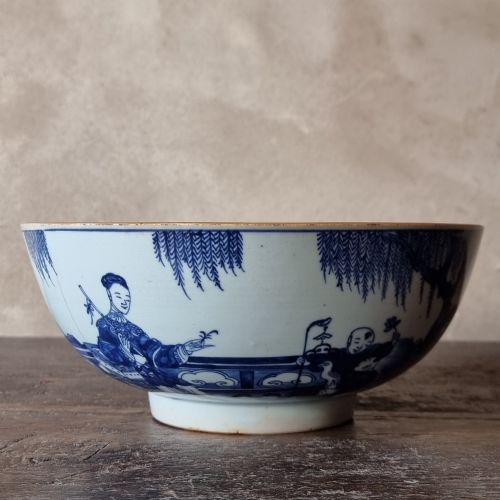
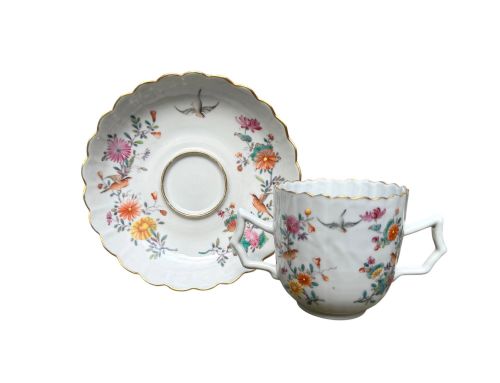
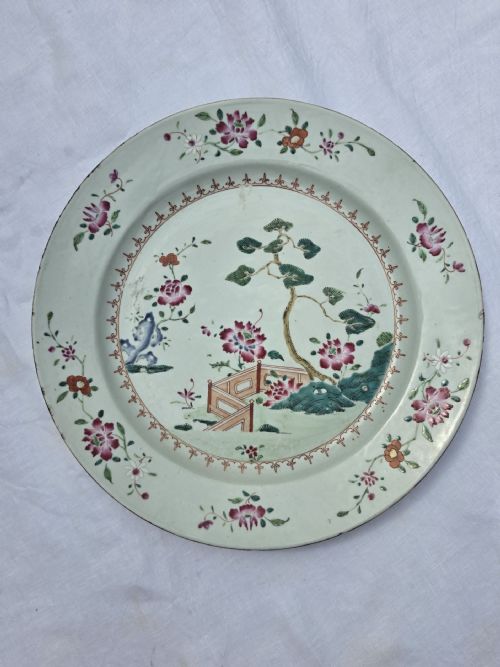
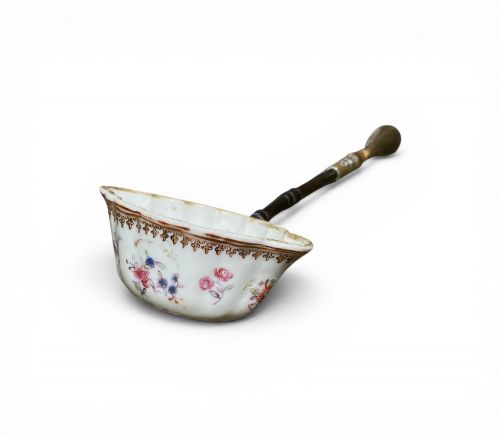
When you search for qianlong export porcelain, you encounter ceramic wares made during the eighteenth-century Qing Dynasty specifically for Western markets, spanning decorative plates, punch bowls, tea services, and animal figures.
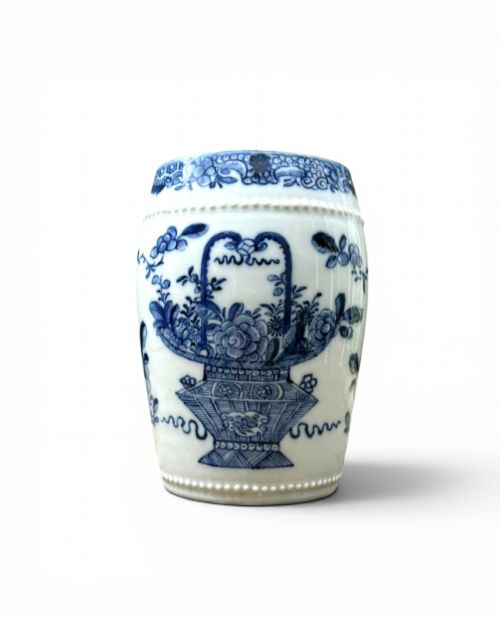
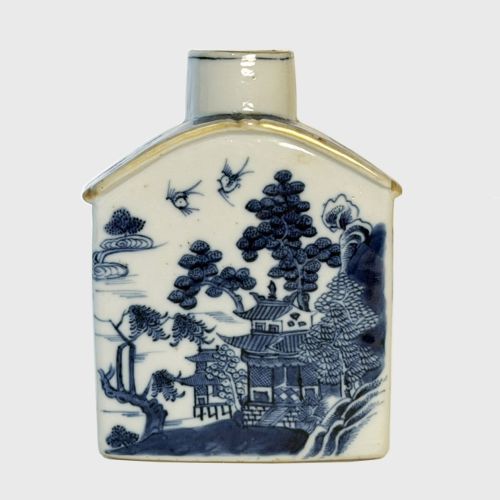
The objects most frequently met on this page include famille rose plates, armorial chargers bearing European coats of arms, and blue and white service items originating from the imperial era.
These wares bridge Eastern ceramic mastery and Western domestic utility, functioning historically as high-status display items and dining vessels for wealthy households.
Materials and methods of manufacture
Potters utilised hard-paste porcelain shaped into utilitarian and decorative forms, which were then finished with cobalt glaze for blue and white designs or overglaze enamel colours.
The application of enamel, gold leaf, and pigment required multiple firings in kilns to fix the intricate botanical, figural, and armorial motifs onto the ceramic body.
Among the tea wares and punch bowls, ceramic dogs and acrobatic figures demonstrate the playful side of eighteenth-century trade.
Assessing quality and craftsmanship
The clarity of the porcelain body, the vibrancy of the famille rose enamels, and the stability of large forms like punch bowls and tureens further mark the upper tier of the range.
The Qianlong Export Porcelain Glossary
- Famille rose
- A palette of opaque overglaze enamels dominated by pink or rose colours, introduced during the Qing Dynasty.
- Armorial porcelain
- Ceramic tableware painted to order with specific European family coats of arms or heraldic insignia.
- Hard-paste porcelain
- A dense, vitrified ceramic material composed of petuntse and kaolin, fired at high temperatures.
- Chinese Imari
- A decorative style combining underglaze blue with iron red and gold, inspired by Japanese porcelain imports.
- Mandarin palette
- A style of painting featuring large figural scenes enclosed within elaborate floral or scroll borders.
Qianlong Export Porcelain: Frequently Asked Questions
What is qianlong export porcelain?
These are ceramics produced in China during the eighteenth-century reign of the Qianlong Emperor for export to European and American buyers.
The inventory includes domestic wares such as tea bowls, platters, and mugs painted with western armorials or traditional Chinese motifs.
How were these porcelain pieces used?
Wealthy households utilised these ceramics for formal dining, punch service, tea drinking, and decorative display in reception rooms.
Armorial services signaled social status and family lineage during grand dinner parties.
How do you date qianlong porcelain?
Dating relies on stylistic markers, historical reign periods between seventeen thirty-six and seventeen ninety-five, and characteristic potting traits.
Changes in enamel palettes and baseline forms help separate mid-eighteenth-century items from later productions.
How do I care for antique porcelain?
Antique ceramics require gentle handling, hand washing with mild soap, and secure placement away from high-traffic zones.
Avoid abrasive sponges and harsh chemical cleaners to protect the delicate overglaze enamels and gold leaf highlights.