
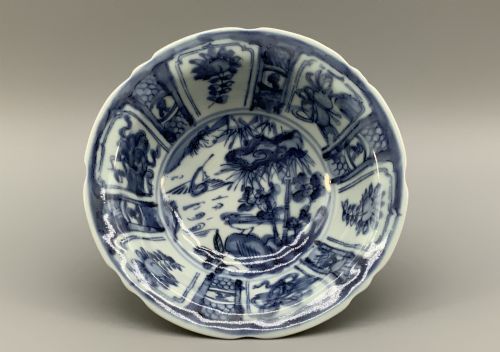
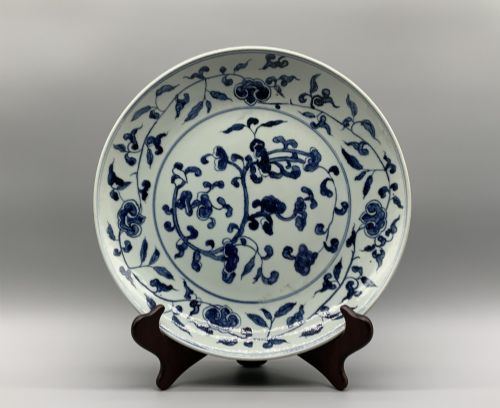
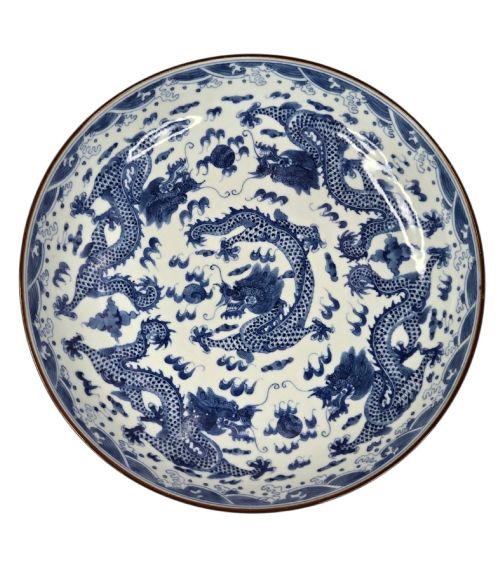

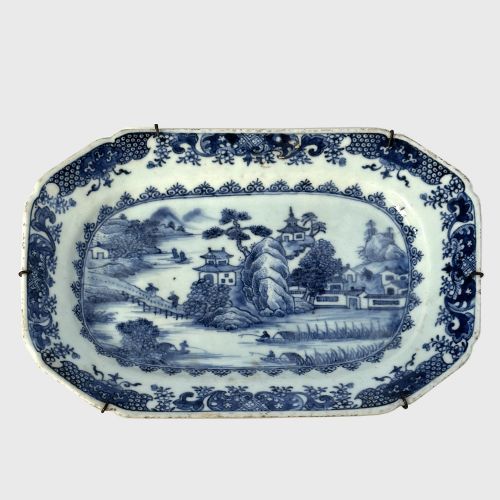


Qing Dynasty Porcelain Platter
A qing dynasty porcelain platter brings centuries of imperial craftsmanship to the table, offering generous proportions and hand-painted artistry that collectors value.
Qing Dynasty Porcelain Platter
A qing dynasty porcelain platter encompasses large serving vessels, chargers, and decorative dishes made during the Qing Dynasty, spanning from the seventeenth century through to the nineteenth century.
The pieces on this page appear in various forms, including blue and white serving dishes, Imari platters, and intricately painted famille rose or famille verte trays.
Buyers seeking a qing dynasty porcelain platter often encounter large chargers and serving dishes decorated with floral motifs, dragons, or court scenes originating from Chinese export and domestic kilns.
How they were made
Potters utilised hard-paste porcelain, shaping the ceramic body before applying cobalt glaze or cobalt pigment underneath a clear finish for classic blue and white designs.
Overglaze enamel work brought vibrant polychrome palettes to pieces from the eighteenth and nineteenth centuries, requiring multiple firings in high-temperature kilns.
Qing Dynasty Porcelain Platter Retail Price Guide 2026
Typical asking prices for qing dynasty porcelain platter among the pieces listed under this phrase on Sellingantiques today, from the lower quarter to the upper quarter. They describe what is for sale here now, not the wider market.
Five-clawed dragons twist across these surfaces, reminding modern diners that ancient ceramics once served emperors with very high standards.
What varies in quality
The refinement of the porcelain body and the precision of the hand-painted brushwork dictate the distinction between standard utilitarian wares and exceptional imperial or export pieces.
Complexity in decorative schemes, such as five-clawed dragons or detailed court scenes combined with well-executed glazes, separates ordinary chargers from the finest examples.
The Qing Dynasty Porcelain Platter Glossary
- Charger
- A large decorative plate or platter typically used for serving food or display. These sizable ceramic pieces often feature elaborate painted scenes across the central well.
- Cobalt Underglaze
- A blue pigment applied to the unglazed ceramic body before the application of clear glaze and firing. This technique protects the blue coloration beneath the glassy surface.
- Chinese Export
- Porcelain manufactured in China specifically for the Western market from the seventeenth to the nineteenth century. These items often blend traditional Chinese forms with European stylistic preferences.
- Famille Rose
- A palette of opaque enamel colours dominated by pink or rose hues introduced during the Qing Dynasty. This style allows for subtle shading and intricate floral or figural compositions.
- Imari
- A style of Japanese or Chinese export porcelain featuring a distinctive combination of underglaze blue, iron red, and gilt. The aesthetic originated in Japanese kilns and was widely emulated.
Qing Dynasty Porcelain Platter: Frequently Asked Questions
How do I date a Qing porcelain platter?
Dating relies on stylistic markers, potting characteristics, and specific reign marks found on the base of the ceramic. Cobalt tones and decorative motifs often indicate whether a piece originates from the seventeenth, eighteenth, or nineteenth century.
Changes in glaze texture and footrim construction provide further clues for distinguishing Kangxi period items from later nineteenth-century production.
Were these platters used for dining?
Many large platters and serving dishes served functional roles at elite dining tables in both Asia and Europe. Serving meats and large dishes required durable hard-paste porcelain.
Over time, many of these durable vessels transitioned into purely decorative display objects hung on walls or placed on cabinets.
What is Chinese export porcelain?
Chinese export porcelain refers to wares made in China expressly for export to European and American markets. These objects reflect a fascinating cross-cultural exchange in design and form.
Potters adapted traditional Chinese manufacturing techniques to satisfy foreign tastes for specific platters, bowls, and services.
How should I care for antique porcelain?
Careful handling and gentle cleaning with lukewarm water and mild soap protect the historic glaze and delicate enamel decorations. Avoid harsh abrasive materials or modern dishwashers.
Displaying platters on stable stands or mounting them securely prevents accidental slips and structural damage.