







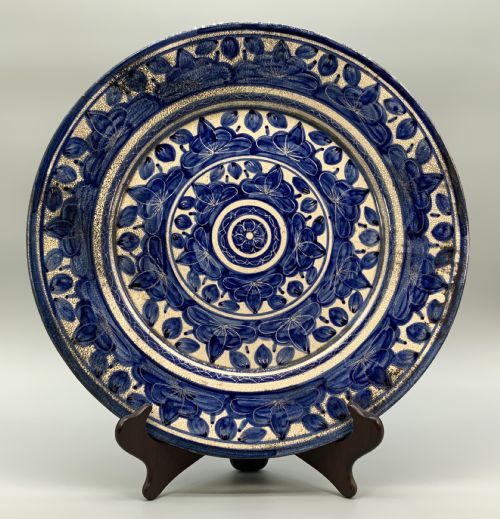
Cobalt Blue Ceramic Platter
A cobalt blue ceramic platter brings rich pigment and generous service to any dining table.
What these pieces are
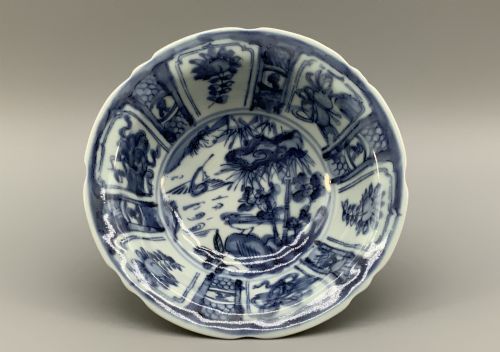
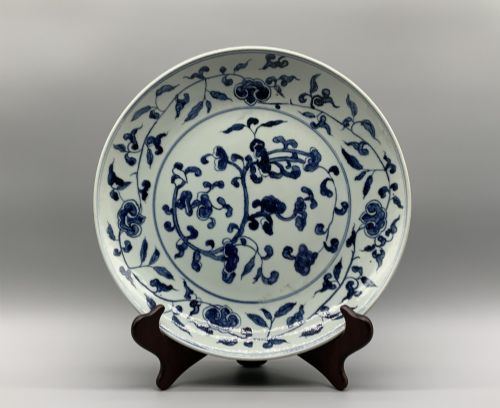
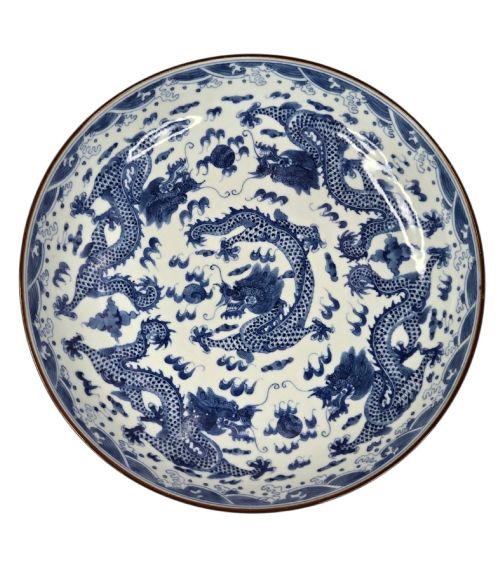
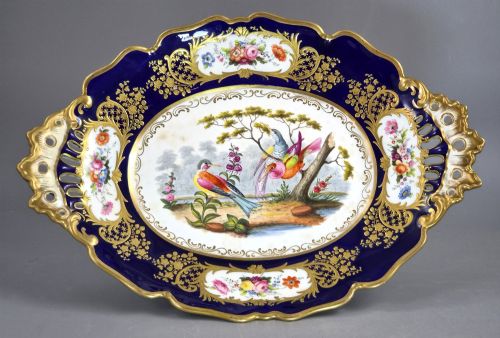
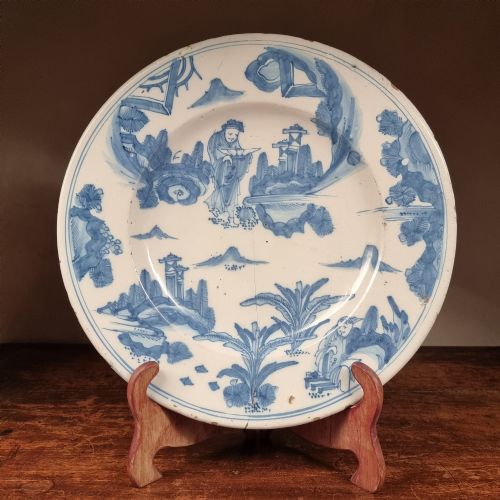
A cobalt blue ceramic platter provides a striking serving surface shaped by centuries of ceramic tradition. The search phrase covers serving dishes designed for presentation across various eras.
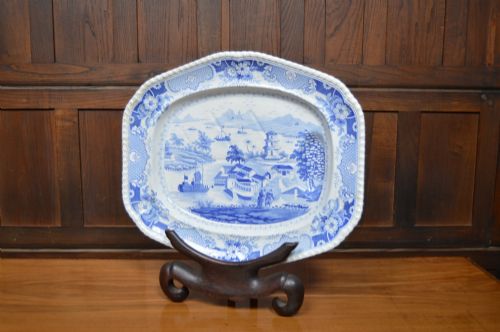
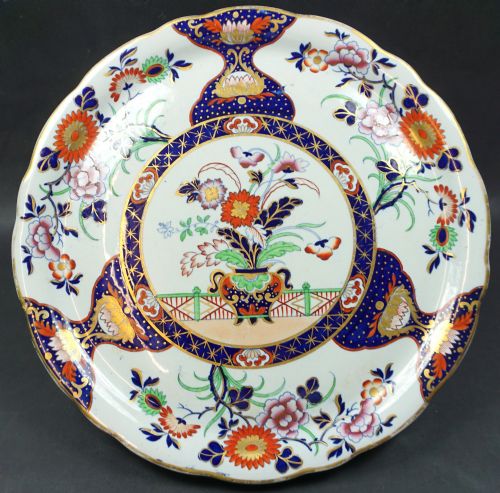
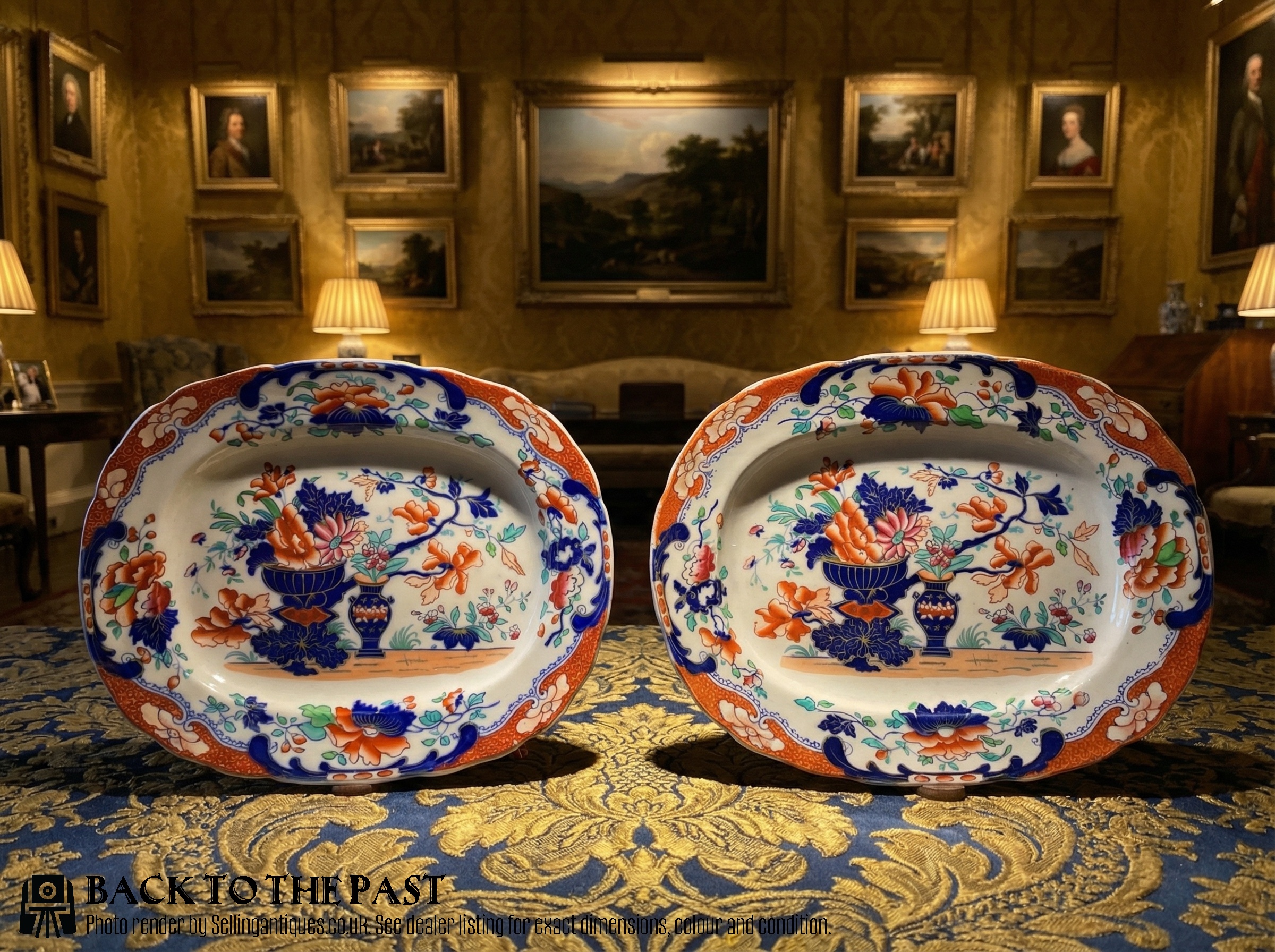
The versions most commonly met here range from 18th Century Chinese Export porcelain platters to Victorian ironstone dishes and Staffordshire printed plates. These pieces vary from octagonal serving dishes to large oval plates.
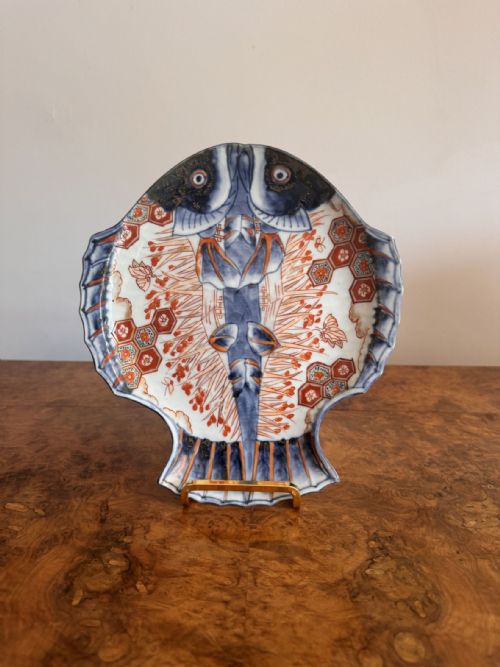
Makers utilised styles such as Georgian, Victorian Imari, Chinese Export, and Japanese Imari to decorate the ceramic body. Each platter serves as both a functional table vessel and a decorative display piece.
How they were made
Potters shaped hard-paste porcelain, soft-paste porcelain, and ironstone into robust platters and serving dishes. These ceramic bodies received cobalt pigment applied beneath or over the glaze before firing.
Certain wares incorporate gold leaf highlights applied over the fired glaze to add rich detail. Ironstone bodies offered durability for heavy daily service, while porcelain provided a finer canvas for intricate blue and white printing.
Retail Price Guide 2026
Typical UK retail prices for cobalt blue ceramic platter, calculated from the Sellingantiques database of over a million retail prices indexed since 2003. This retail price guide relies exclusively on Sellingantiques data; no external sources or auction records are used, so the figures do not describe the wider market.
Listings span the 18th Century, 19th Century, and Victorian period, featuring ironstone, hard-paste porcelain, and soft-paste porcelain.
What varies in quality
Quality separates simple utility wares from ambitious artistic efforts through the crispness of the cobalt pigment and the balance of the painted or printed design. Superior examples show deep, steady blue tones without blurring across the ceramic surface.
The refinement of the ceramic body and the uniformity of the glaze determine the standing of each platter. Heavy ironstone dishes rely on sturdy weight and clean moulding, whereas porcelain platters depend on thin walls and careful potting.
The Cobalt Blue Ceramic Platter Glossary
- Ironstone
- A dense, heavy ceramic developed to resist chipping and cracking during heavy use. It forms a durable base for serving platters.
- Hard-paste porcelain
- A vitrified ceramic fired at high temperatures using kaolin and petuntse. It creates a ringing, translucent body.
- Soft-paste porcelain
- An early European porcelain mixture fired at lower temperatures using glass frits and white clay. It yields a softer texture than hard-paste porcelain.
- Cobalt pigment
- A metallic oxide used under the glaze to achieve a permanent blue colour in ceramics. It withstands high kiln temperatures without fading.
Frequently Asked Questions
What is a cobalt blue ceramic platter used for?
These large serving dishes were traditionally used at the table for presenting joints of meat, fish, or large courses. Their generous surface area made them central vessels for formal dining.
Today, they function well as practical serving pieces or as decorative wall and cabinet plates. The durable ceramic body allows them to handle light modern use.
How do I identify an 18th century platter?
Eighteenth-century platters often display characteristic Chinese Export or early English soft-paste porcelain bodies. Look at the potting thickness and the specific shade of cobalt under the glaze.
Examining the foot ring and any kiln marks helps confirm the period of manufacture. Earlier pieces frequently show slight irregularities from hand-forming.
What is the difference between ironstone and porcelain?
Ironstone is a thick, opaque, heavy ceramic designed for robust utility service. It offers high resistance to everyday wear and tear.
Porcelain is finer, often translucent, and fired to a completely vitrified state. It provides a more delicate appearance suited to formal dining.
How do I care for antique ceramic platters?
Wash these pieces gently by hand using mild soap and warm water to protect the historic glaze and any gold leaf highlights. Avoid soaking them for long periods.
Store them securely on flat surfaces or in plate racks to prevent edge chipping. Modern dishwashers should be avoided entirely.