


Chinese Landscape Porcelain
Chinese landscape porcelain brings mountain river valleys and scholars into rooms through cobalt blue and enamel painted scenes.
Chinese Landscape Porcelain
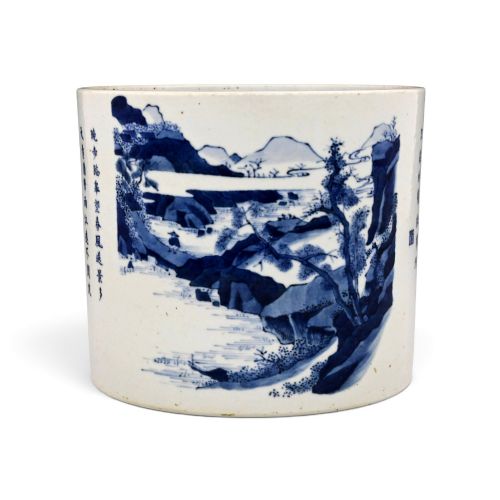
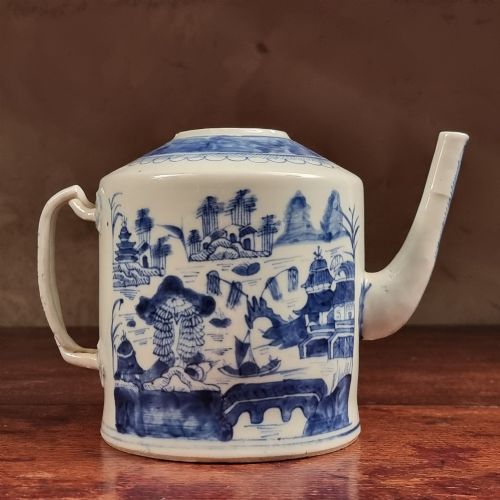
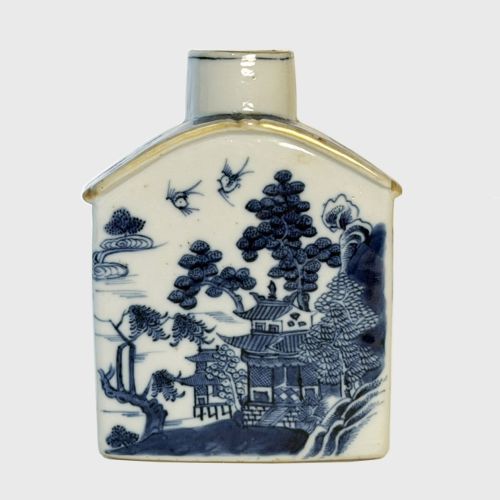
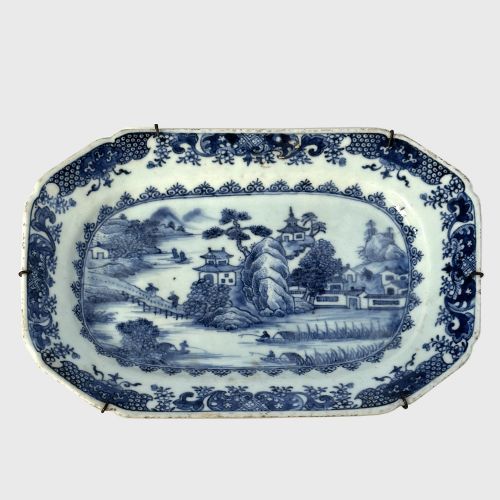
When you search for chinese landscape porcelain, you encounter vessels and decorative objects painted with traditional scenery. The selection spans the seventeenth century through the early twentieth century, taking forms such as teapots, platters, vases, jars, and scholar's brush pots.
Plates and serving dishes from the eighteenth century appear alongside nineteenth-century ginger jars and blue and white vases. Pieces carry influences from the Kangxi period and Qing dynasty, while some items incorporate later brass mounts or serve as converted table lamps.
Judging the standard of workmanship
The precision of the brushwork defines the fineness of the painting, separating hasty production from careful artistry in landscape rendering. Cobalt depth and clarity of the white porcelain ground dictate visual balance.
Integrity of the ceramic body and the preservation of enamel colours over centuries determine the physical condition and overall presence of the piece.
Some nineteenth-century ginger jars found a second life as electric lamps, shedding light on scholarly landscapes.
The Chinese Landscape Porcelain Glossary
- Bitong
- A cylindrical scholar's brush pot used in traditional Chinese studies. These containers held writing brushes and often featured carved or painted landscape scenes.
- Cobalt underglaze
- A blue pigment applied to the raw ceramic body before glazing and firing. This technique allowed intricate landscape details to remain permanent and protected beneath a glassy surface.
- Chinese Export
- Porcelain manufactured in China specifically for Western markets. These objects often combined traditional Asian landscape motifs with shapes demanded by European households.
- Ginger jar
- A large porcelain storage jar with a rounded body and matching cover. Originally used for spices, they frequently display painted blue landscapes.
- Jardiniere
- An ornamental ceramic pot designed to hold growing plants. Examples in this category often feature robust proportions and landscape decoration suitable for display rooms.
Chinese Landscape Porcelain: Frequently Asked Questions
How do I date chinese landscape porcelain?
Dating relies on stylistic markers, potting techniques, and cobalt pigment characteristics. Pieces associated with the Kangxi period show specific brushwork styles distinct from later nineteenth-century output.
Examining the foot ring and the tone of the blue underglaze helps establish the likely manufacturing period.
Can I use these lamps daily?
Vases and jars adapted into table lamps can function in modern interiors when wired correctly. Careful placement away from heavy traffic areas protects the antique porcelain body.
Consulting a professional electrician ensures the antique wiring meets contemporary safety standards before regular use.
What is Chinese Export porcelain?
Chinese Export porcelain refers to ceramics made in China for overseas buyers in Europe and America. These pieces bridged Eastern manufacturing traditions with Western functional demands.
Such items often display familiar landscape scenery adapted to suit foreign decorative tastes.
How should I clean porcelain vessels?
Dusting with a soft, dry cloth removes everyday surface particles safely. Avoid harsh chemical cleaners or abrasive sponges that might damage enamel surfaces.
Wash gently in lukewarm water with mild soap only when necessary, supporting the base firmly throughout.