


Blue White Tea Saucer
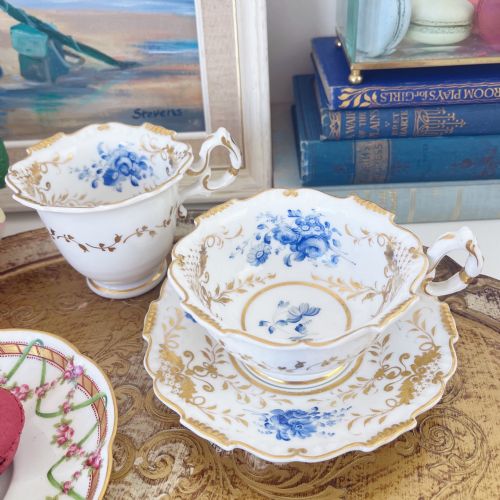
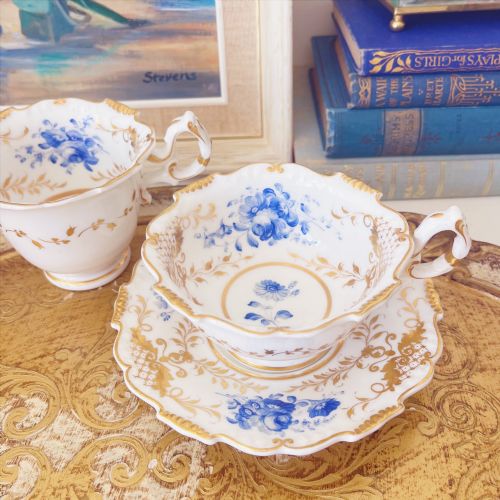
A blue white tea saucer brings tactile history to your table, offering delicate porcelain and handpainted cobalt details from centuries past.
Blue White Tea Saucer
When you search for a blue white tea saucer, you are looking at small ceramic dishes designed to hold teacups, tea bowls, or form part of larger tea service trios. The pieces you are most likely to meet on this page span the eighteenth and nineteenth centuries, including Georgian and Regency periods alongside Edwardian examples.
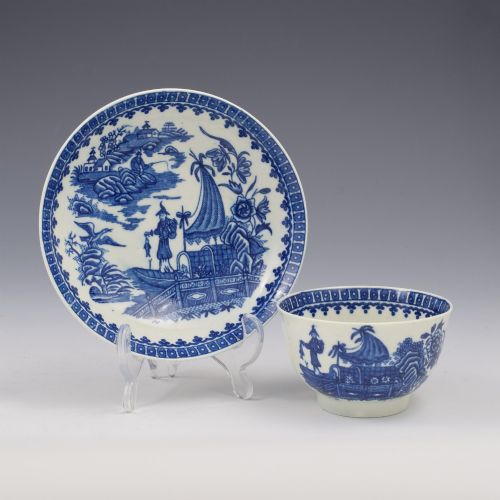
The forms range from individual tea bowls and saucers to more comprehensive teaware sets involving handpainted porcelain and soft-paste porcelain. Many carry distinct motifs like Chinoiserie landscapes, floral arrangements such as chrysanthemum and flower designs, or specific patterns named after their visual themes.
Originating largely from English factories and potteries, these items trace the evolution of domestic tea drinking from elite social rituals to everyday parlor use. They reflect the changing tastes of British households across distinct historical eras.
Materials and production techniques
Makers primarily utilised porcelain, soft-paste porcelain, and bone china as the ceramic base for these saucers. The smooth white body provided an ideal canvas for decoration.
Cobalt glaze supplied the deep blue pigment applied beneath the transparent surface, often complemented by handpainted details, enamel work, or occasional touches of gold gilding and gold leaf.
Some nineteenth century patterns carry delightful informal names like the Crazy Cow or Bengal Tiger.
Factors distinguishing quality
The refinement of the ceramic body and the precision of the cobalt glaze determine the foundational excellence of each piece. Early soft-paste porcelain displays distinct translucency and weight differences compared to later bone china bodies.
Artistic execution elevates certain examples, particularly where handpainted brushwork, intricate patterns like Chinoiserie scenes, or specialised moulded textures show superior hand control by the decorator.
H & R Daniel Shrewsbury·Coalport·Derby·Yates·Minton·Lowestoft Porcelain
The Blue White Tea Saucer Glossary
- Soft-Paste Porcelain
- An early artificial ceramic composition fired at lower temperatures than true hard-paste porcelain. It possesses a warm tone and distinctive translucency when held to the light.
- Cobalt Glaze
- A metallic blue pigment applied to the ceramic body before firing. It fuses permanently with the transparent glaze during the kiln process.
- Chinoiserie
- European artistic style reflecting Chinese motifs and imaginary landscapes. Popularized during the Georgian era on domestic teaware.
- Tea Bowl
- A handleless vessel used for drinking tea before teacups with handles became standard. It is frequently paired with a matching saucer.
Blue White Tea Saucer: Frequently Asked Questions
How do I use antique saucers safely?
These delicate porcelain pieces suit gentle handling during afternoon tea or display within cabinets. Hand washing in warm water preserves the historic glaze and any delicate gold leaf.
Avoid dishwashers, microwaves, and sudden temperature shifts to protect the eighteenth or nineteenth century material from thermal shock and cracking.
Can I date a saucer by its glaze?
Early soft-paste porcelain and cobalt glaze application show specific pooling and minor imperfections under magnification compared to uniform nineteenth century bone china. Examining the foot ring reveals the unglazed clay base characteristic of earlier firing methods.
Comparing pattern styles like Chinoiserie or floral motifs against documented factory periods helps narrow down the decade of production.
What is a tea bowl and saucer set?
A tea bowl is a small, handleless drinking vessel designed to accompany a matching saucer in eighteenth century table settings. Hot tea was often poured from the bowl into the saucer to cool before drinking.
Finding a matched pair or trio from periods like the Georgian era represents a complete historical drinking set.
How do I display antique saucers?
Vertical plate stands or wall mounts designed for shallow ceramics allow you to showcase the handpainted blue and white designs safely. Proper lighting highlights the cobalt glaze and porcelain translucency.
Keep pieces away from direct sunlight and high-traffic edges to protect the antique surface from accidental knocks.